The summer break has not quietened the row over Formula 1's 2026 rules. It has sharpened it, because the people involved are no longer arguing about lap time. They are arguing about what driving a grand prix car is supposed to be.
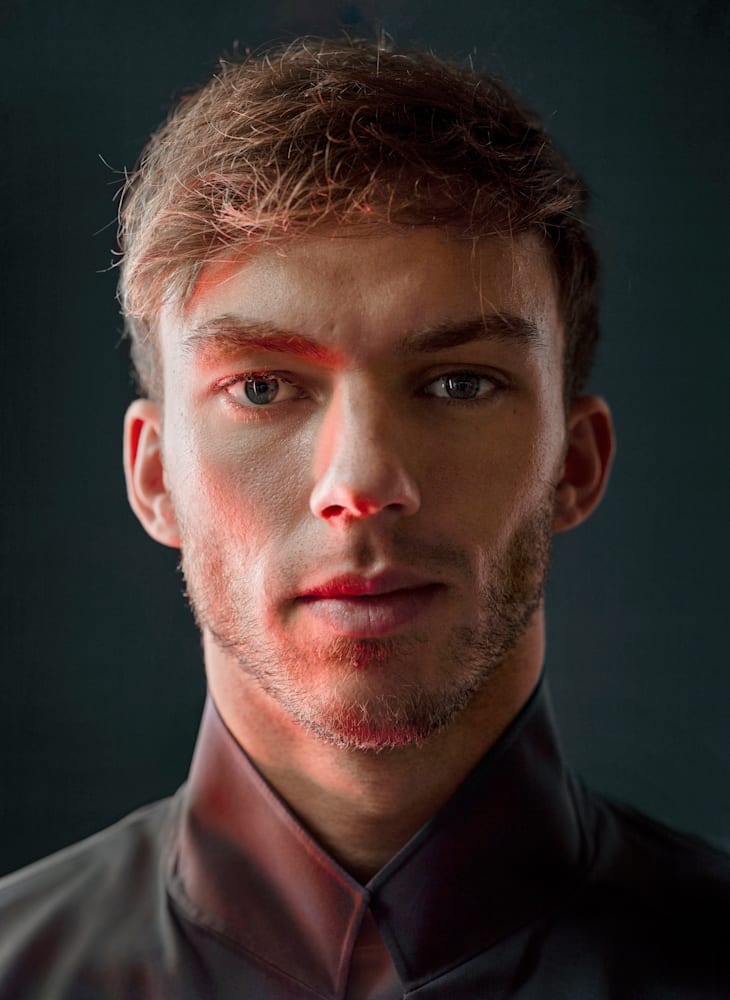
Pierre Gasly put the objection most plainly. Talking to Autocar, the Alpine driver said the combustion-to-battery balance has been pushed past a sensible limit.
"Whenever you get the full power output out of a corner, it's a very unique feeling, something that I'll never get tired of," Gasly said. "Now the whole battery story this year, I'm not going to get into too much detail, because I'm not a big fan myself of all of that."
What bothers him is where the lap time now hides.
"I think it went a bit too far because now we have a lot to manage, actually. You've got to be driving efficiently, which doesn't mean necessarily going as fast as you can through all the corners," he said. "There is some sort of management and understanding of which corners need to be pushed absolutely to one hundred percent or which ones are you actually better off just taking a bit of margin."
He closed with the karting-era principle he says the regulations have overwritten: "From the day I started go-karting at six years old there's been only one rule: when you're behind the wheel you just go as fast as you can through the corners. I think that's the way it should be."
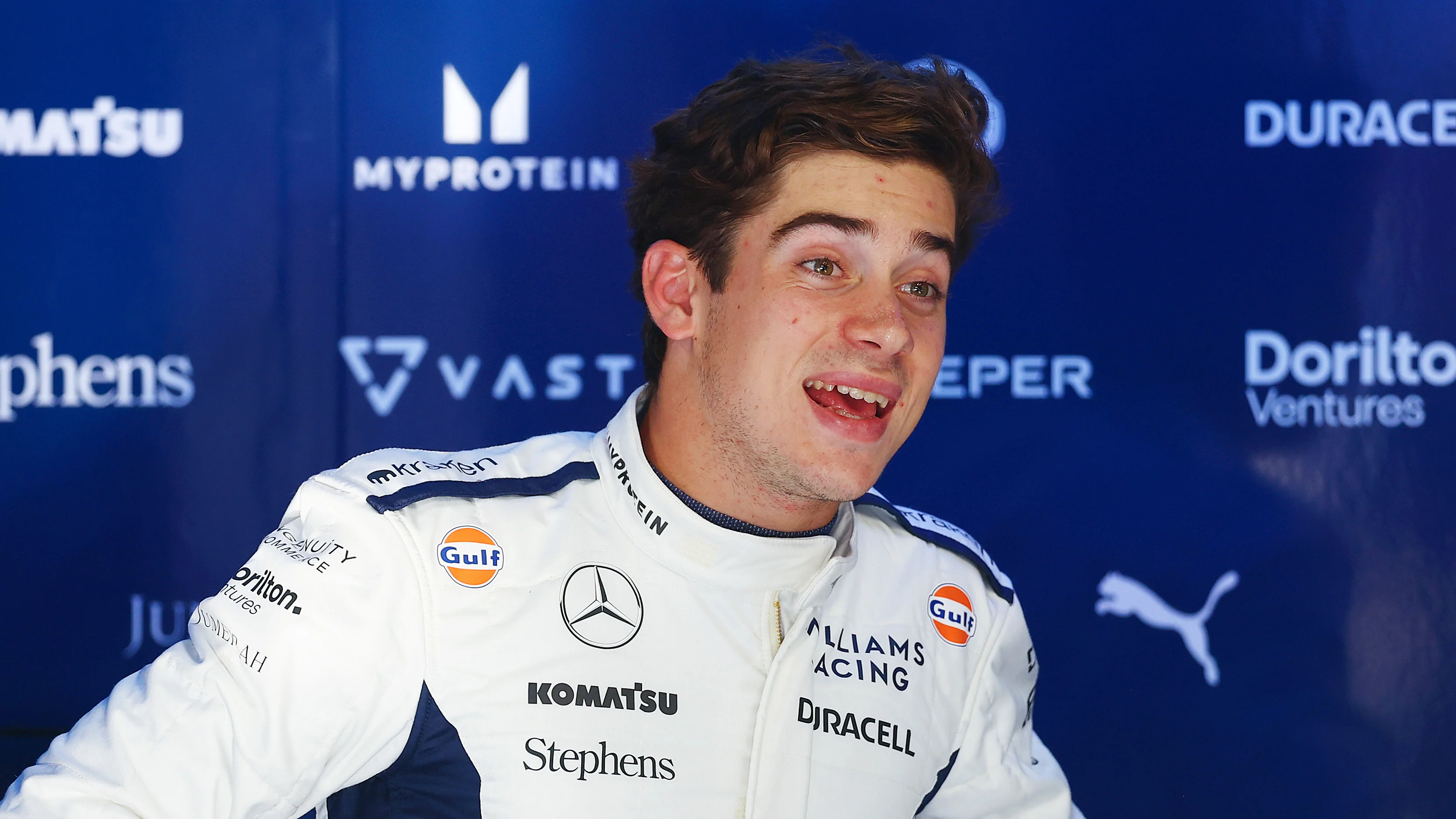
Gabriel Bortoleto, who has far less of the old era to compare against, rejects the framing entirely. The Audi driver told reporters including GPblog that complaining about a lost driving style misunderstands the job.

"I don't think I've changed my way of driving much. In fact, I actually don't like the term 'driving style,' because I don't believe a Formula 1 driver should be saying something like that," Bortoleto said. "We have to be able to adapt, even if it might not feel natural. We have to be capable of handling every type of car and driving the car the way it demands."
He described the practical adjustment as a trade rather than a loss: "You know you can attack the entry of a corner a bit harder and worry less about the exit, since no energy is being deployed there anyway."
Max Verstappen, hardly a defender of the current formula, agreed with Bortoleto's logic while making clear he still dislikes the result. Presented with the Brazilian's comments, he said: "Who said that? Yes, he's right. Your driving style must always adapt to what's fastest. I could say: 'This is my driving style and this is how I drive the car', but I can tell you that at Spa you'd lose half a second."
His summary of the season was blunter: "That shows how strange things are at the moment. Welcome to Formula 1 in 2026: sometimes it's like a jungle."
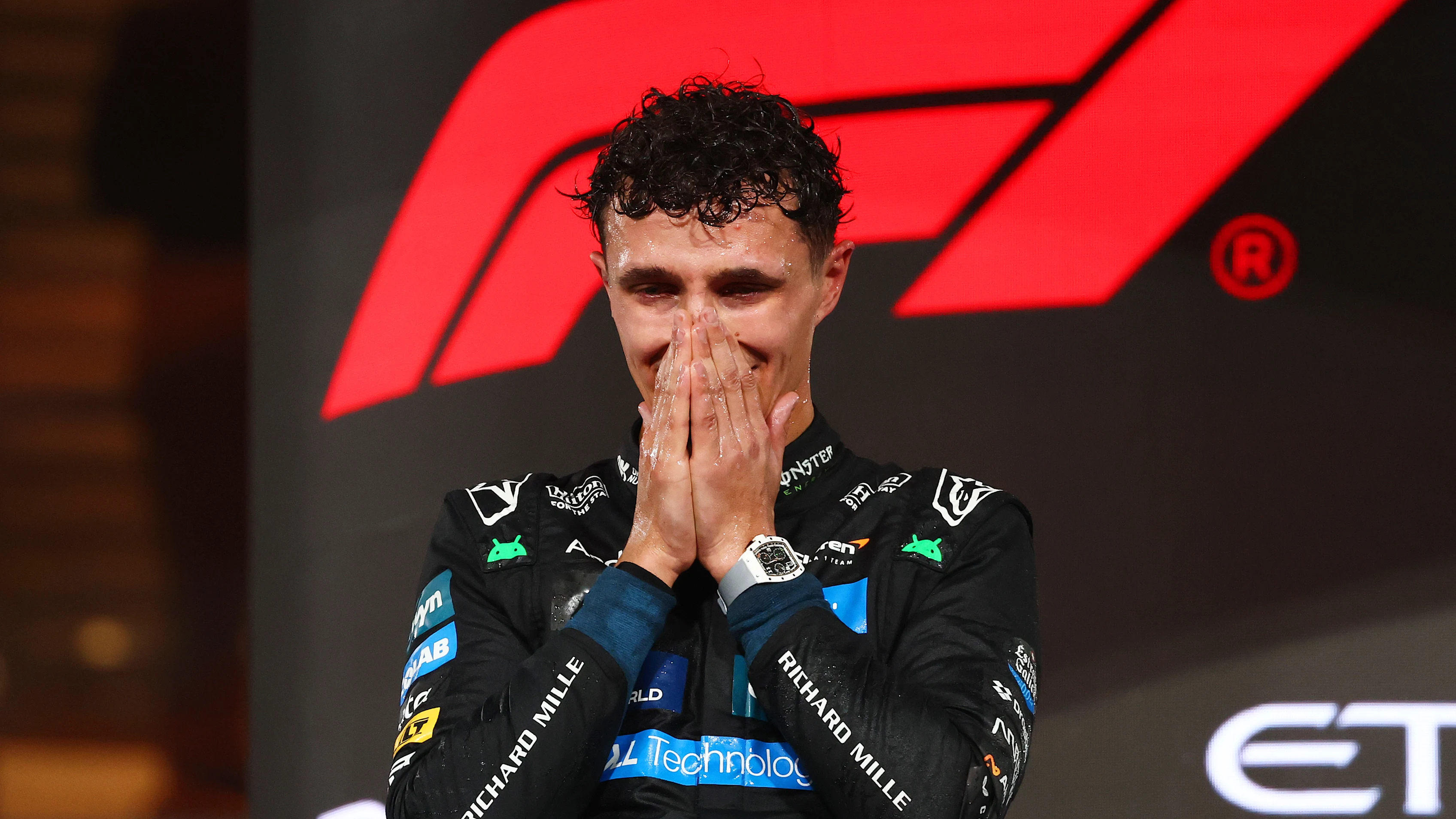
Andrea Stella accepts the scale of the upheaval but treats it as something his drivers have handled rather than something done to them. Reviewing the first half of the year with McLaren, the team principal said the effect of the rules on Lando Norris, Oscar Piastri "and indeed for their twenty colleagues on the F1 grid" had "been nothing short of disruptive."
"The new generation of single-seaters requires not only an adaptation of driving style but, above all, much greater focus on understanding how to exploit the full potential offered by the new power units," Stella said. He noted the learning process "has at times proved complicated and was slowed down, particularly in the early stages, by various reliability issues."
Stefano Domenicali's patience is thinner. Formula 1's CEO told Motorsport.com that nobody is being gagged, but he wants the criticism redirected.
"You know me, we are not here to put the tape on the mouth of anyone. I mean, the beauty of our sport is that everyone can have an opinion, but the opinion is an opinion," he said. "I think that in the process we have highlighted the need to be constructive in that respect. I prefer to discuss things between four walls to find solutions."
At a media roundtable attended by GPblog, he argued that the complaints are confined to the paddock.
"There's been some, I would say, debate on the technical regulations, mainly from the inner world, some drivers, some people that are part of our ecosystem. But in a nutshell, the championship is becoming very, very fascinating," Domenicali said. "They don't understand our technology or clipping, chipping or whatever it is, because it's too technical for the wider base that we have."
Four positions, one season. Gasly mourns a technique; Bortoleto says technique was always negotiable; Stella marks the adaptation rather than the rules; Domenicali points at the attendance figures. Zandvoort on 23 August restarts the argument with results attached.