
Formula 1 stands on the brink of its most significant transformation in over a decade, as sweeping regulatory changes set to take effect in 2026 promise to fundamentally reshape everything from car design to race strategy execution.
The upcoming regulations represent far more than incremental adjustments—they constitute a complete reimagining of modern Formula 1 racing. Cars will become smaller and lighter, while power units will achieve an unprecedented balance, splitting their performance equally between traditional combustion engines and electric power systems.
This dramatic shift marks a decisive departure from the hybrid era that began in 2014, raising critical questions about what factors will ultimately determine success in this transformed competitive landscape. Will aerodynamic innovation, engine manufacturer strength, or pure driver skill emerge as the defining element?
**Aerodynamic Revolution Takes Center Stage**
Championship Implications

Championship Implications
Championship Implications
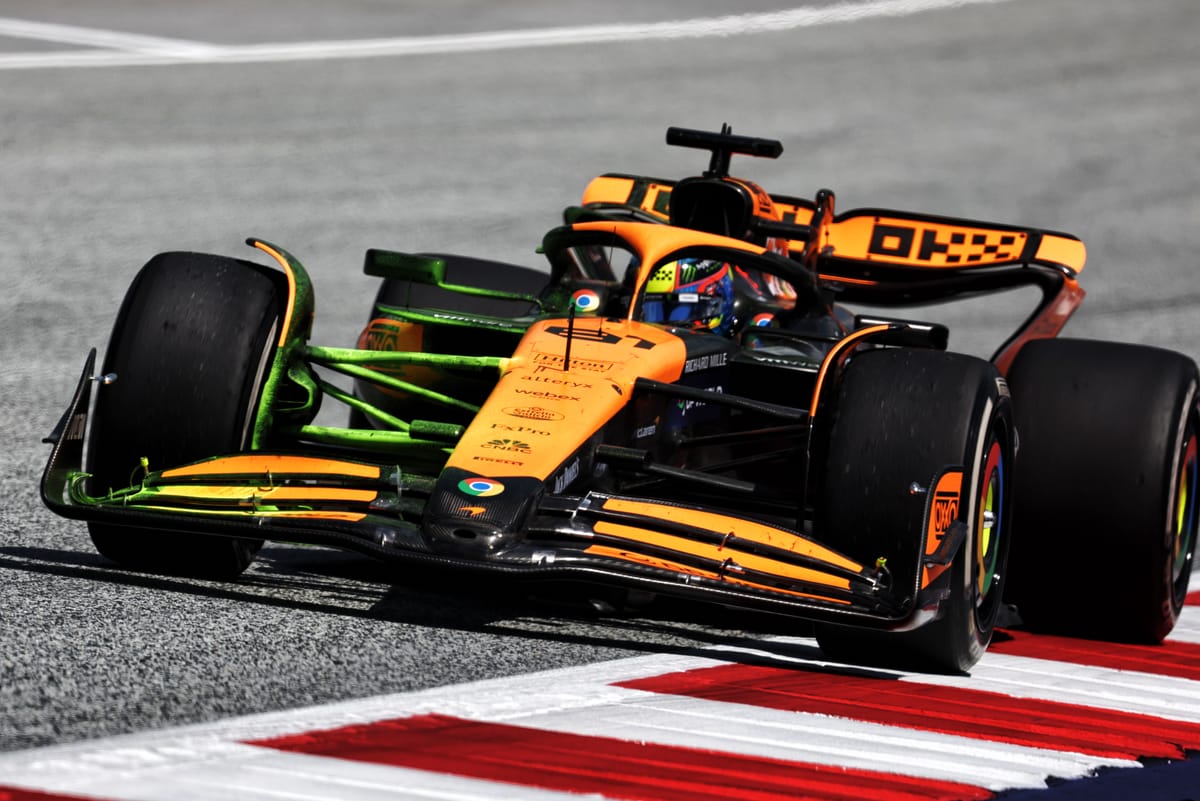
Aerodynamics have dominated recent Formula 1 competition, with Red Bull's Adrian Newey demonstrating the supreme importance of design excellence through the team's remarkable success—capturing five of the last six championships. However, the 2026 regulations will fundamentally alter this dynamic, shifting focus from pure downforce maximization toward enhanced on-track maneuverability.
"The 2026 aero regulations signify a shift toward adaptability and overtaking rather than just peak performance," explained a senior figure in aerodynamic development. This philosophy underpins the introduction of active aerodynamics, featuring specialized modes tailored for different racing conditions—a innovation that will completely redefine driver-vehicle interaction.
"The 2026 aero regulations signify a shift toward adaptability and overtaking rather than just peak performance,"
The new system introduces two distinct operational modes: X-mode will optimize for minimal drag during straight-line sections, while Z-mode will deliver maximum downforce through corners. This creates an entirely new tactical dimension requiring sophisticated strategic thinking both in car setup and real-time race execution.
Race Results
The engineering implications are substantial, with regulations mandating a 30% reduction in downforce generation and a dramatic 55% cut in drag coefficients. These changes ensure teams can no longer rely simply on overpowering rivals through superior aerodynamic grip.
Impact and Legacy
"It's about mastering dynamic setups and optimizing aerodynamic modes during racing conditions, rather than merely increasing grip," noted an aerodynamicist familiar with the new regulations. This shift could significantly benefit teams like Aston Martin, particularly given Newey's recent influence on their development programs.
"It's about mastering dynamic setups and optimizing aerodynamic modes during racing conditions, rather than merely increasing grip,"
Conversely, current aerodynamic leaders like Red Bull may face initial challenges maintaining their competitive advantages while simultaneously navigating significant organizational changes within their technical departments.
**Power Unit Philosophy Undergoes Complete Transformation**
Parallel to the aerodynamic revolution, Formula 1's engine regulations will implement equally dramatic modifications to power unit philosophy. The 2026 specifications will deliver truly balanced power outputs between internal combustion engines and hybrid electrical systems—each contributing roughly equal performance levels.
"For the first time, we will see a genuine 50/50 split, with the V6 turbo producing around 536bhp and an upgraded MGU-K delivering another 470bhp," explained a leading engineer specializing in power unit development. This fundamental alteration suggests that effective energy deployment management will become absolutely critical for maintaining competitive performance.
"For the first time, we will see a genuine 50/50 split, with the V6 turbo producing around 536bhp and an upgraded MGU-K delivering another 470bhp,"
Race Results
The enhanced electrical component output, significantly increased from current hybrid systems, means every lap will demand skillful blending of fuel and electric propulsion for optimal results. Drivers must master this complex energy management while maintaining peak racing performance—a challenge requiring both technical understanding and intuitive feel.
The simultaneous transition to 100% sustainable fuels adds another complex strategic layer for engine manufacturers. This environmental consideration, while important for the sport's long-term sustainability goals, introduces additional variables that teams must incorporate into their development programs.
"These changes are not just about horsepower; they will fundamentally redefine race strategies as teams must adapt to completely new energy management tactics," emphasized a motorsport technology analyst with extensive industry experience.
"These changes are not just about horsepower; they will fundamentally redefine race strategies as teams must adapt to completely new energy management tactics,"
**Competitive Landscape Faces Complete Reset**
The convergence of these aerodynamic and power unit changes creates unprecedented opportunities for competitive reshuffling. Teams that have struggled under current regulations may find new pathways to success, while dominant forces face the challenge of adapting their proven methodologies to entirely different technical requirements.
The emphasis on adaptability and strategic thinking over pure engineering dominance could level the competitive playing field significantly. Success will likely depend on which organizations most effectively integrate these complex new systems while developing operational strategies that maximize their potential.
As Formula 1 approaches this pivotal 2026 transformation, the integration of revolutionary aerodynamic and engine regulations promises to reward adaptability and skill above all else. The fundamental question facing the sport—whether aerodynamic innovation, engineering excellence, or driver ability will prove most decisive—remains tantalizingly unanswered.
What seems certain is that this blend of technological innovation and intensified competition will create a dramatically different Formula 1 landscape, one that could bring teams closer together while rewarding those who best master these complex new challenges.