
No team in Formula 1's leading group has gone eleven rounds without a win in 2026 except Red Bull. Fourth in the constructors' standings on 177 points, the Milton Keynes squad did at least close the first half strongly - two second places and a third for Max Verstappen between Austria and Hungary, with a Silverstone retirement costing a likely fourth podium. Zandvoort will show whether that was a turn or a flattering run of circuits.
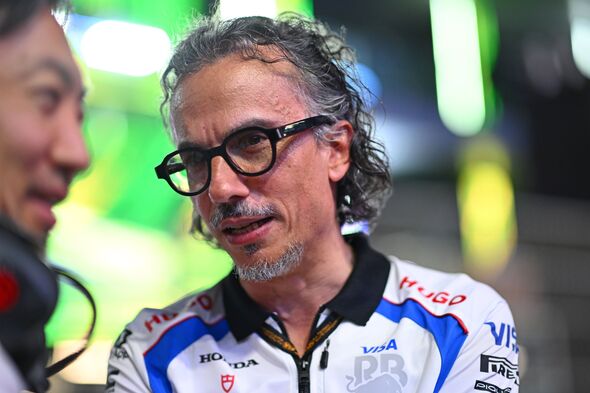
Laurent Mekies, pressed after Hungary on whether the RB22 has a fundamental limitation, rejected the framing.
"At first I'm not really convinced that it is linked to a package or something else," the team principal told media including RacingNews365. "I think we have been struggling to give the drivers a car they could have a good balance with. Nonetheless, because it's Max, because it's Isack, they have very often managed to extract anyway the performance."
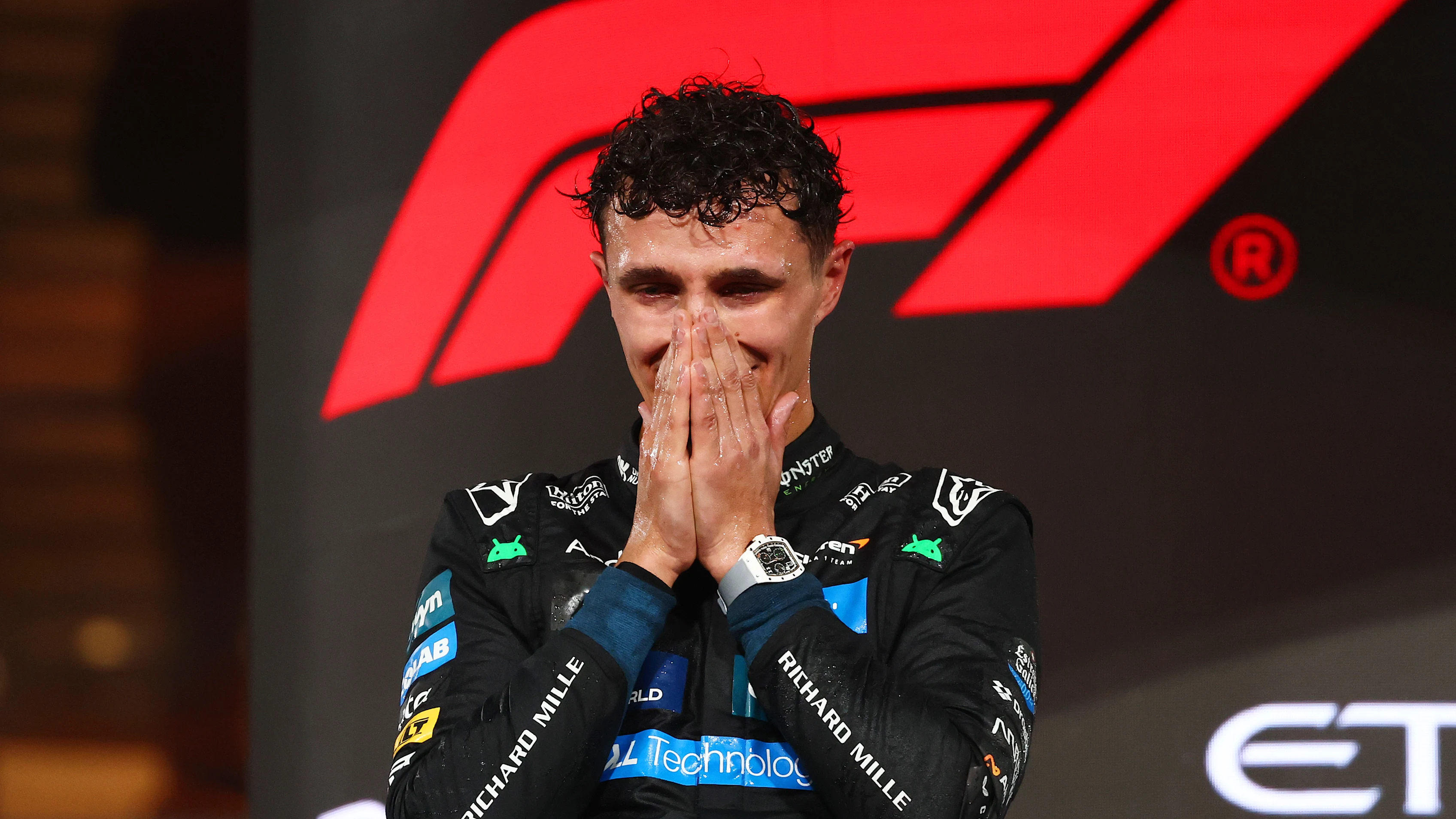
For Mekies, the deficit is in repeatability.
"On the tracks where we have managed to do that, we have seen an improved performance," he said. "It's about consistency of the delivery of the performance, and it's been a topic for us this season, and it's probably where some of the potential improvement is in the second part of the year."
To GPblog, he described a car operating without margin.
"I think our car has been very sensitive to a number of small factors since the first race, and we have suffered a lot in the first part of the season as well," Mekies said. "It's enough that you pick up a bit of damage, let it be on gravel, on the kerbs, you get different wind direction and everything is a little bit on the edge in terms of performance. And not only do you probably pay a price [in terms of] lap time, but also it's fair to say that it removes confidence, the driver."

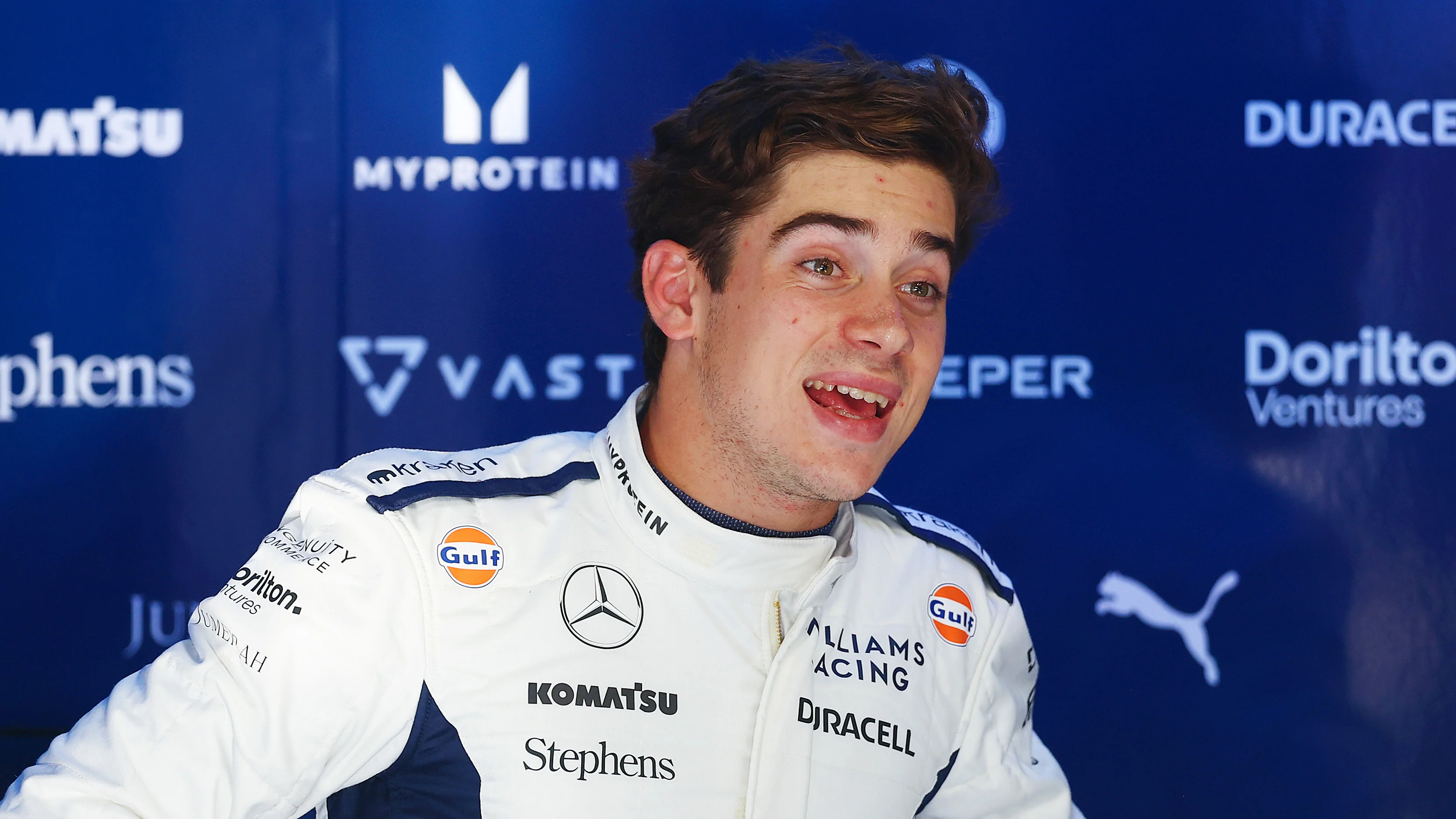
Isack Hadjar does not soften it. Even while accepting that the Austria upgrade package was delivering, he described a car that will not hold a balance.
"It's not a linear grip, it's not nice. So you're constantly guessing the grip," Hadjar said, calling the RB22 completely off balance.
Hungary produced Verstappen's second place and, from the other side of the garage, the same complaint. "Finding a sweet spot and having something driveable for me was not possible the whole weekend," Hadjar said.
Verstappen has been blunt with Dutch media about a team that meets a different problem every weekend, and raised car degradation over the Hungary weekend.
A third reading holds that the RB22 is a symptom. Edd Straw, writing for The Race, argued that Red Bull's real losses are organisational - Adrian Newey, Christian Horner, Jonathan Wheatley, Helmut Marko and Paul Monaghan all gone, along with the way the team used to make decisions. Horner once likened the operation to "a big Formula 3000 team": small enough to move without seeking approval.
Straw's point is not that Mekies is the lesser operator, but that he works with far less autonomy than Horner enjoyed under Dietrich Mateschitz, and that a sharper political outfit would not have come off as badly as Red Bull did in the ADUO process.
The detail that stings most is mundane. Red Bull, for years the benchmark on pit stops, is fourth in the DHL standings on 134 points - behind Racing Bulls on 177. The junior team also owns three of the season's five fastest in-race stops; the quickest Red Bull turnaround ranks eighth.
None of these explanations cancels the others out, which is the difficulty. A car that reacts badly to kerbs and wind, drivers guessing at grip through corners, and a management structure with less freedom than it once had all feed the same result. Mekies believes the pace exists and needs only to be delivered more reliably. Zandvoort, with its banking and its demand for a settled rear end, will answer that fast.