
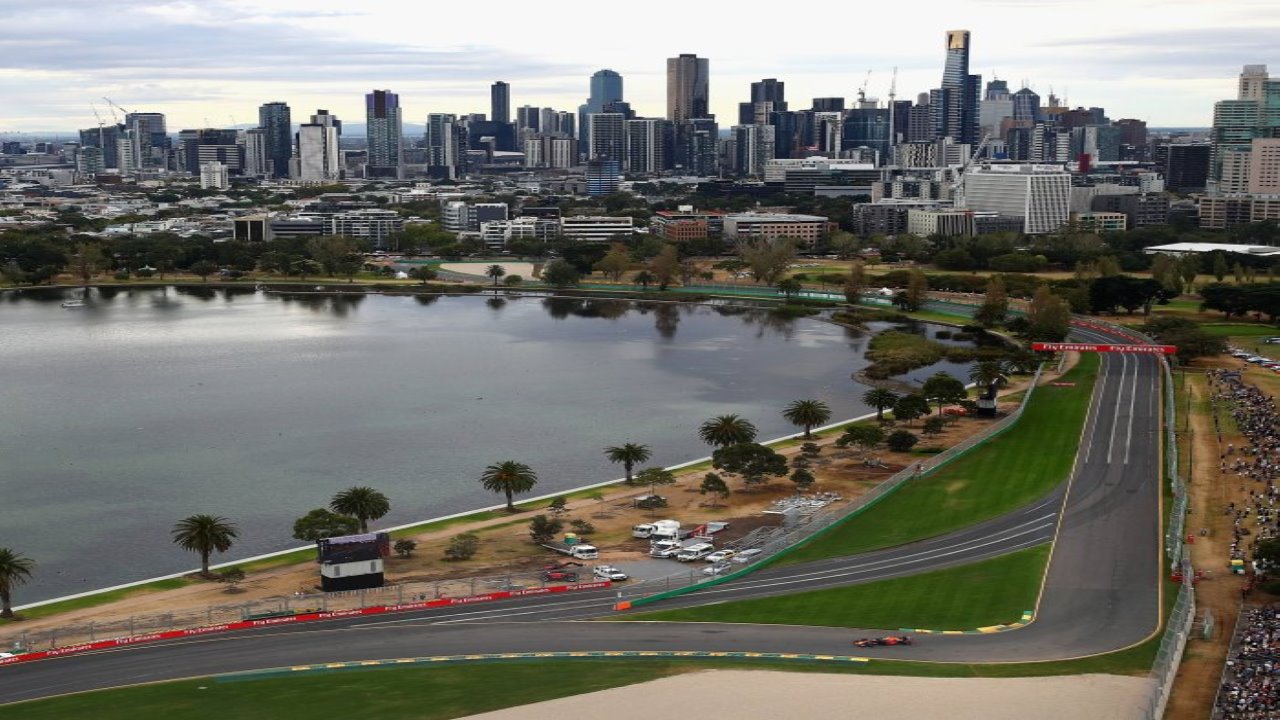
Albert Park Circuit
Located within Melbourne's inner-city Albert Park precinct, this temporary street circuit has become synonymous with the opening of Formula 1's championship season since the mid-1990s. Built around Albert Park Lake and utilizing existing public roads, the venue transforms from a quiet recreational area into one of motorsport's most recognizable settings each March, hosting the Australian Grand Prix in front of capacity crowds of 125,000 spectators. The circuit's origins trace back to Melbourne's successful bid to host the Australian Grand Prix, wrestling the event away from Adelaide in a move that sparked considerable controversy within Australia's motorsport community. The decision to create a temporary circuit within Albert Park represented a bold vision, utilizing the area's natural beauty while maintaining its function as public parkland for the remainder of the year. This dual-purpose approach has become the circuit's defining characteristic, with roads that serve everyday traffic transformed into high-speed racing tarmac through temporary modifications. Measuring approximately 5.3 kilometers in length, the Albert Park Circuit features a unique blend of high-speed sections, technical corners, and limited overtaking opportunities that create a distinctive challenge for drivers. The lap begins with a fast approach to Turn 1, a right-hand corner that has witnessed numerous first-lap incidents over the years as drivers jostle for position in the season opener. The circuit then flows through a series of medium-speed corners before reaching the back section, which runs along Lakeside Drive with Albert Park Lake providing a picturesque backdrop. Turn 3 stands out as one of the circuit's most challenging corners, a fast right-hander that demands precision and commitment from drivers. The subsequent sequence through Turns 4 and 5 creates a flowing section where cars can maintain good speed, though overtaking opportunities remain limited. The circuit's middle sector features several 90-degree corners that test drivers' ability to maximize grip from their tires while managing the demands of street circuit racing. Perhaps the most distinctive section comes at Turn 11 and 12, a chicane-like sequence that has been modified multiple times since the circuit's inception to improve racing and safety. This area has produced memorable moments and occasional controversy, with drivers often finding the limits of track boundaries. The final sector includes the challenging Turn 13, a corner that can make or break qualifying laps, before drivers navigate the last few turns leading onto the main straight past the packed grandstands. The circuit's surface characteristics reflect its temporary nature, with the track typically offering limited grip during early practice sessions as rubber gradually builds up on roads that see regular street traffic throughout the year. This creates an evolving track surface throughout the weekend, often leading to significant improvements in lap times as more rubber is laid down. The relatively smooth surface, combined with the circuit's flowing nature, generally produces close racing, though overtaking opportunities remain at a premium due to the narrow width of many sections. Several corners have gained particular notoriety over the years. The approach to Turn 1 consistently provides drama as drivers attempt bold overtaking moves at the race start or following safety car restarts. Turn 6, a tight right-hander, has claimed numerous victims over the years, while the high-speed nature of Turns 9 and 10 demands absolute precision as drivers navigate close to the barriers that line the track. The venue has witnessed numerous memorable moments that have shaped Formula 1 history. The circuit has seen everything from stunning upset victories to championship-defining incidents, with its season-opening status adding extra significance to every race result. Multiple world champions have claimed their first victories here, while others have seen their title hopes damaged in the Melbourne sunshine. Beyond its racing characteristics, Albert Park Circuit's integration within the city of Melbourne creates a unique atmosphere. The circuit's location allows for stunning views across the lake and city skyline, while the surrounding parkland provides space for extensive fan facilities and entertainment areas. This urban setting, combined with Melbourne's reputation for sports enthusiasm, generates an electric atmosphere that drivers and teams consistently praise. The temporary nature of the facility requires extensive setup and breakdown operations each year, with barriers, grandstands, and racing infrastructure erected specifically for the event before being removed to restore the area's public use. This process represents a significant logistical undertaking but allows the circuit to maintain its dual identity as both a world-class racing venue and public recreational space. In recent years, the circuit has undergone various modifications aimed at improving racing quality and safety standards. These changes reflect Formula 1's evolving technical regulations and the ongoing effort to enhance the spectacle for fans while maintaining the essential character that makes Albert Park unique among the sport's venues. Today, Albert Park Circuit continues its role as Formula 1's traditional season opener, setting the tone for each championship campaign. Its combination of natural beauty, urban sophistication, and racing challenge ensures its position as one of the most photographed and recognizable circuits in motorsport. The venue's ability to deliver exciting racing while showcasing Melbourne to a global television audience of hundreds of millions maintains its value to both Formula 1 and the host city, securing its place on the championship calendar for years to come.