
Autódromo Hermanos Rodríguez
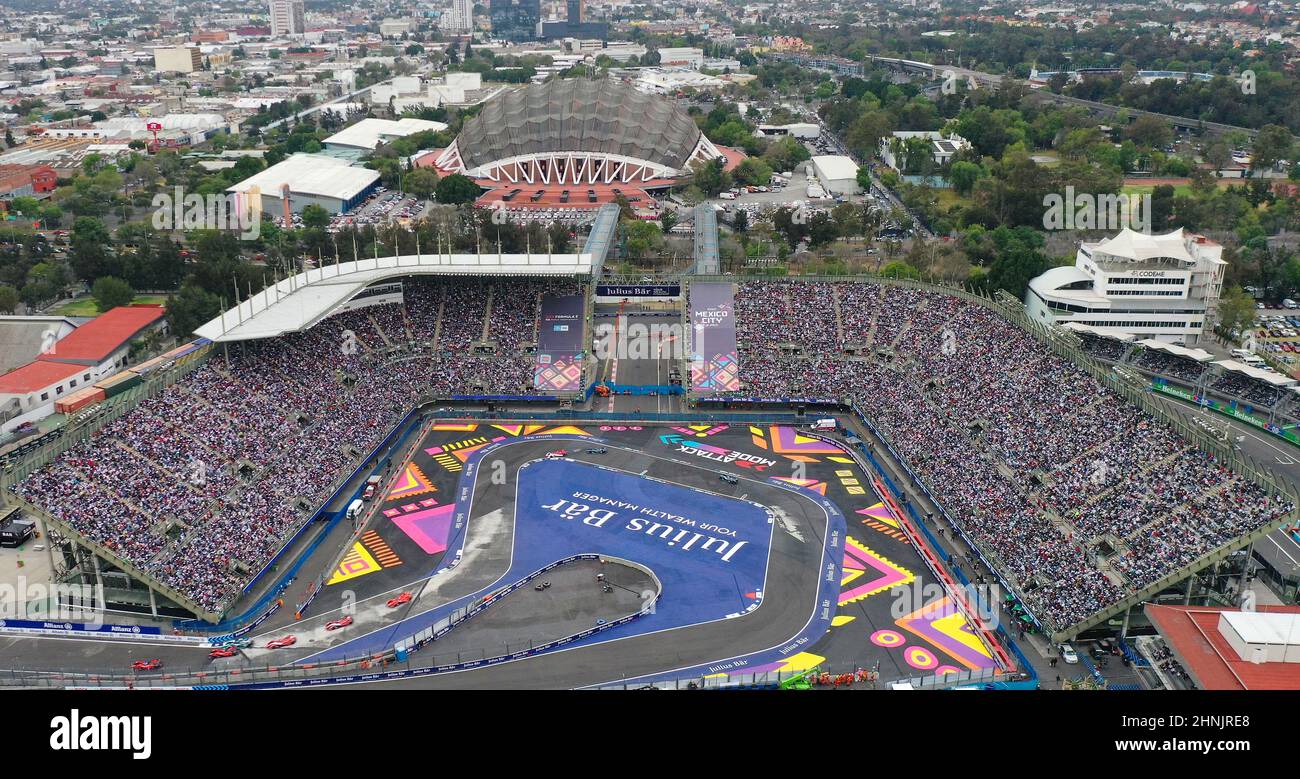
Nestled in the vibrant heart of Mexico City, one of Formula 1's most atmospheric and historically significant venues continues to captivate drivers and spectators alike with its unique blend of challenging racing characteristics and passionate Mexican motorsport culture. The Autódromo Hermanos Rodríguez stands as a testament to the enduring appeal of Formula 1 racing in Latin America, offering a distinctive racing experience that combines technical demands with an electric atmosphere. The circuit's name honors the Rodriguez brothers, Ricardo and Pedro, two pioneering Mexican racing drivers who helped establish their nation's presence in international motorsport during the 1960s. Their legacy lives on through this remarkable facility, which has become synonymous with some of the most memorable moments in Formula 1 history. The track's location in Mexico City places it at one of the highest altitudes of any permanent Formula 1 venue, creating unique challenges for both drivers and teams as they contend with the effects of reduced air density on engine performance and aerodynamics. Measuring 4.304 kilometers in length, the circuit demands 71 laps to complete a full Grand Prix distance, creating a race that tests both machine reliability and driver endurance. The track's layout presents a fascinating mix of high-speed sections and technical corners that reward precision and bravery in equal measure. The most iconic section remains the challenging Peraltada corner, a sweeping banked turn that has become legendary among drivers for its unique characteristics and the commitment required to navigate it at racing speeds. The circuit's design incorporates several elevation changes that add to its technical complexity, with drivers constantly adjusting their approach as the track rises and falls throughout its length. These undulations not only challenge the drivers but also provide excellent viewing opportunities for spectators, who can often see multiple sections of the track from a single vantage point. The surface characteristics have evolved over the years, with modern resurfacing efforts ensuring consistent grip levels while maintaining the track's fundamental character. From an overtaking perspective, the Autódromo Hermanos Rodríguez offers several opportunities for drivers to make moves on their competitors. The long main straight provides excellent slipstreaming opportunities, while the heavy braking zones into the first corner and other key sections of the track create natural overtaking points. The stadium section, where the track winds through a purpose-built arena-like environment, creates some of the most spectacular close-quarters racing action, with fans able to witness wheel-to-wheel battles from remarkably close proximity. The current lap record of 1:17.774, set by Valtteri Bottas, demonstrates the incredible speeds achievable around this challenging circuit. This benchmark represents the culmination of decades of technical development in Formula 1, showcasing how modern cars can exploit every aspect of the track's design to achieve remarkable lap times despite the challenges posed by the high altitude and technical layout. What truly sets this venue apart is its incredible atmosphere and the passion of Mexican motorsport fans. With a capacity of 110,000 spectators, the circuit can accommodate one of the largest crowds on the Formula 1 calendar, creating an electric atmosphere that drivers frequently cite as among the most inspiring in the sport. The Mexican fans' enthusiasm for motorsport, combined with their deep appreciation for racing history and their national heroes, generates an energy that is palpable throughout race weekends. The circuit's unique characteristics extend beyond its physical layout to include the challenges posed by Mexico City's altitude, which sits approximately 2,200 meters above sea level. This elevation significantly affects engine performance, with power units producing less power due to the thinner air, while also impacting aerodynamic efficiency. Teams must carefully calibrate their setups to account for these conditions, often running different wing configurations and engine mappings compared to sea-level circuits. The track's infrastructure has undergone significant modernization in recent years, with improvements to safety systems, spectator facilities, and broadcast capabilities ensuring it meets the highest standards required for contemporary Formula 1 racing. The paddock and pit lane facilities provide teams with the necessary resources to operate at the pinnacle of motorsport, while the media center and other support facilities ensure comprehensive coverage of events. Beyond Formula 1, the Autódromo Hermanos Rodríguez hosts various other motorsport events throughout the year, including domestic racing series, international touring car competitions, and motorcycle racing events. This diverse programming helps maintain the circuit's position as the premier motorsport facility in Mexico and Latin America, while also providing opportunities for local drivers to compete on the same track as their Formula 1 heroes. The venue's significance extends beyond pure motorsport, serving as a cultural landmark that celebrates Mexico's rich automotive heritage and its contributions to international racing. The circuit museum and various displays throughout the facility help educate visitors about the history of Mexican motorsport and the achievements of drivers like the Rodriguez brothers, ensuring their legacy continues to inspire future generations. Today, the Autódromo Hermanos Rodríguez remains one of Formula 1's most beloved venues, combining technical challenges, passionate fans, and unique atmospheric conditions to create a racing experience unlike any other on the calendar. Its continued presence in Formula 1 ensures that the spirit of Mexican motorsport remains vibrantly alive at the sport's highest level.