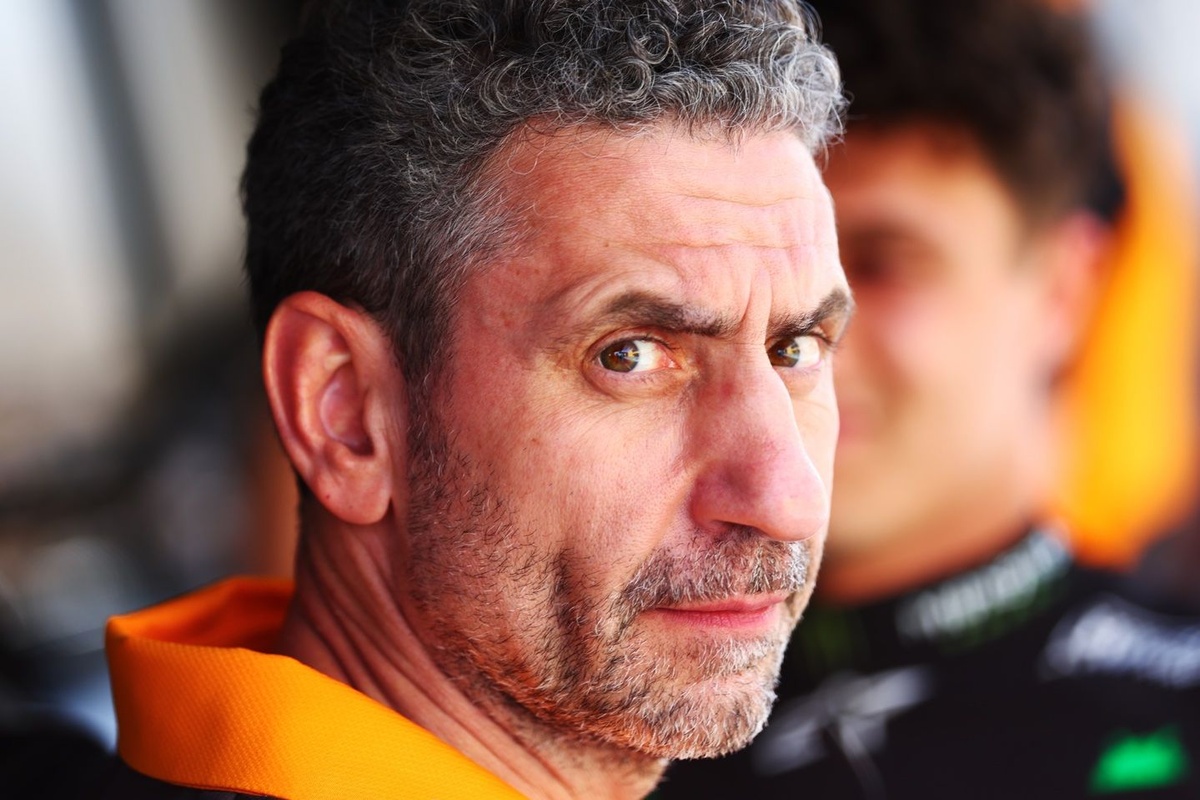
Andrea Stella's public pitch on the 2026 Formula 1 regulations has been shifting in register over the last two weeks. The McLaren team principal began the season making safety arguments — that the speed differentials produced by cars in boost versus energy-save modes were dangerous. In recent media appearances, his case has grown broader and more philosophical.
Strip away the specific policy gripes and the argument is this. The current rule set, Stella believes, is punishing the drivers who try to drive — meaning the drivers who attempt to exploit every ounce of grip their tyres and aero produce. The DailyFuelUp YouTube channel's analysis characterised it as a call to return to what it described as "the DNA of F1 driving."
DailyFuelUp's own take on what that DNA has been replaced by was blunt.
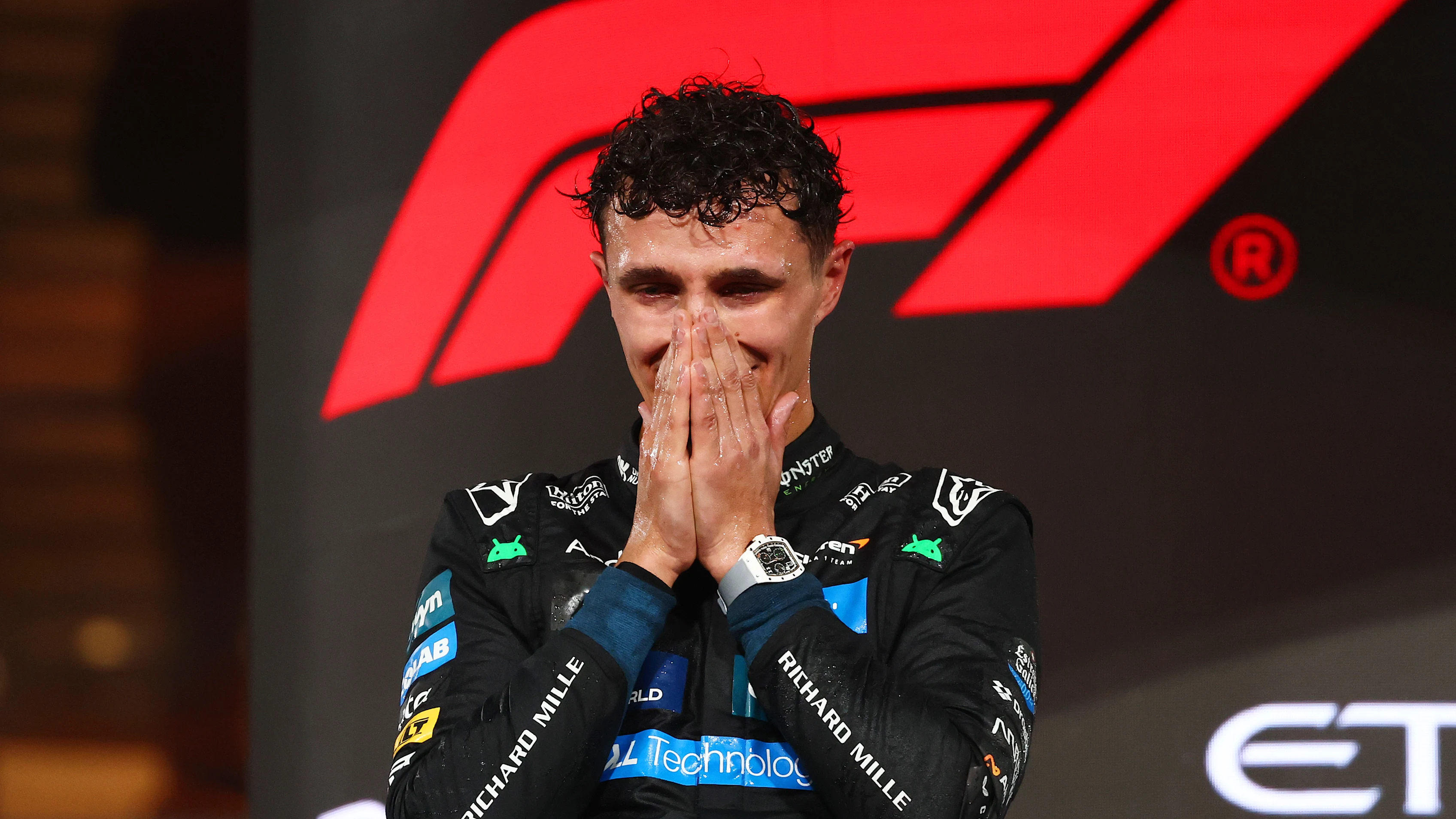
"We are now witnessing an artificially manufactured racing spectacle where the energy regime is the absolute king," the DailyFuelUp narrator argued. "Welcome to the era of the yo-yo effect, coined by George Russell."
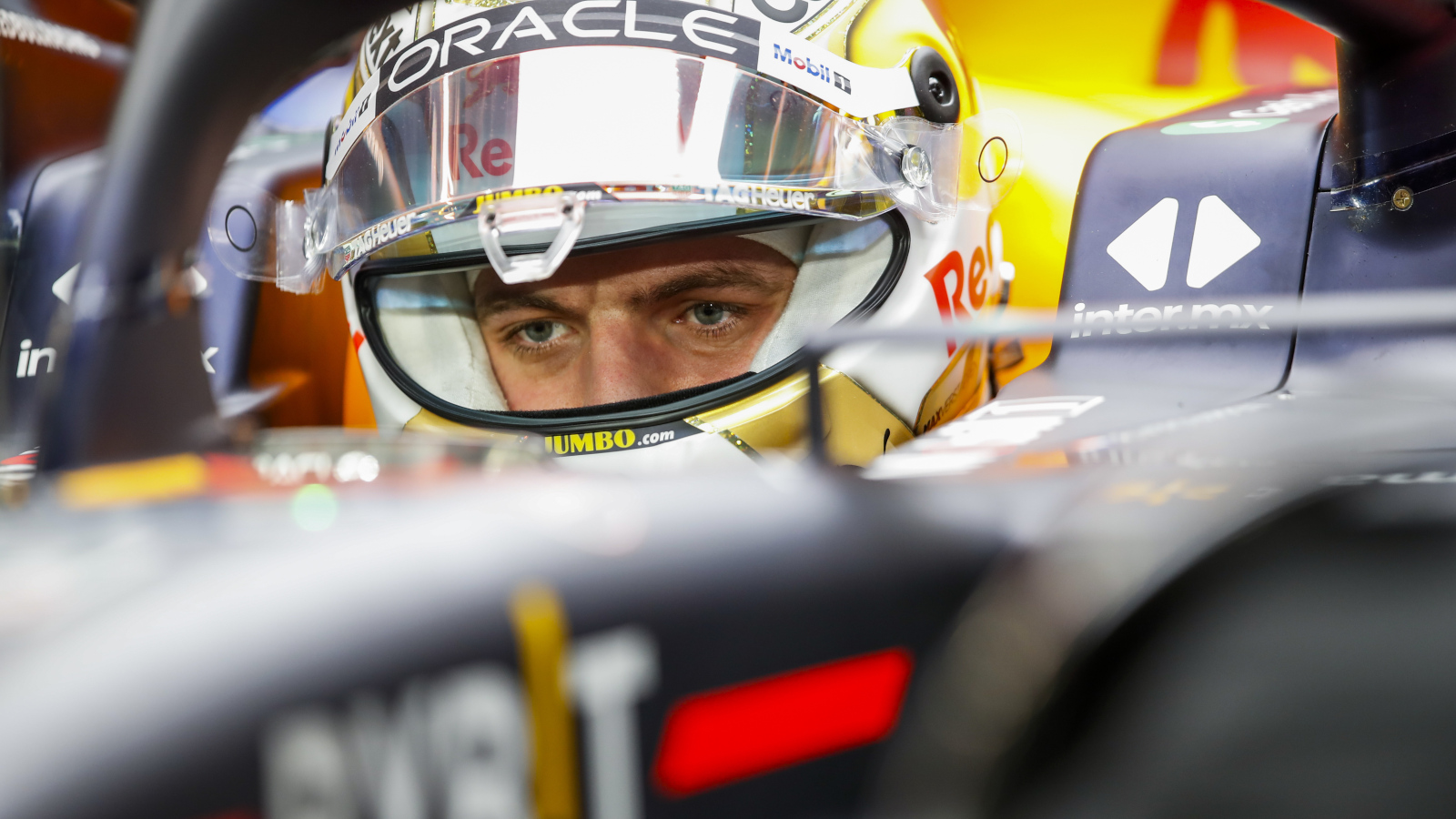
Stella's intervention has not arrived in a vacuum. Max Verstappen flagged his concerns about the 2026 regulations as far back as 2023 — and has pointed to simulator data this year to argue he was right.
"I've been talking about that as well with the team, and I've seen the data," Verstappen said. "Already on the simulator as well, it to me it looks pretty terrible. I mean, if you go flat out on the straight for — I don't know what it is — four or five hundred metres before the corner, it's a nightmare."
Not everyone in the paddock shares Stella's worry. Laurent Mekies, team principal at Red Bull, has offered a more patient reading of the situation, suggesting that drivers and engineers will work the yo-yo effect out of the races within the opening rounds and that overtakes will start to stick. DailyFuelUp's analysis is noticeably less confident.

Leaving the rules unchanged, the channel warned, would produce "highly cautious, stagnant races with state-of-charge trains — where computers do the overtaking instead of drivers."
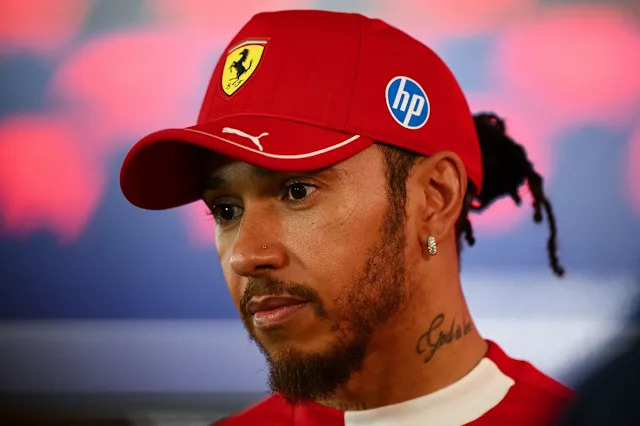
Lewis Hamilton has emerged as an unlikely voice of balance. Now driving for Ferrari and benefiting visibly from a car that appears better suited to his instincts than the final Mercedes iterations of his Silver Arrows era, Hamilton has refused to condemn the 2026 rules outright.
"Cars are a lot of fun to drive," Hamilton said, "and the fact that there are the differences between us and Mercedes make it challenging in the race."
That split — between those who see the 2026 rules as salvageable with targeted tweaks and those who see the underlying philosophy as misguided — is exactly the fault line the FIA has to navigate at its current stakeholder meetings. THE RACE has reported that six specific rule fixes are being discussed, with a view to agreeing a package before the Miami Grand Prix. Stella has been explicit in pushing for any fix to genuinely restore the driver's ability to push the car, not merely to smooth the visible symptoms of yo-yo racing.
His position carries an unusual credibility. McLaren head into Miami as one of the more competitive outfits under the 2026 formula — the team finished the 2025 season as constructors' champions and have translated that into strong race pace under the new rules. Stella is not complaining because his outfit is slow. He is complaining about what the regulations are asking his drivers to do even when they are winning.
That framing is harder for the FIA to wave away than standard team-principal lobbying. The usual corrective in F1 is for regulators to wait until an affected team slides back into the pack before taking their concerns seriously. In this case, Stella is pushing his DNA argument while McLaren are on the front foot — which is precisely the moment his argument carries the most weight.
If the Miami rule package reflects his position, Stella's work will show up in the detail. If it does not, the McLaren boss's philosophical critique of the 2026 era is likely to get louder — and, given the company he has keeping him in the argument from Verstappen to Russell to Leclerc, harder for the FIA to dismiss.