
Gerhard Berger has stepped into the modern Formula 1 paddock from outside it and made an observation most of the people working inside it cannot make out loud. In comments to Austrian media this week, the 10-time grand prix winner argued that today's drivers are now coached on what they are allowed to say in public — and held up Lando Norris and McLaren as his contemporary reference point.
"When I was racing, the driver was free to choose what to say," Berger said. "Nobody stepped in to modify or control his words." He places the inflection point at the moment when manufacturer involvement in F1 scaled up and brand-protection became a more important currency than candour.
"From that moment, drivers were made to understand that certain statements could damage the brand's image," he continued. "Today, it often feels like they are almost told what to say and what to avoid."
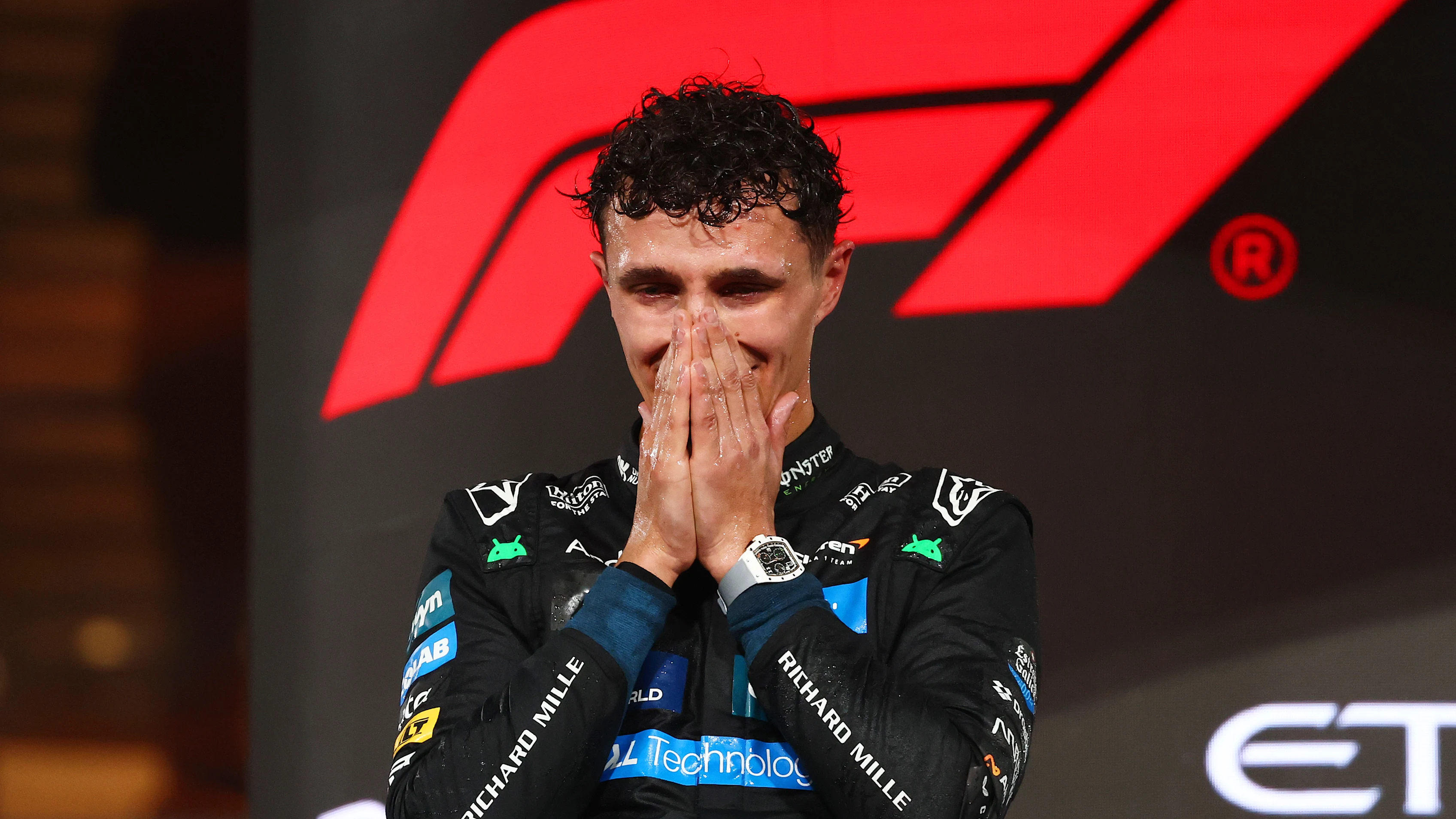
The Norris reference is the part that lands hardest. McLaren have spent 2026 visibly managing the dynamic between Norris and Oscar Piastri with the kind of orchestrated press appearances and tightly framed talking points that have drawn open accusations of "papaya" choreography from rival teams and journalists. Earlier in the year, Norris was reported to have been steered away from publicly discussing battery management at the Japanese Grand Prix — a small, specific example of the exact phenomenon Berger is naming.
That is not, Berger insists, a one-team problem. His underlying argument is structural: F1's commercial model in 2026 now depends on a controlled, brand-safe driver product. Drive to Survive, the new Apple US package, the boom-era US growth — all of it has been monetised by softening the edges off the drivers who supply it. "They are almost told what to say," not banned or silenced. Told.
The counter-evidence is real, if narrow. Max Verstappen still walks out of press sessions when he wants to. Lewis Hamilton still calls his own car terrible without flinching. Verstappen still calls a podcast "terrible" on team radio, mid-grand prix. But each of those examples comes with a contract or a championship total that protects it. For drivers without four titles or a guaranteed seat, the rules have changed.
Berger, 66, has "no plans" to return to F1 in any official capacity and is open about preferring family time to paddock politics. That is precisely why his critique cuts. He is not pitching for a job, not selling a podcast, not auditioning for a stewards' role. He is naming a culture that everyone inside the paddock recognises but very few of them can risk describing in the next interview slot.