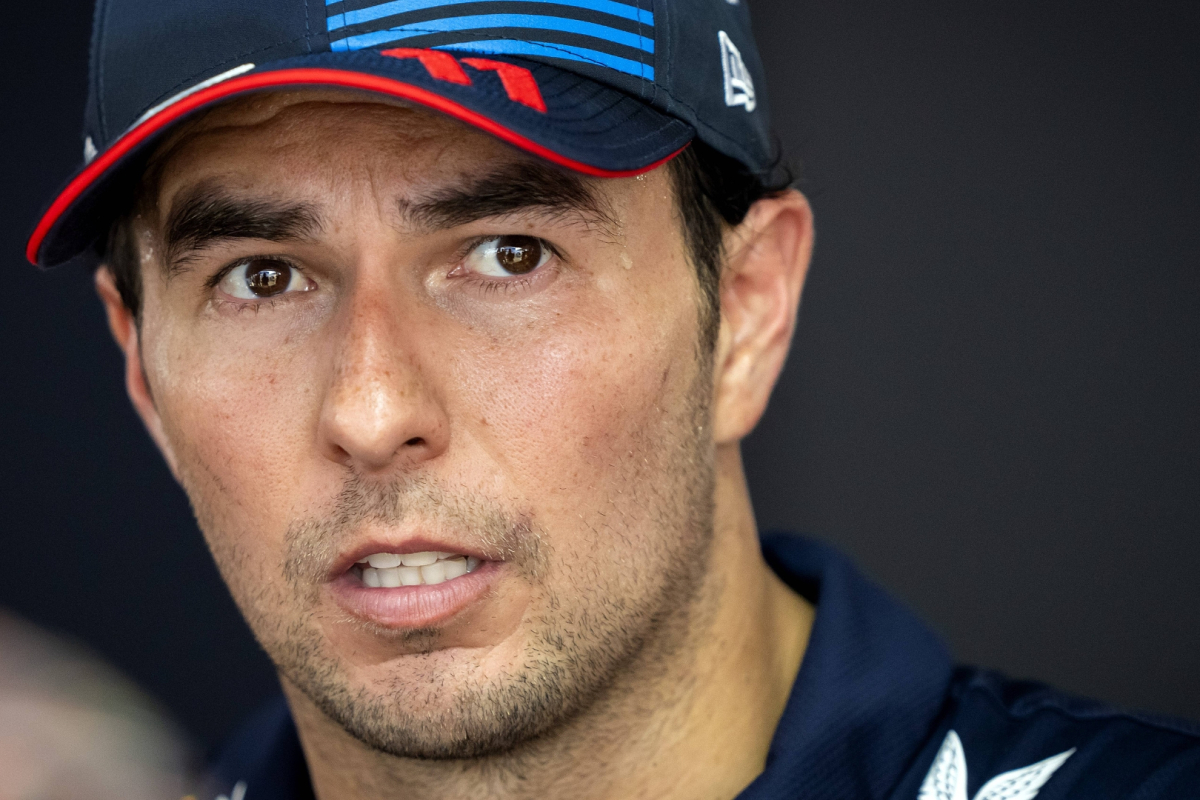
Cadillac F1 have confirmed a deliberately modest Canadian Grand Prix upgrade — new front brake drums, refined diffuser trim and winglets, and a fresh front torsion-bar specification aimed squarely at Circuit Gilles-Villeneuve's punishing kerbs. The American team's spec sheet is a continuation rather than a leap, and the language around it from both team principal Graeme Lowdon and driver Sergio Perez has been kept deliberately measured.
The Canadian package follows a more ambitious Miami upgrade — revised front wing, floor, diffuser and rear suspension — that team principal Graeme Lowdon is still drawing confidence from going into Montreal.
"Miami was a very enjoyable weekend," Lowdon said. "This is really encouraging." Coming from a year-one operation still learning, in technical director Pat Symonds' words, that running two cars is "four times as difficult" as running one, it is not a flat understatement. It is the closest a Cadillac executive has come to claiming the team's development direction is working.
Perez has framed the trajectory in the conditional. "We had improved pace from the start, and we showed our ability to bring major upgrades that delivered on track," he said of Miami. "If we can do this, I believe we'll be closer to the pack in front." The qualifier — "if" — is doing real work in that sentence.
That restraint is the most interesting thing about Cadillac's Canada package. The front brake drums and diffuser tweaks are aimed at efficiency gains the eye does not see. The torsion-bar update is overtly track-specific — the kind of mechanical change you make when you know the kerbs of Turn 13 and the second chicane are going to define your weekend. Nobody is promising a quantum leap. Nobody is promising points.
That is also a strategic signal. Inside a 2026 paddock where most upgrade announcements have come with optimistic lap-time promises that the data later refuses to honour — Ferrari's Miami package being the most visible recent case — Cadillac's careful framing is its own statement. They are not selling Montreal as a breakthrough. They are selling it as the next deliberate step.
Whether the Canadian weekend produces a measurable result or not, the bigger picture for Cadillac in year one is simple. They have identified an upgrade philosophy whose simulation correlates with the stopwatch. They have built a team principal voice that does not overclaim. And they have a driver, in Perez, who has been there long enough to know when to keep his sentences conditional.

For a brand that has marketed itself almost entirely on American ambition, the most American story of their F1 debut may turn out to be the discipline of small, correct steps.