
Sunday's Canadian Grand Prix is, by any of the metrics the F1 paddock normally uses to read a race, an outlier.
Track temperatures are forecast as low as 12 degrees Celsius, with a feels-like figure of around 8 once wind chill is factored in. Steady, light rain is forecast across the entire afternoon — not torrential, not stormy, but consistent enough that the entire grid will start on either intermediate or wet tyres. The 2026 cars, with their new aerodynamics and reworked power units, have barely turned wet laps in anger. Most of the grid has done effectively no rain running in this generation of car at all.
A small handful of drivers do have wet experience. Racing Bulls did dedicated wet weather work at Suzuka pre-season. Alpine's Pierre Gasly completed wet running more recently. Almost nobody else has anything to draw on.
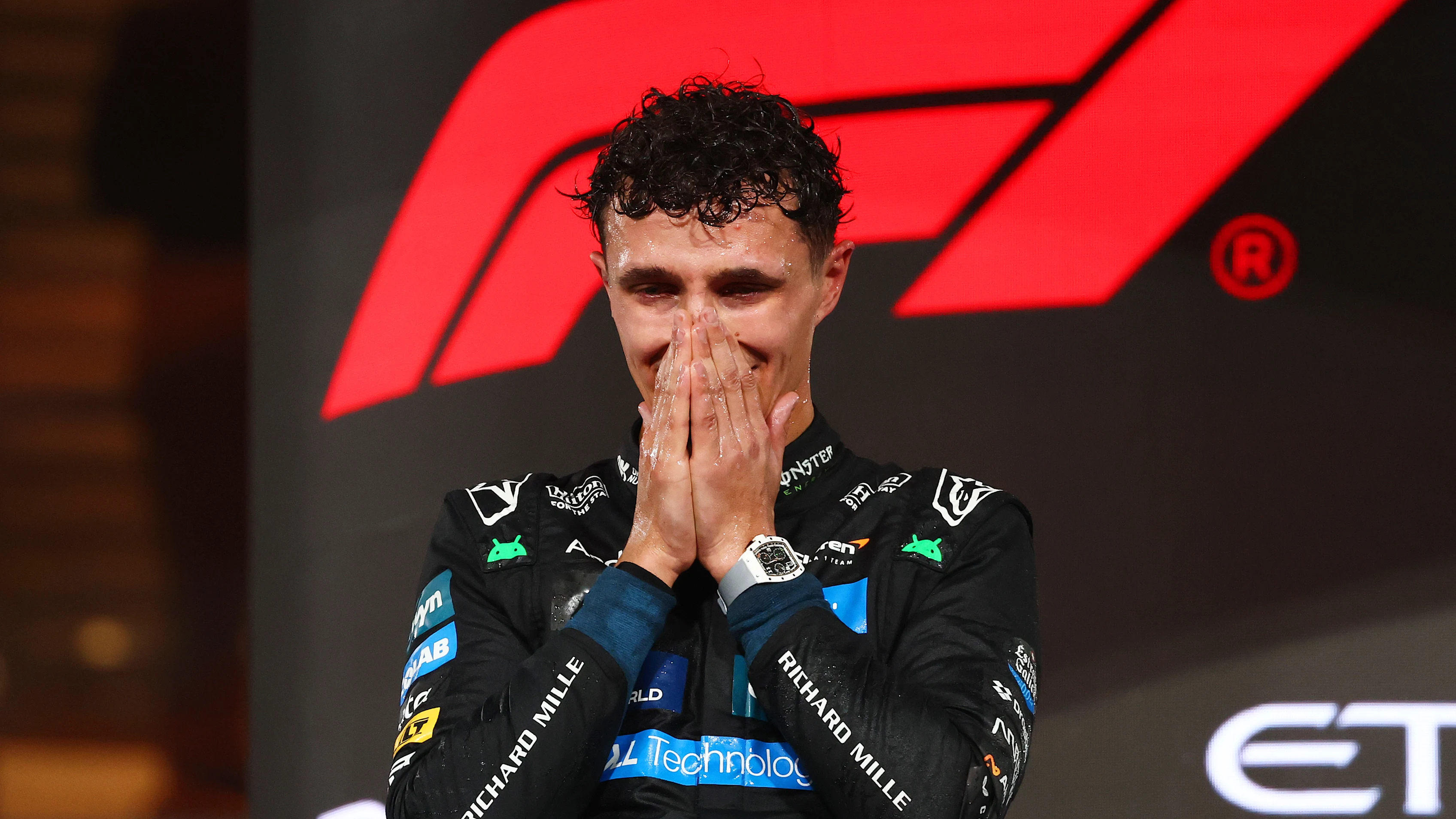
Asked at Thursday's FIA press conference what the rest of the grid was about to learn, Gasly did not soften it.
"You guys are going to be in for a shock," he said.
That blunt line has hung over the entire Montreal weekend.
Oscar Piastri, who qualified P4 for the Grand Prix in his McLaren and will start from the second row, framed Sunday in similar terms. According to Racing News365's post-qualifying analysis, Piastri described the race as a step into "the unknown" — and warned it could turn into "a bit of a lottery into chaos".

The tyre layer of the problem is the one teams have argued about all weekend. Pirelli's 2026 intermediate compound has been flagged by multiple sources as not being suited to the kind of conditions Montreal will throw at it. The rainfall level forecast is firmly in the intermediate's window. Several drivers have already suggested they may reach for the full wet anyway.
"Are the drivers going to have to turn to wet weather tyres when ordinarily for the level of rainfall that will be occurring throughout Sunday, you would use the intermediates?" Racing News365 lead editor Ian Parks said on the channel's post-qualifying debrief.
The 2026 power unit is the second layer.
"How are the power units going to hold up with these conditions?" Parks said. "The drivers really not had any kind of running in the wet."
The increased reliance on electrical deployment in the 2026 regulations is sensitive to low-grip running, to inconsistent throttle application, and to the temperatures the systems get pushed through. Drivers will be lifting more than usual. The cars will be deploying less consistently. There is no rehearsal data to draw on.
The grid order will not save anyone. George Russell starts from pole. Andrea Kimi Antonelli is alongside him. Mercedes have already conceded — Russell said it himself after qualifying — that the W17 was tilted towards a wet setup. That decision should pay off if the rain holds. It hurts them if the track dries.
The one driver who feels like a near-certain factor regardless of how the day plays out: Max Verstappen, sixth on the grid, but with a wet weather record almost no one on the current grid can match.
"If there's one driver you would back to go well in wet weather, it is Max Verstappen," Parks said.
A grid full of drivers learning the conditions in real time, on tyres they have reservations about, in cars they have not driven in the rain. Montreal has set itself up to be 2026's wildcard race.