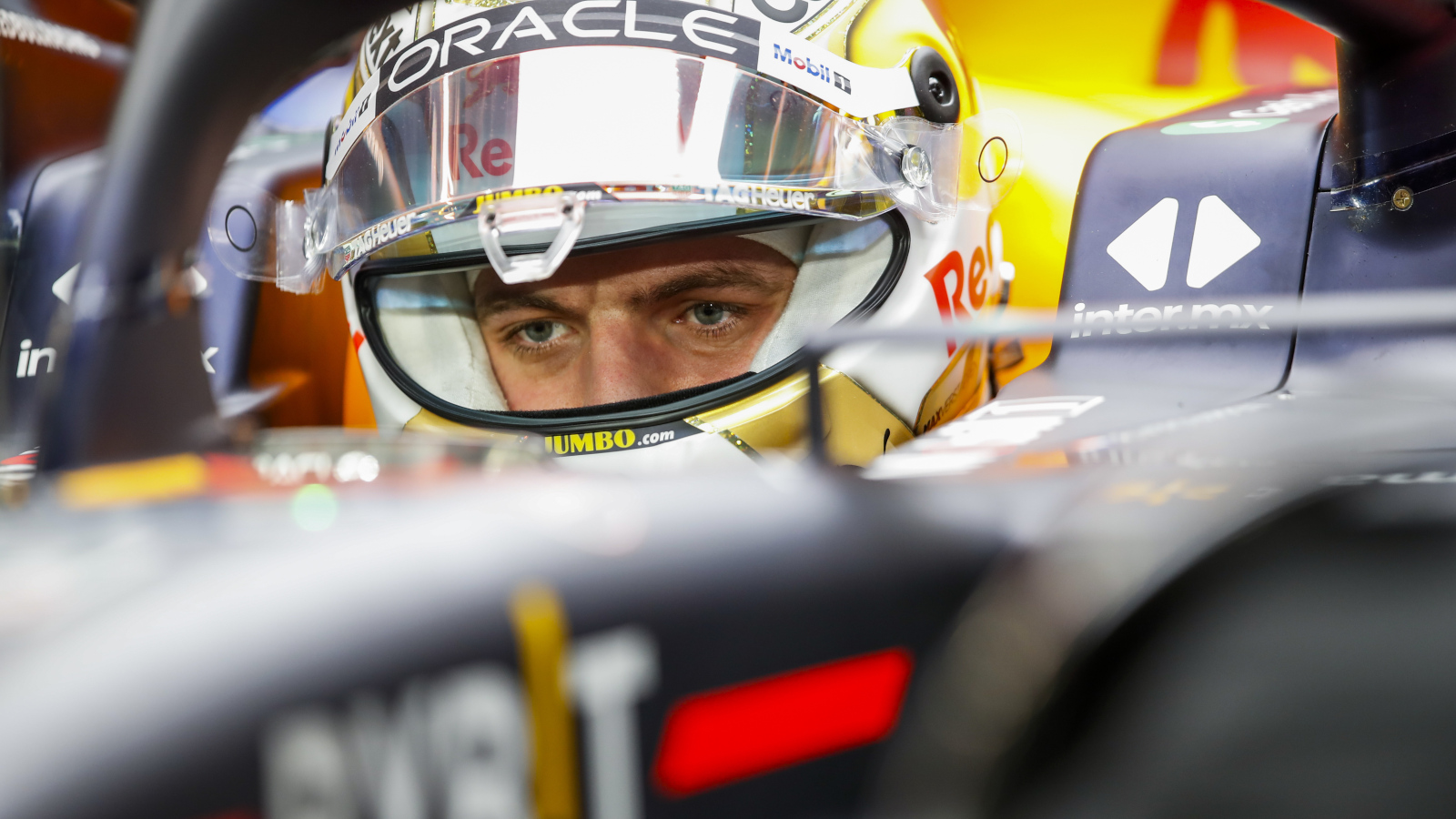
The 2027 engine changes F1 has agreed are a watered-down version of what the sport actually wanted — and according to Stefano Domenicali, the original plan would have gone down rather better with Max Verstappen.
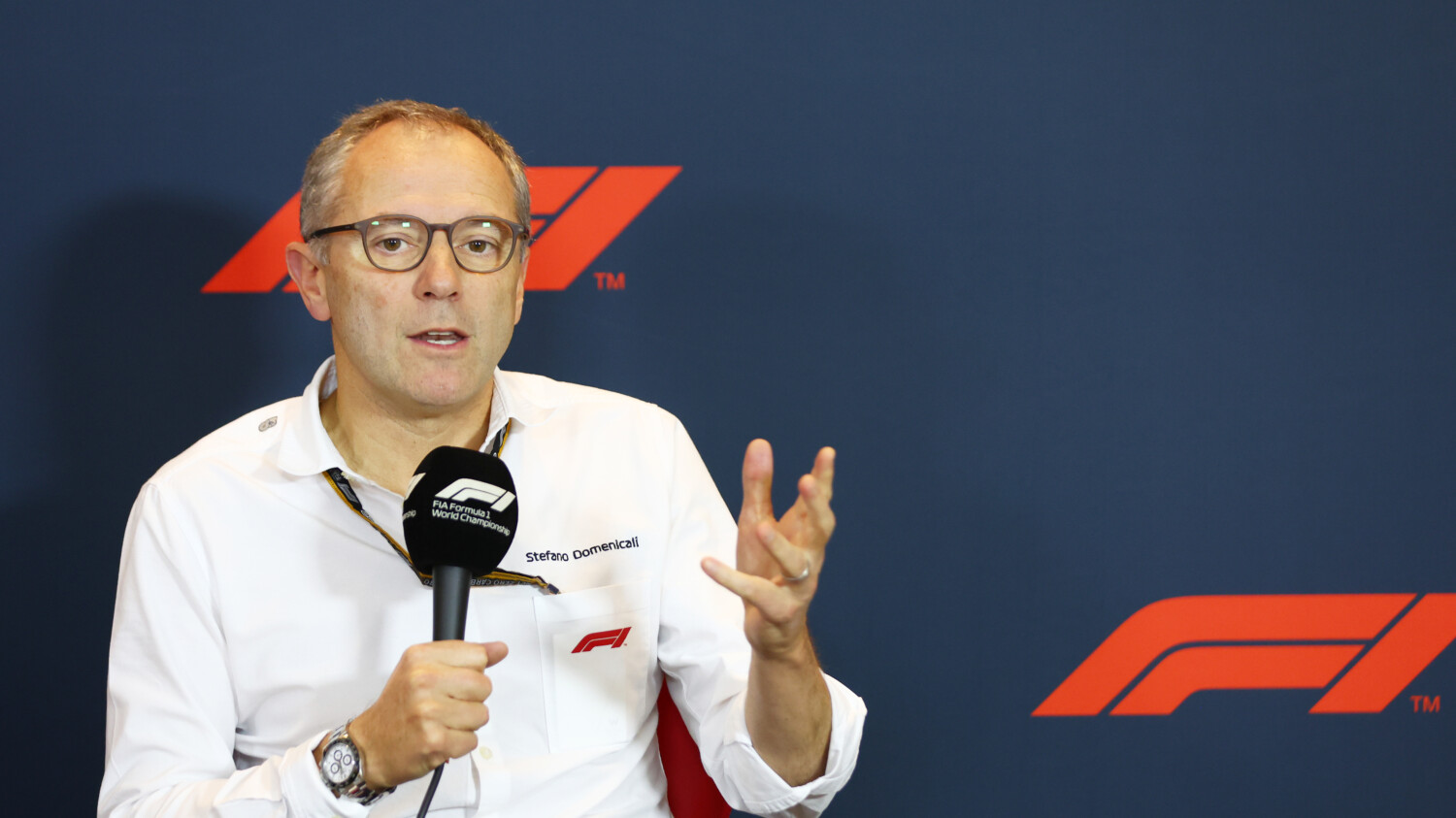
Speaking during a summer-break media call and responding to a question from GPblog, F1's president and CEO revealed that the approved package, designed to dial back the influence of energy management during races, fell short of the commercial rights holder's own proposal.
"You know very well that we wanted to be even more aggressive on that, but that was what the teams accepted," Domenicali said. "I think Max would have been very happy with that."
The obstacle was procedural. "We can't forget that there is a governance structure in place. To change the regulations, the teams and manufacturers need to agree with the FIA and us."
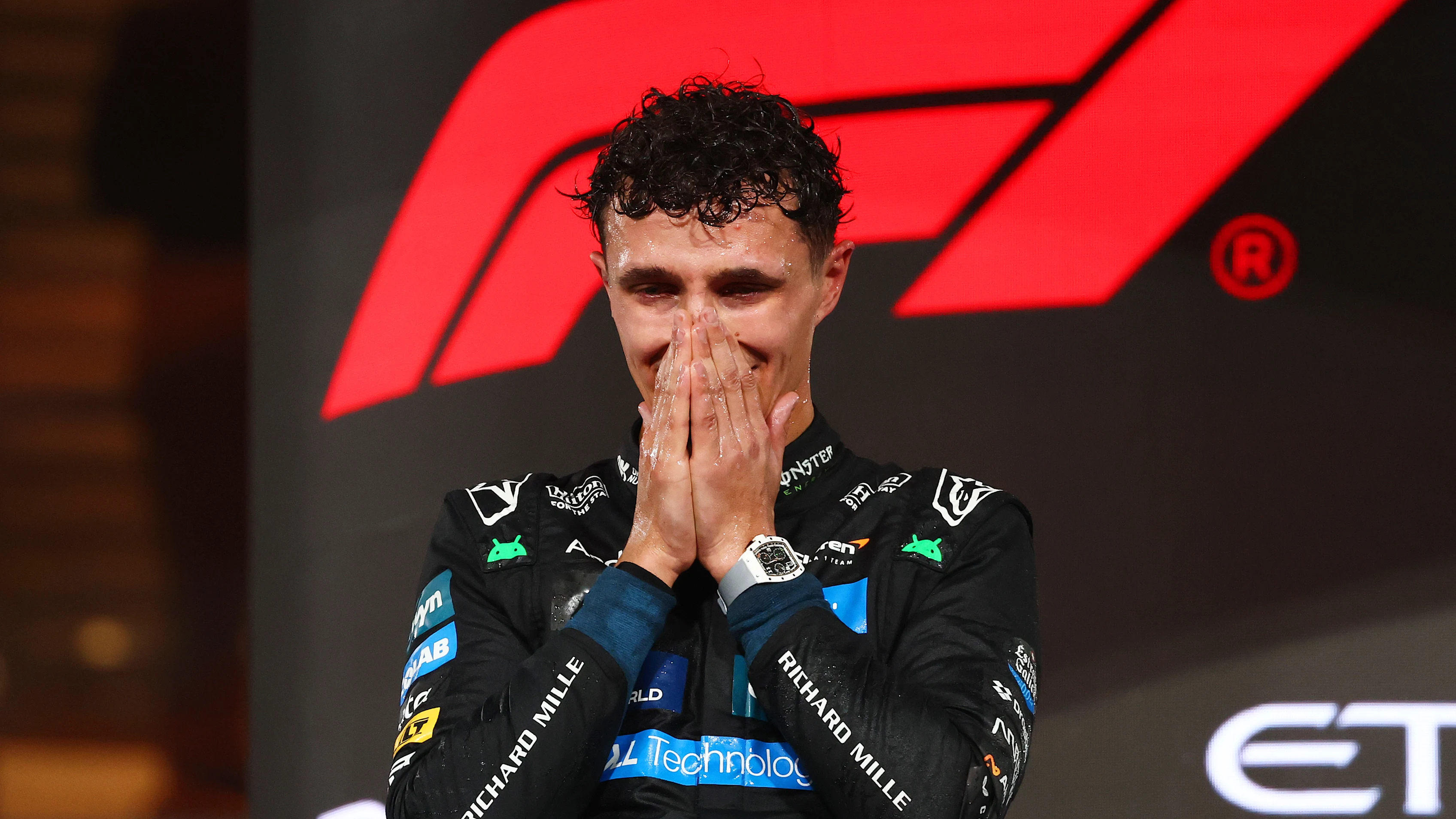
It is a striking thing to concede after months of publicly holding the line on a rulebook the grid has attacked from every angle. Verstappen branded the 2026 formula "Formula E on steroids" in winter testing. Oscar Piastri described the power units as a crap way of going racing. Lando Norris, days after winning in Hungary, said F1 damaged its regulations in its rush to attract manufacturers like Audi. Fernando Alonso noted the cars now have less energy available than an F2 machine around Spa.
Autosport's Ronald Vording asked Domenicali whether the volume of criticism had caught F1 off guard. He insisted he has no interest in shutting it down.
"You know me, we are not here to put the tape on the mouth of anyone. I mean, the beauty of our sport is that everyone can have an opinion, but the opinion is an opinion," he said. "There is someone that has the duty to have a line. There are certain drivers that prefer, of course, certain things. I think that in the process we have highlighted the need to be constructive in that respect."

He would rather the arguments happened privately. "I prefer to discuss things [between] four walls to find solutions," Domenicali said. "But as I said, I think that the more you are vocal on certain things that are out of the scheme, the more the negativity is not on the sport. It's becoming on the personal side."
On the rules themselves, his defence is that F1 had little choice. When the regulations were being written, the car industry was moving hard towards electrification, and the sport faced the prospect of being down to two engine suppliers. "I go back to the thing that this change was connected to a reason, and that was a vital reason," he said. "Otherwise, we would be here to talk about our sport, another sport."
The sharpest split between Domenicali and the drivers is over whether the public cares at all. He told the BBC that the technical grievances go straight over the audience's head.
"There is a lot of action on the track. People are loving it. They are focused on what is happening on the track," he said. "They don't understand our technology, division of 'clipping', or whatever it is, because it's too technical for the wider base that we have."
RaceFans editor Keith Collantine flagged the problem with that framing — much of the season's additional overtaking comes from cars deploying energy at different points on a lap rather than from genuine racing, the phenomenon some fans have nicknamed yo-yo racing.
F1's own research does support the CEO. Its 60,000-strong Fan Voice panel rated 60% of 2025's races good or excellent; the equivalent figure this year is 66%. Spa climbed 24%. Hungary matched its 2025 score. The British Grand Prix was the one significant faller, which F1 puts down to the race ending behind the safety car.
Even so, the sport keeps adjusting a formula it describes as healthy. Changes landed after round five, and the 50-50 combustion-to-electric split that F1 marketed for years is being shifted to 60-40 by 2028.
Domenicali does not expect Verstappen to walk away from any of it. "Max is an incredible driver. I think Max is in a situation where he loves Formula 1. He loves the future," he said. "My opinion is that Max will stay with us, and I really hope so."