Five rounds into the 2026 era, Formula 1's regulators have stopped pretending the new power unit rules are working as intended. The FIA is now openly drafting an emergency response, and reporting from The Race has provided shape and detail to it. Six specific technical solutions are under active discussion, and they reach far beyond the boost-mode tweak that was rushed through after Ollie Bearman's Suzuka crash.
The Race's reporting outlines the proposals. They include power increases, deployment changes, energy recovery limits, and a series of related modifications designed to soften the speed differentials that drivers have repeatedly described as dangerous. The framing of six is important. The FIA is not making one cosmetic adjustment and hoping the noise stops. It is preparing a multi-front intervention because the criticism has come from too many directions for cosmetic fixes to land.
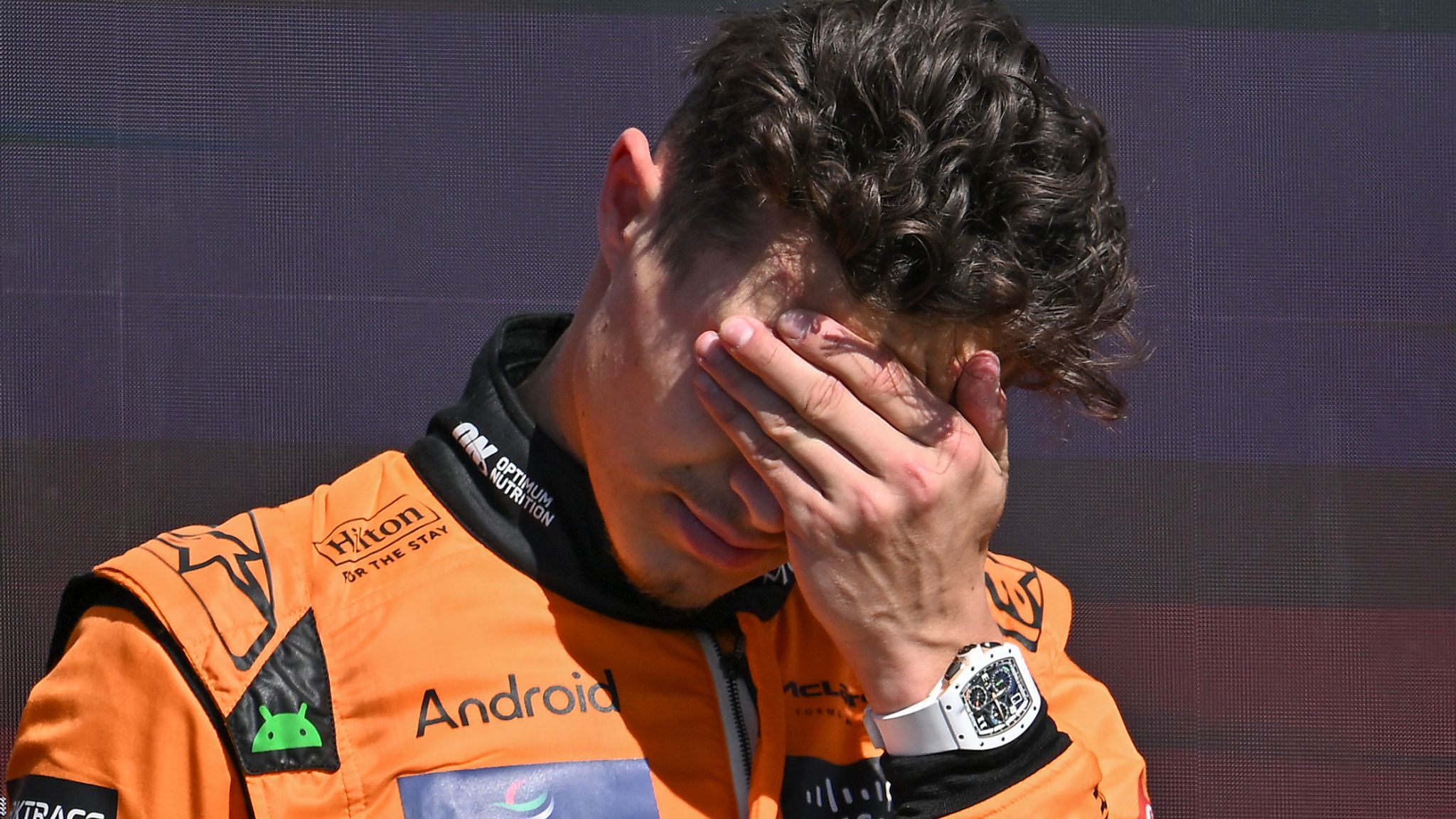
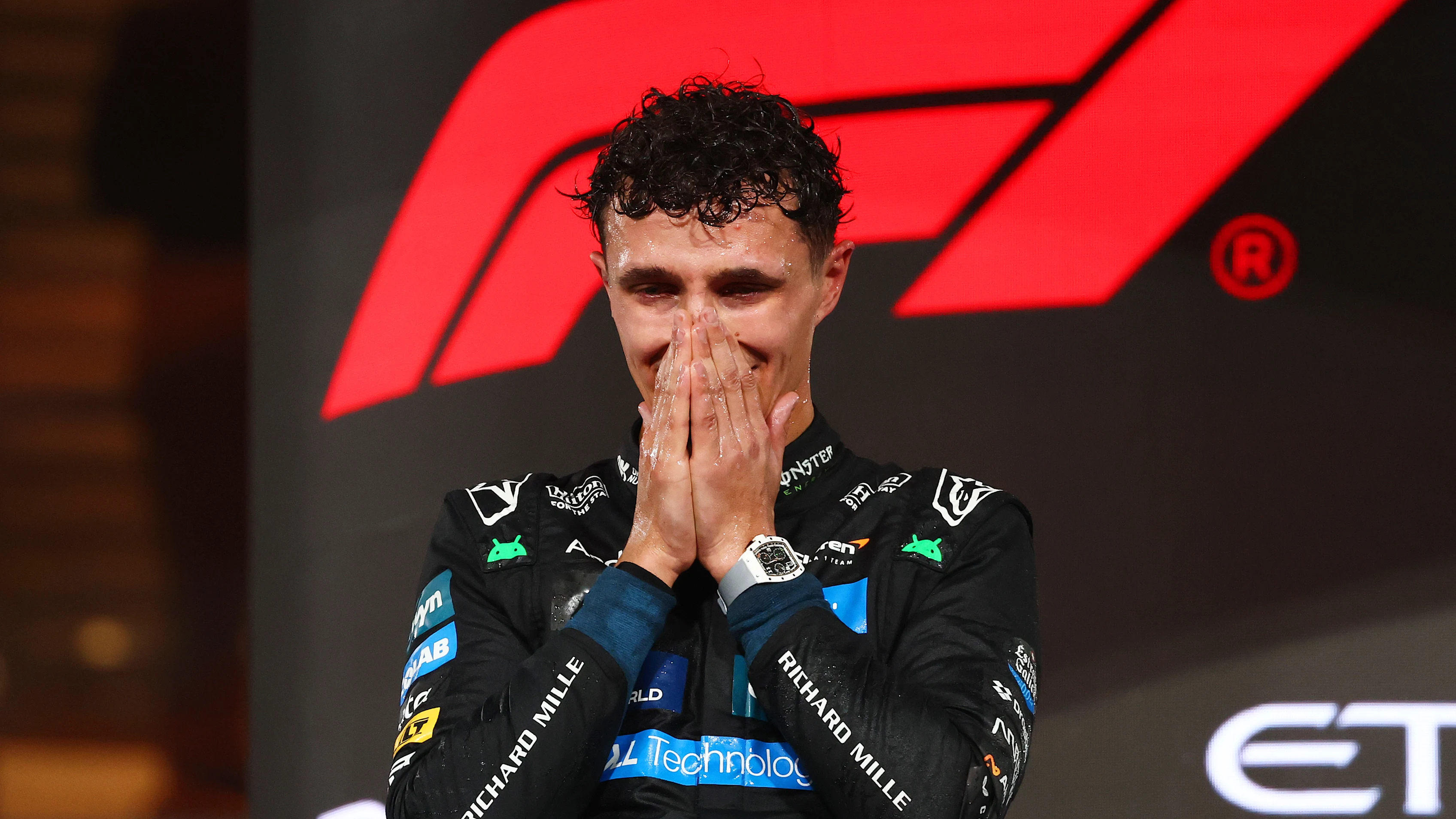
Lando Norris has been the most public driver voice. He expressed how soul-crushing it is to hear engines go quiet mid-straight when the battery depletes, and he has separately described being unable to stop his car from deploying energy even when he did not want to overtake. His description of qualifying losing its raw, flat-out nature, with drivers forced to lift and coast to manage battery deployment instead of pushing to the limit, has become the consensus view among his peers.
Max Verstappen has gone further. He has described the 2026 regulations as anti-driving and pointed at the moments where different energy modes between cars create dangerous closing speeds. The danger that produced was made literal by Bearman's accident at Suzuka. Damon Hill, watching from outside the cockpit, captured the sense of risk by describing the dangerous speed differentials between cars as being like getting hit from behind on a motorway.
The political picture is what makes the FIA's task hard. Thomas Maher has reported hearing admissions inside the FIA itself that the 50/50 power split between combustion and electrical components has not delivered the racing the rule-makers hoped for. He has expressed sarcastic criticism that the FIA ruined the regulations chasing a 50/50 split. Rolling back the split entirely is politically impossible because Audi entered F1 on the basis of those rules. The six fixes appear designed to soften the sporting consequences without touching the underlying engineering principle.
There is pressure from the entertainment side too. Andrea Stella has argued that the sport needs to confront the reality that current cars have produced an artificially manufactured racing spectacle, with overtakes that feel more like a video game boost button than pure racing skill. Red Bull team boss Laure Mekies has gone further, warning that leaving the rules unchanged will inevitably lead to a highly compromised product.
The FIA's stated goals, as the package comes together, are to reduce the massive energy variations that produce mid-straight slowdowns, to restore consistent top speeds across a lap, and to shift focus back to driver skill rather than energy management. The six fixes are how it intends to get there.

What is still unresolved is whether they are enough. Some inside the paddock have already begun to ask whether the 2026 regulations have caused damage that cannot be undone with mid-season tweaks. The FIA is betting they have not. By Miami, the racing world will start to find out.