Just four races into the 2026 power unit era, Formula 1 has already conceded the regulations need work. An agreement in principle has now been reached to shift the engine power split closer to a 60/40 internal combustion to electric balance for 2027, pulling the sport back from the originally advertised 50/50 architecture.
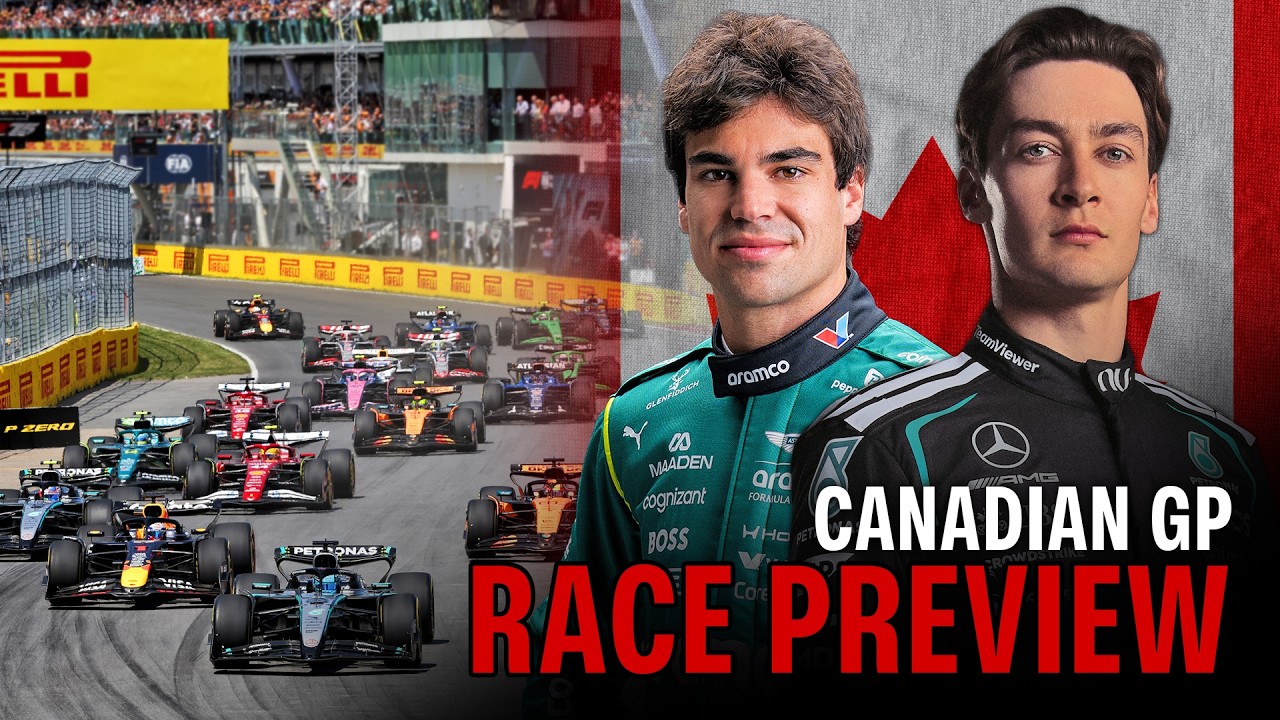
Coming as it does in the build-up to the Canadian Grand Prix, the timing is awkward for Formula 1 chief executive Stefano Domenicali, who has spent the early weeks of 2026 publicly arguing that everyone in the paddock is enjoying the new ruleset. Formula Sean, previewing the Canadian GP for his channel, did not pretend the news landed quietly.
"There has been an agreement reached in principle to make changes to the current set of engine regulations for 2027 - and that is just four races into this new regulation era that Stefano Domenicali keeps telling us everyone loves," he said.
The fix targets a specific problem. The 2026 power unit was meant to deliver a clean 50/50 split between the internal combustion engine and the electric side. In actual race trim, that split has come out closer to 55/45, with drivers complaining about constant energy management calculations on long straights and lift-and-coast theatre that has dulled qualifying battles. The 60/40 target is intended to free drivers to run flat out for longer.
"The plan is to get rid of the 50/50 but not really 50/50 split in power between the internal combustion engine and the electrical side. Instead, the sport is looking at getting closer to a 60/40 split," Formula Sean said. "Given that the 50/50 split actually ends up being more like 55/45, this isn't exactly a huge change, but the hope is that with the reduction in energy demands from the battery, coupled with the increased power from the engine, the car should be able to run a bit more flat out and be a bit more intuitive for the drivers as well."
Formula Sean himself made clear he had had enough of regulation churn. "I am pretty much done with all the rules talk. I'm sorry. Let's wait and see."
The more immediate piece of regulation is also tied to Canada. Sunday's race is the cutoff for the first Additional Development and Upgrade Opportunity, or ADUO, monitoring period of the season. ADUO is the mechanism the FIA has put in place to stop any one manufacturer becoming uncatchable inside the season by entrenching a power deficit too large to legally close.

"Engine manufacturers who are deemed to be 2% or more behind the best-performing internal combustion engine, but less than 4% behind after the first monitoring period, will be allowed to make one additional upgrade to the engine this season and one additional upgrade next season," Formula Sean explained. "If an engine is considered to be more than 4% behind, then they will receive two additional upgrades."
In paddock terms, those two thresholds are squarely aimed at Ferrari and Honda. Both have spent the opening rounds of 2026 publicly explaining away reliability stumbles and outright power deficits, and both will be waiting on Monday's communication to find out whether they have qualified for ADUO upgrade tokens.
The combined picture is clear. Formula 1 is moving simultaneously on two fronts. It is using the Canadian Grand Prix as a measurement point to redistribute development opportunities inside 2026 - and it is also already writing the small print of the 2027 power unit rules to make sure the regulations the paddock has been working towards do not produce a second season of energy-management compromise. The Domenicali narrative that everyone loves 2026 will be tested by which manufacturers come out of Canada with extra upgrade tokens in hand.