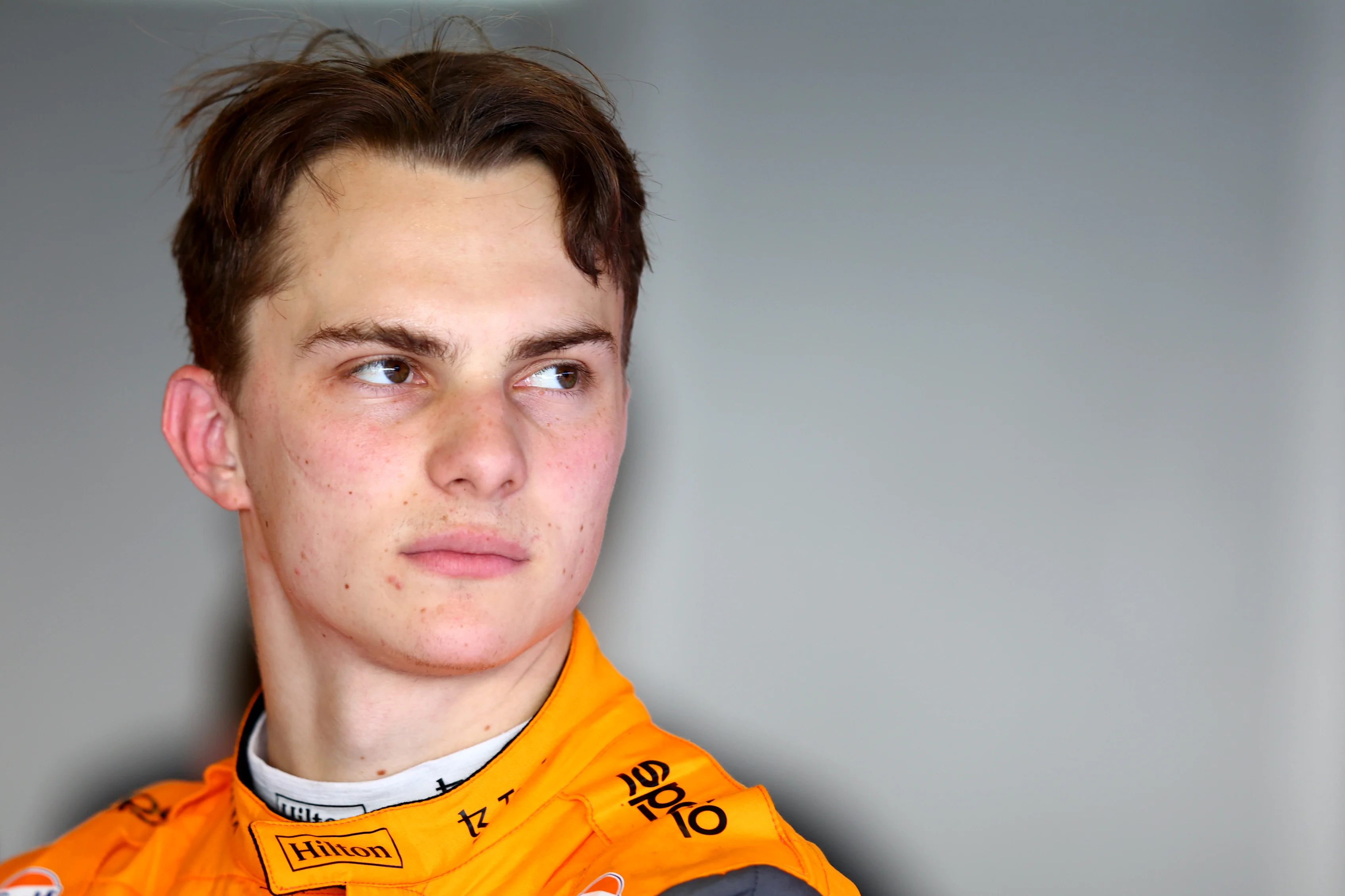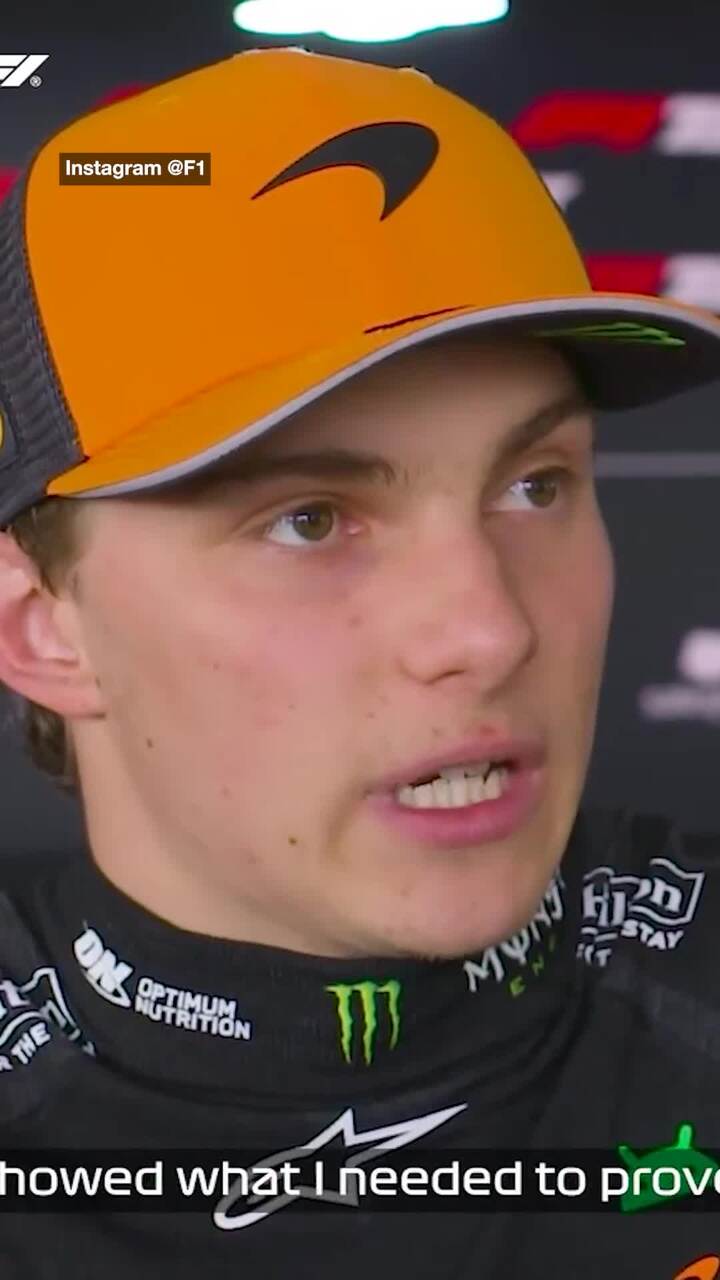
The 2026 engine rules were sold as a leap in efficiency. What several drivers took away from Spa-Francorchamps instead was a suspicion that the sport's self-learning software is now deciding races for them.
Spa, an energy-starved layout, turned the volume up. Oscar Piastri ended up two-tenths adrift of McLaren team-mate Lando Norris on identical settings, a deficit the team pinned on the engine's automatic energy-deployment algorithms rather than anything the driver did wrong.
"It sucks. I can't really say it any other way than that," Piastri told Motorsport.com. "When you've got qualifying grids decided by computers behaving or misbehaving, it's a pretty crap way of going racing."
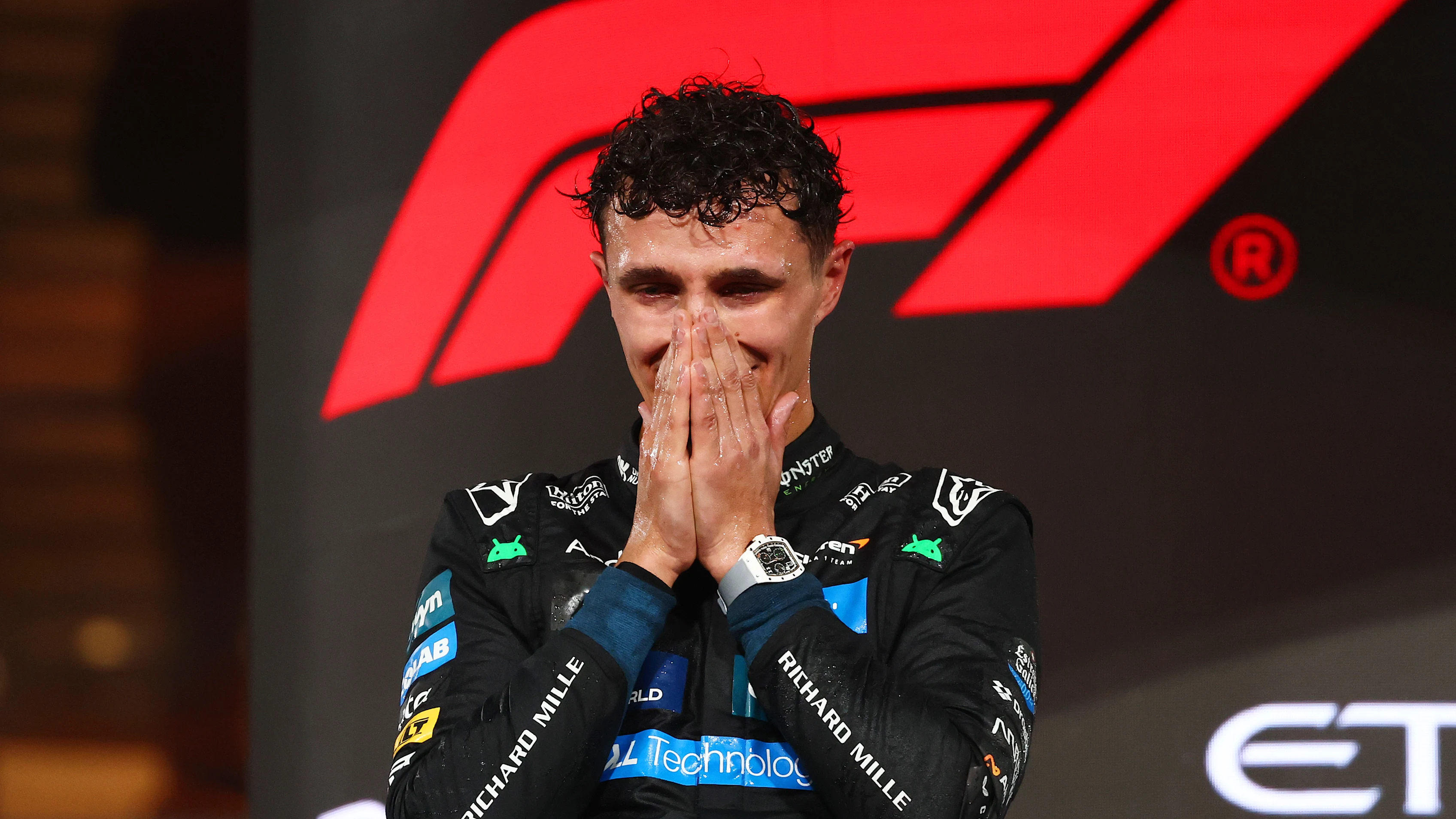
He made clear the issue was spreading through the field. "I certainly wouldn't have been the only person. I know George has had a lot of issues with that this weekend, and maybe the last couple of weekends. And speaking to some others, it's a similar story."
Norris happened to come out ahead at Spa, but said the same gremlin had haunted him for months. "It's not down to the driver," the reigning champion told Motorsport.com. "It's just down to hoping you get lucky that the power unit does what it should do and doesn't do something silly." He reckoned it had "been costing me the whole year".
McLaren boss Andrea Stella laid out the cause: the 2026 units learn as they run, reshaping energy deployment lap to lap - and even mid-lap - to guess what is coming. Because the system reacts to the smallest change in throttle, wind or grip, minor inputs can balloon into big losses further round the lap.
No team wore it more visibly than Mercedes. A distraught George Russell described losing time he could not explain. "Even on my last lap, for some reason I lost another tenth and a half to myself, just on the straight. You're watching on your steering wheel, just losing speed when you're full gas on the straight. You feel powerless," he told Nine.com.au. "We don't know what's going on. I don't think it's the power unit, to be honest. But there's something slowing us down in the straights."

Charles Leclerc, second on the day, said he had burned whole sessions trying to read his Ferrari. "These power units are so complex that there are some days when you scratch your head trying to understand why you are losing so much on the straights," he said. "Even when you are doing your best, there are things in the background that change constantly, and that's not so nice."
The Race's Jon Noble went further, describing the drivers as hostages to the algorithms and noting that some teams already switch the self-learning off for qualifying to avoid the lottery. Toto Wolff conceded Mercedes was lucky to spot Russell's fault at Spa at all - and might have missed it at a track with more energy to play with, like this weekend's Hungaroring.
The scheduled tilt toward a 60-40 combustion-to-battery balance by 2028 should relieve the energy crunch, yet Piastri doubts it reaches the real problem. "The change in fuel flow and the less deployment are not going to fix those specific issues," he said. "It's to do with how the engine's calibrated, how the engine learns. It's kind of ingrained into these engines."
That leaves an awkward question hanging over the summer break. If a two-tenth swing between team-mates can come down to a software quirk rather than a quicker corner, how does anyone - fans included - know who is really doing the better job?