There is a particular kind of public silence in modern sport which says more than any press release ever could. F1's social-media output during the Nurburgring 24 Hours weekend was, by any reasonable read, one of those silences.
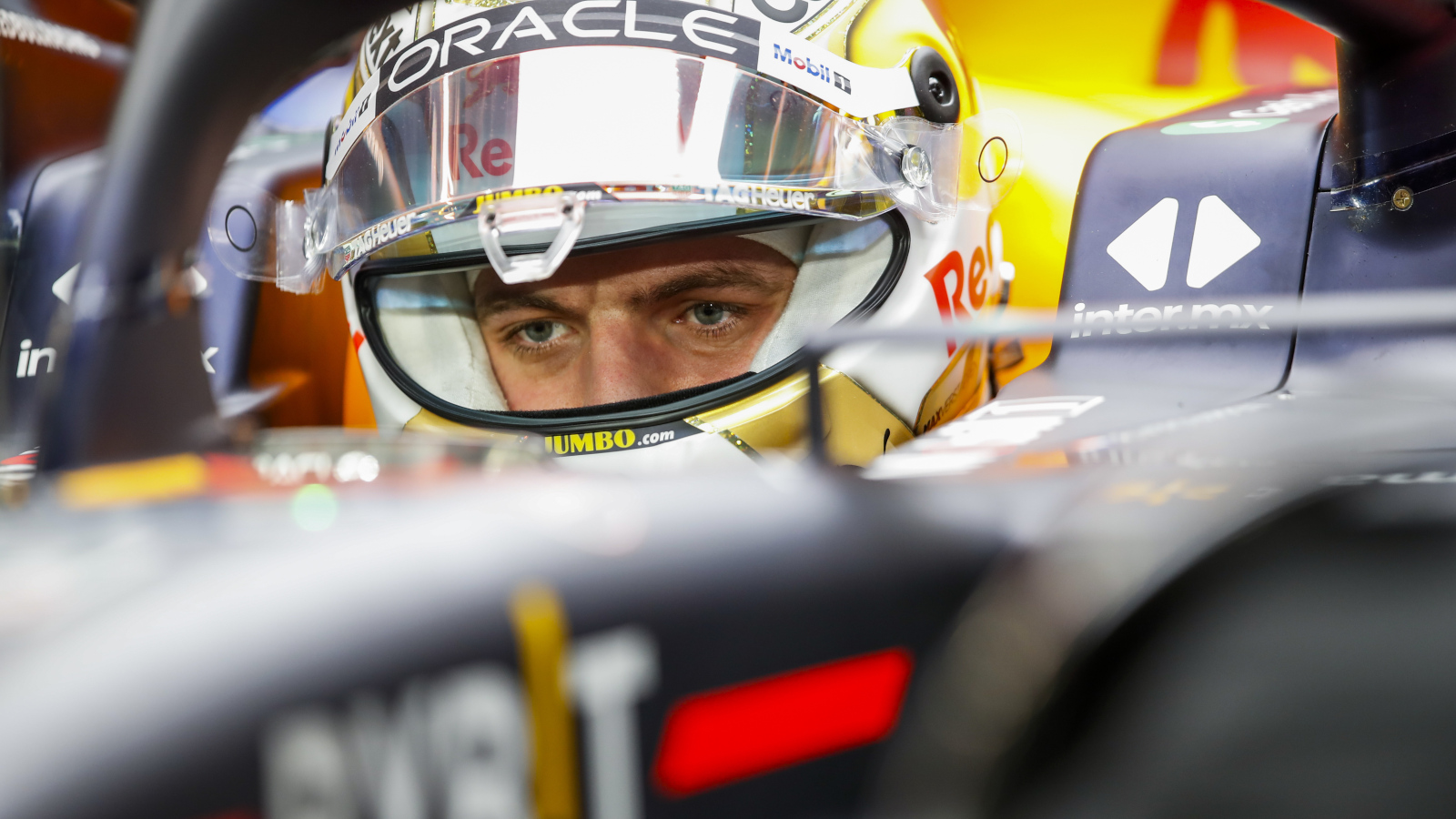
The race itself was about as Formula 1-adjacent a piece of sporting theatre as a non-F1 weekend can produce. Max Verstappen, the reigning four-time world champion of the sport that pays him his salary, was on debut at the Green Hell in a Ferrari 296 GT3 and was running at the front for the bulk of the 24-hour event. A drive shaft failure with three hours to go ended his charge and handed victory to a Mercedes-AMG GT3, but he had already done enough to seize the global motorsport conversation.
What the F1 brand-team chose to do with that moment was, essentially, look away. The official Formula 1 channels spent the weekend posting brand-mood reels built around words like 'heritage', 'relentless', 'triumph' and 'legacy'. The selection of historical images embedded in those posts even included a photograph of Verstappen himself. Nowhere in the captions did anyone acknowledge that he was, at that very moment, in the cockpit of a different car at a different circuit, writing a new chapter of motorsport headlines.
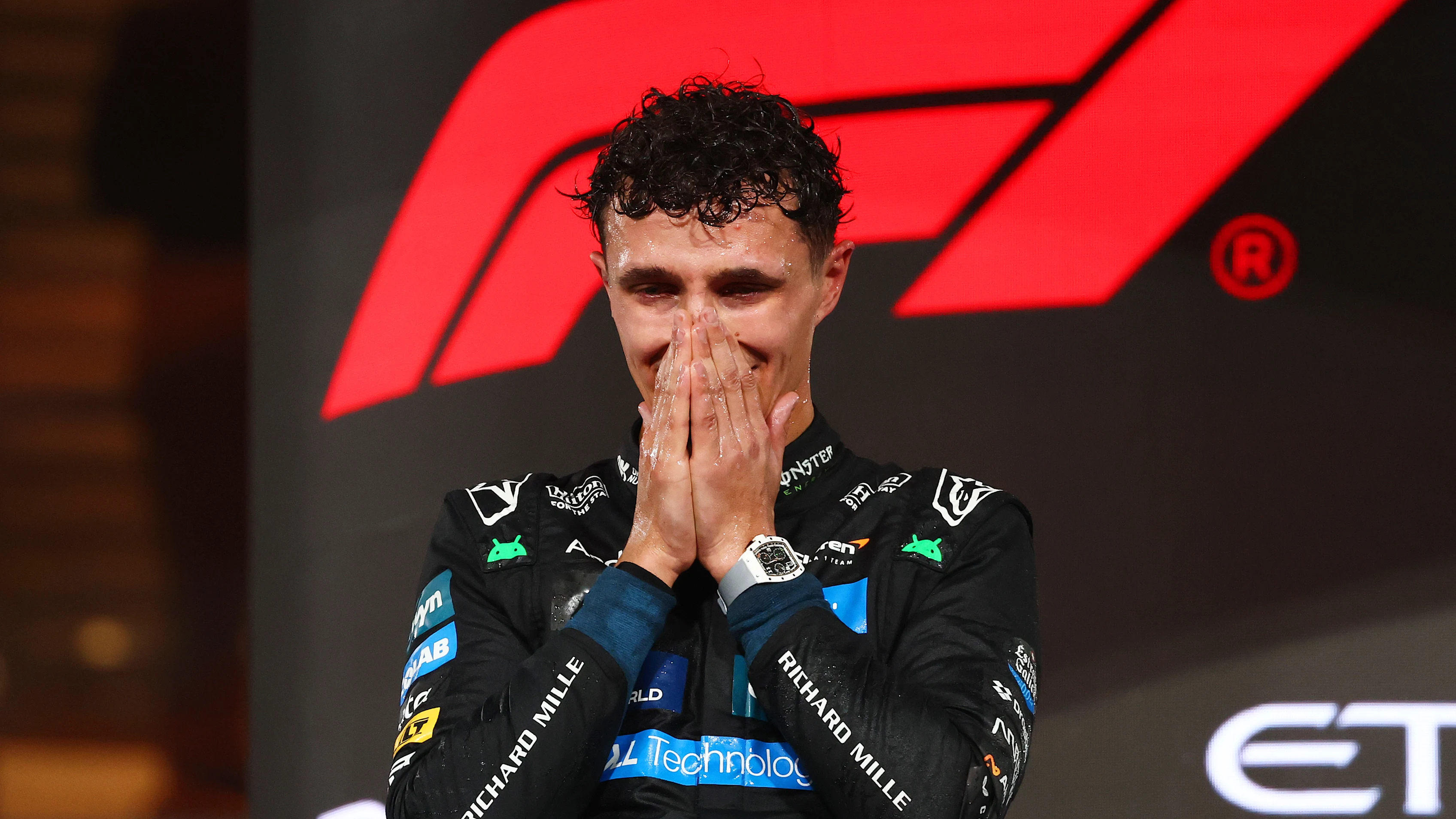
As F1 News - TacticalRab pointed out in a weekend round-up, F1's social team had no problem in the same window celebrating other partner athletes operating elsewhere. The contrast with the Verstappen omission was loud.
The fan response told the story. F1's flagship post during the Nurburgring window drew the kind of negative reply ratio that any commercial social-media manager would describe internally as a 'learning'. Even Verstappen's GT3 entry's title sponsor, Dacia, ended up generating heavier engagement on its own posts than the official series achieved.
The motivation is not difficult to read. Verstappen has been openly critical of the new 2026 regulation set, particularly the elevated role of energy management and battery deployment, and his decision to use his F1 off-weekends to race a GT3 at one of the planet's most demanding circuits has functioned as a public, visible alternative-route statement. F1 has, understandably, not wished to amplify that statement.
The difficulty, of course, is that pretending the most popular driver of the modern era is not currently leading a major endurance race does not make him stop leading the endurance race. It just convinces the audience that the official channel is more interested in protecting the product than in covering the sport.

The 2026 season has already given Liberty Media plenty to manage on the goodwill side of the ledger, with battery-saving racing on the technical-rule front and an awkward power-balance fight between Mercedes and the chasing engine programmes. The Nurburgring weekend was an opportunity to demonstrate generosity. The choice that was made instead was a fairly clear one — and the fan reply column made the cost of that choice equally clear.