The most heated fight of F1's new era is not happening on track - it is happening over spreadsheets. Half a season into 2026, the volume of upgrades landing on the cars has turned the cost cap into a running row, with the leaner-budget teams demanding to know how their rivals keep finding new parts.
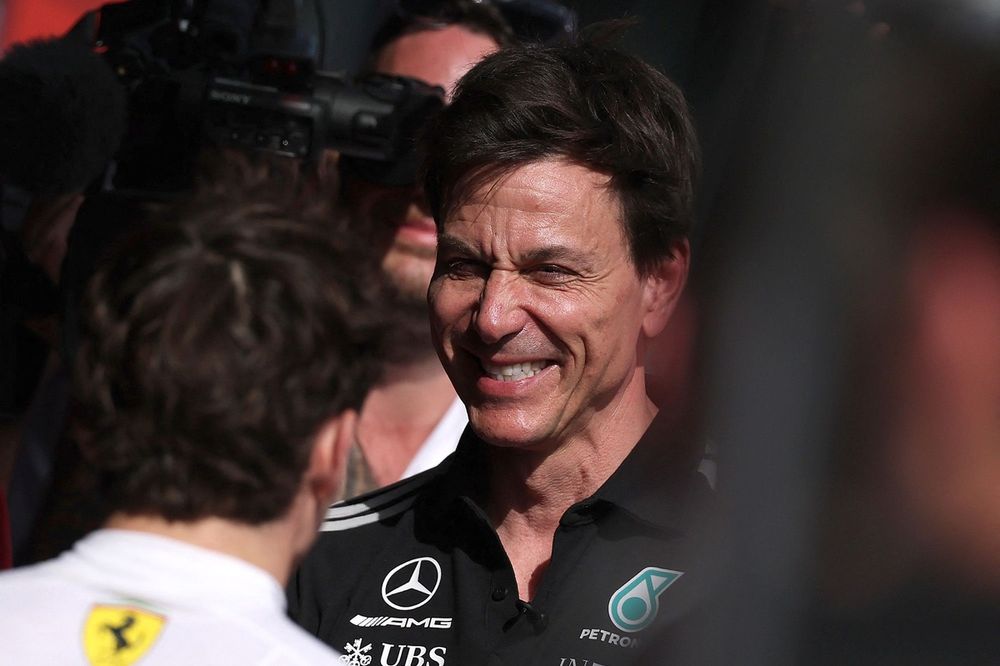
Toto Wolff has led the complaints. The Mercedes principal insists he cannot keep pace with the flow of components arriving from Maranello. "The only ones that are not slowing down [development] is Ferrari," he said, before explaining why Mercedes cannot answer in kind: "we can't do that. We're simply lacking the buffer in cost cap to be able to bring so many parts." Wolff expects the spree to catch up with Ferrari, who he says have "piled on countless modifications" and will "soon hit their budget limit."
Fernando Alonso voiced the same grievance, only sharper. With Aston Martin mired in a difficult campaign, the Spaniard said: "Apparently there is no money to bring upgrades, unlimited upgrades, like the other teams do" - a jab at how unevenly the grid seems to interpret an identical set of financial rules.
Ferrari denies buying its way to the front. Fred Vasseur answered the criticism by pointing to timelines rather than budgets. "The lead time on the engine is huge. On some components, you have months of delay," he said, casting the team's fast start as the fruit of decisions taken long ago instead of a summer spending burst.
Red Bull frames its own approach the same way. "We've decided to make the big push as early as we could from an engineering perspective," said Laurent Mekies.
McLaren's Andrea Stella, meanwhile, sees the escalation as proof of the grid's rising standard rather than a controversy. "I think what we see in 2026 is a Formula 1 operating at a level that has never been the case before," he said.
Strip it back and the argument is not about whether teams are spending - it is about whether the cap still works. The Race's Jon Noble described a development battle running at "a level of aggression that one team boss says he has never seen before." Race by race it is redrawing the order, and it is laying bare the very gap the regulation was meant to close: teams with bigger reserves and smarter accounting can still out-develop those scraping by.

Wolff, though, casts the blitz as a wager that may not pay off. "It's always a balancing act between this season and the next," he said. Should Ferrari and Red Bull have drained their resources too soon, the closing months of 2026 will reveal whether the early push was worth it - or whether patience was the smarter bet.