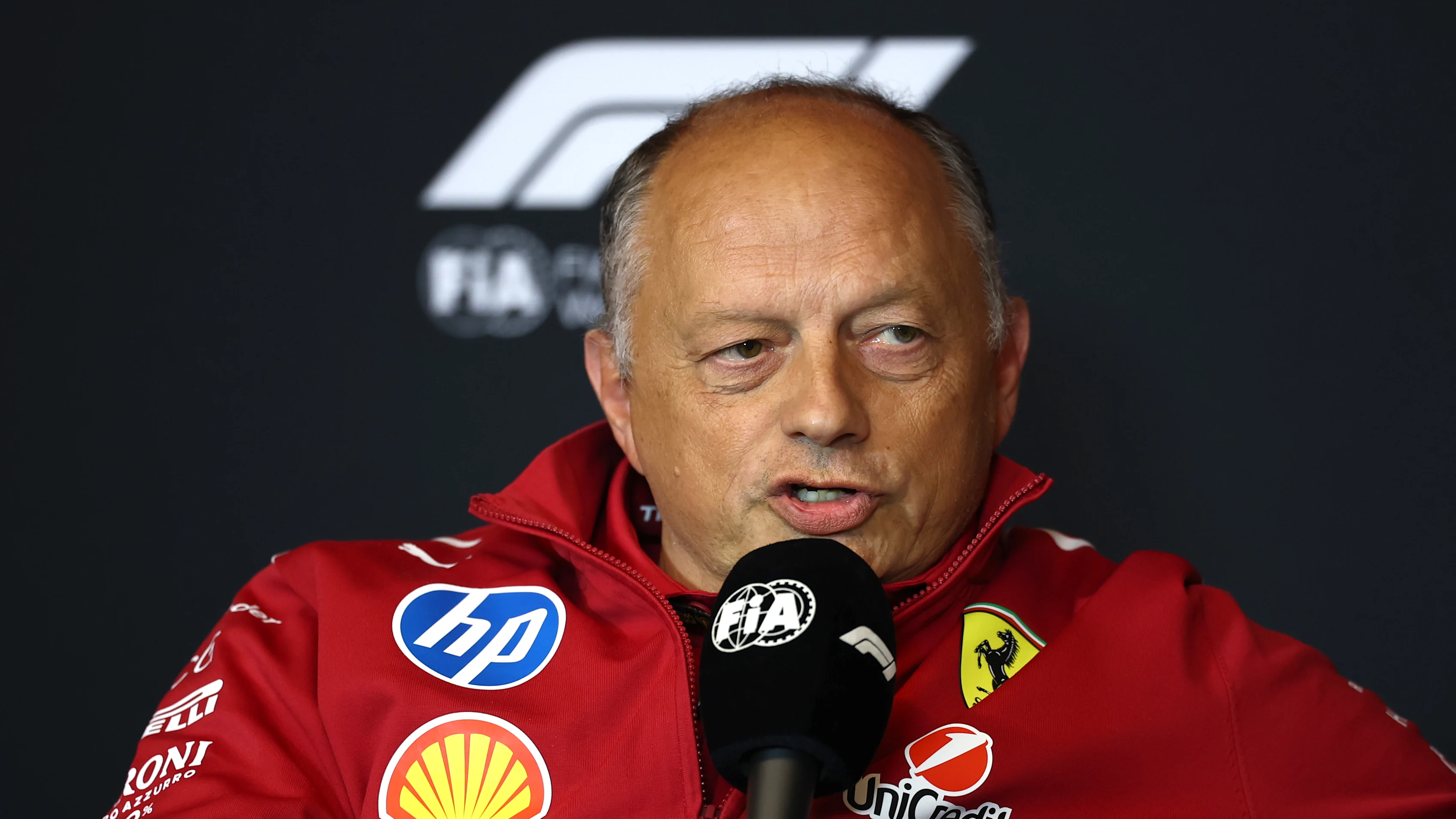
Ferrari's weekend at Spa opened with a fine that had nothing to do with performance. The FIA's technical delegate Jo Bauer flagged that the team had logged two sets of dry tyres per car for return to Pirelli after first practice, then failed to actually hand them over. The sets "were not physically returned to the appointed tyre supplier before the start of FP2," Bauer wrote, and the breach caught both Lewis Hamilton's and Charles Leclerc's cars.
Rather than dock grid positions, the stewards reached for the chequebook: 5,000 euros per car, 10,000 euros all told. "The competitor (Scuderia Ferrari HP) is fined 5000 euros," the ruling on Hamilton's car stated. "The stewards heard from the team representative of car 44 (Lewis Hamilton) who acknowledged the breach and attributed it to an oversight."
Fred Vasseur saw it coming. Quizzed before the verdict, the Ferrari boss predicted with a laugh that "it will be a fine" - and so it was.
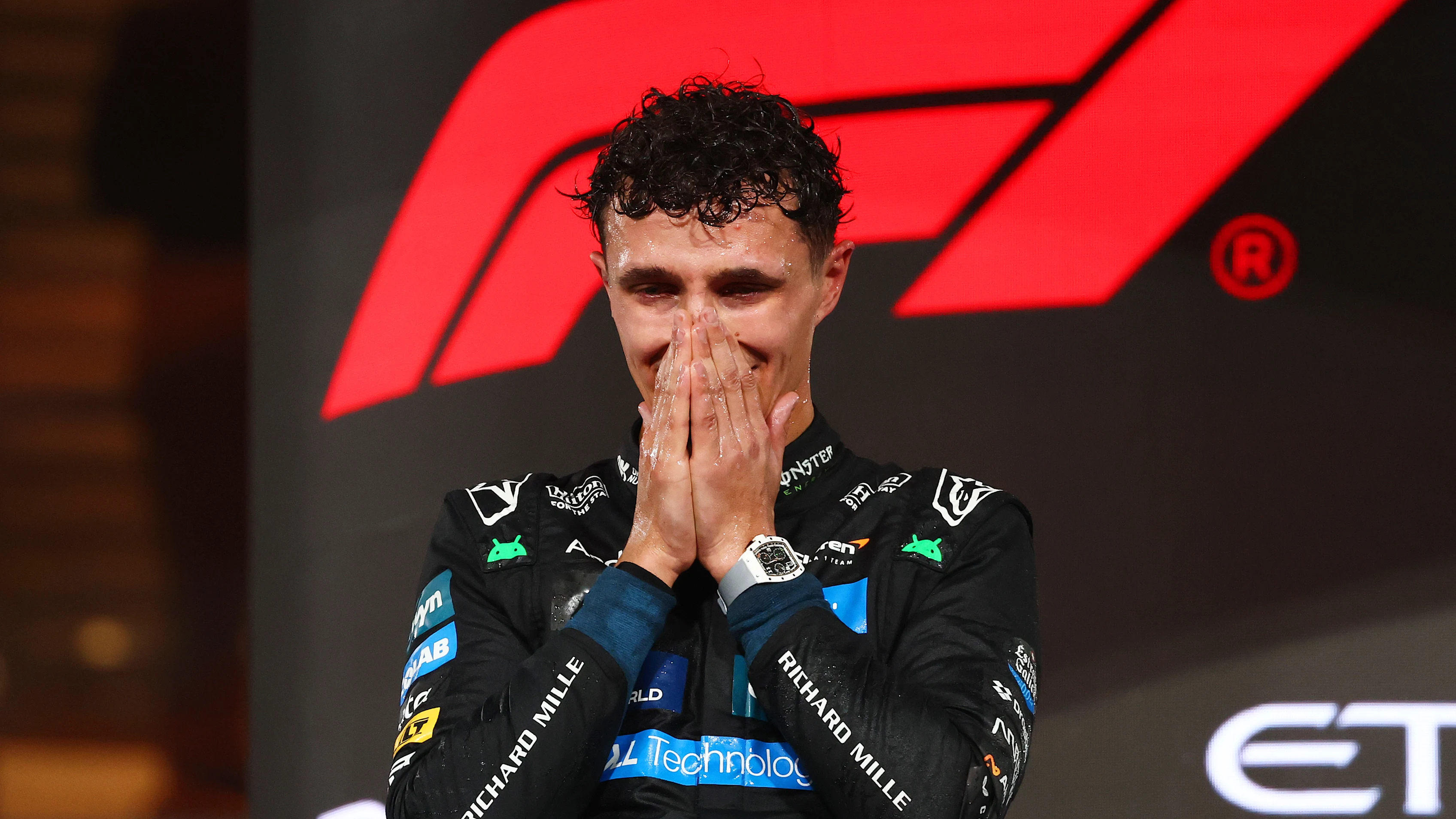
The debate is over whether that was enough. Sky Sports' Bernie Collins felt the physical tyres going missing, rather than a simple logging error, warranted something firmer. "In my opinion, that needs to be more of a slap on the wrist, it needs to be a penalty," she said, noting that back in 2016 the outfit then racing as Force India was given a one-place grid drop for Nico Hulkenberg over a comparable tyre-return slip.
The stewards took a softer view, drawing a line between a paperwork oversight and a genuine on-track advantage. Pirelli checks returned tyres for damage and safety, so the hand-back is not trivial, yet nobody suggested Ferrari benefited from keeping them a little longer.
It was one of several Friday rulings at Spa. Lance Stroll picked up a grid penalty for a power-unit change, Isack Hadjar took one for an engine swap, and Lando Norris was already sitting on a 10-place drop. Esteban Ocon copped a suspended fine over a separate procedural error that drew an apology from Haas.
Ten thousand euros barely registers on Ferrari's books, and the matter will fade once qualifying starts. Still, Collins's argument sticks: when similar breaches draw different punishments across seasons, even a token fine turns into a talking point.