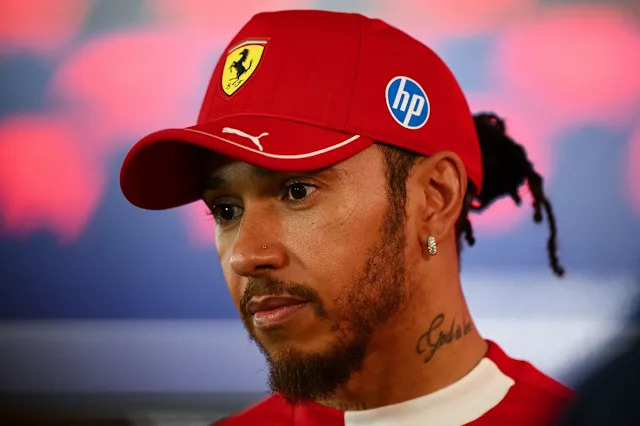
Ferrari arrived in Austria with a new engine and Barcelona-sized expectations. It left fourth best, the title talk that followed Lewis Hamilton's win two weeks earlier quietly evaporating.
The grid had promised more — Leclerc and Hamilton split the Mercedes drivers in qualifying before Russell's late pole. The race was a reckoning. Hamilton finished fifth, nearly 30 seconds adrift; Leclerc was a distant eighth. Mercedes drove away, the upgraded Red Bull went past, and even McLaren got ahead.
The upgrade did what it was meant to; the problem is how far behind Ferrari started. According to The Race, the team only earned a mid-season power-unit update because F1's new ADuO equalisation system ranked its internal combustion engine more than four percent off the benchmark — and the outlet's sources put the real gap to Red Bull's powertrain nearer six to eight percent. The Red Bull Ring, short on big braking zones to recharge, left nowhere to hide.
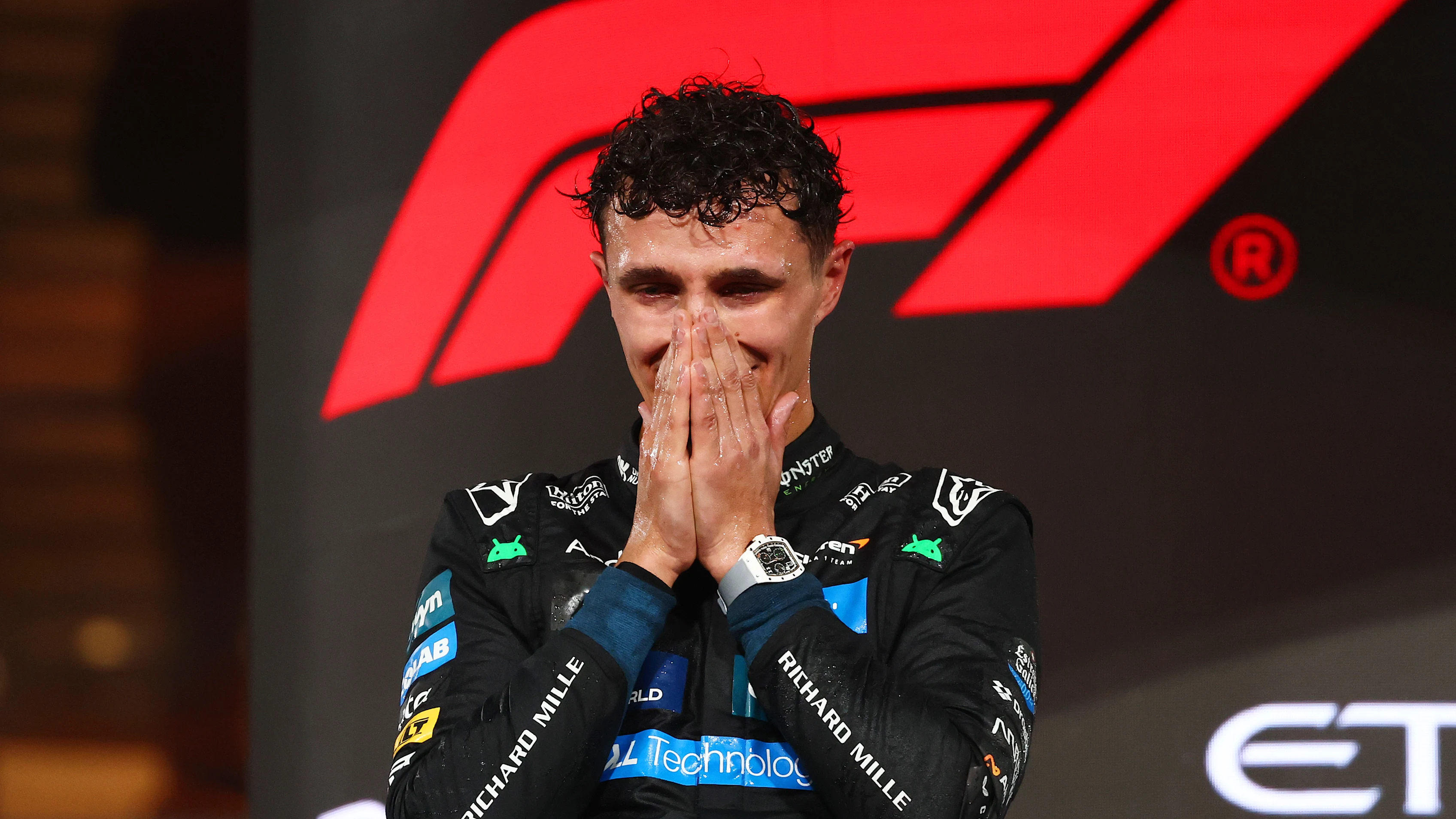
The cockpit feedback was blunt. Antonelli, in the cool-down room afterwards, said the Ferraris "were deploying so weirdly, I almost crashed with Leclerc in turn one." Hamilton said Mercedes "had far more power than everybody else" and couldn't pinpoint the source, summing the day up as a reality check.
Strategy compounded it. Ferrari reached for the aggressive Barcelona template — early stop, softs, undercut — in 50-degree heat on a tyre it already mistreats. Fred Vasseur conceded the team pushed too hard, over-reacted on strategy and chased the wrong cars: "Realistically, that wasn't our race today." Leclerc, who admitted the swing in form was hard to understand, added: "You can always do slightly better with hindsight. But I think whenever the pace is not good, whatever strategy you do, it doesn't look great."
Autosport's Stuart Codling, in Spielberg, captured the bigger worry, describing "this weird up and down procession through the race weekend — sometimes best of the rest, sometimes not," with no clear explanation for why Barcelona's pace vanished. He was scathing about the equalisation saga too: "Why are all the engine manufacturers falling over one another to say our engine is rubbish? Absolute madness."
Relief is months away. The turbo tweak that could ease Ferrari's straight-line deficit isn't expected until after the break, around Zandvoort and Monza. First comes Silverstone — long straights, scarce recovery zones, an energy demand much like Austria's. For Hamilton, home advantage may have to do the heavy lifting.