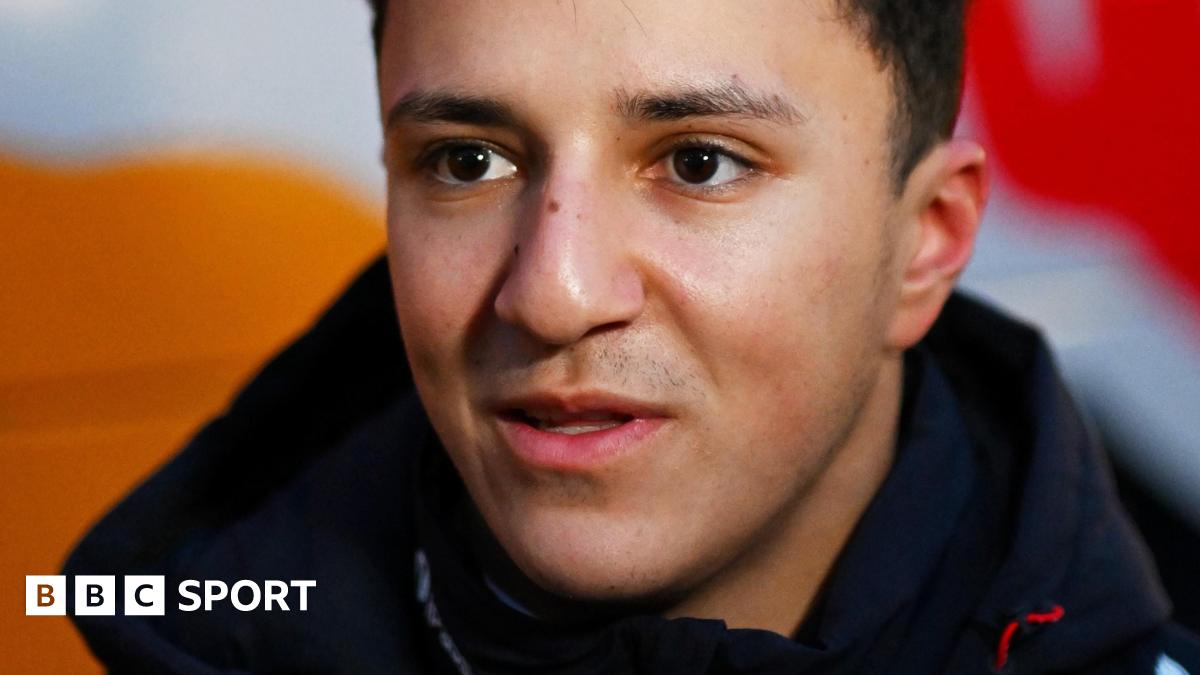
Isack Hadjar arrives at the Circuit Gilles Villeneuve carrying more than the usual rookie nerves. For the Red Bull driver, the Canadian Grand Prix has been a memory since long before he became a Formula 1 driver — a memory specifically tied to one of the most chaotic and beloved wet races in modern F1 history.
The reference point is Jenson Button's 2011 victory in Montreal. That race began in mid-afternoon, hit a two-hour red flag for unsafe rain conditions, finished four hours later, and saw Button climb from last on lap one to a final-lap pass on Sebastian Vettel for the win. It remains one of the most replayed wet races in Formula 1 history. For a kid in front of a TV in Europe, it ran past bedtime.
"I remember 2011 Grand Prix here. I was staying up until very late even though I had to go to school the next day, to watch the ending of that race," Hadjar told the Oracle Red Bull Racing Virtual Laps cameras. "I hope we can have a similar race again this year, because it was very exciting."
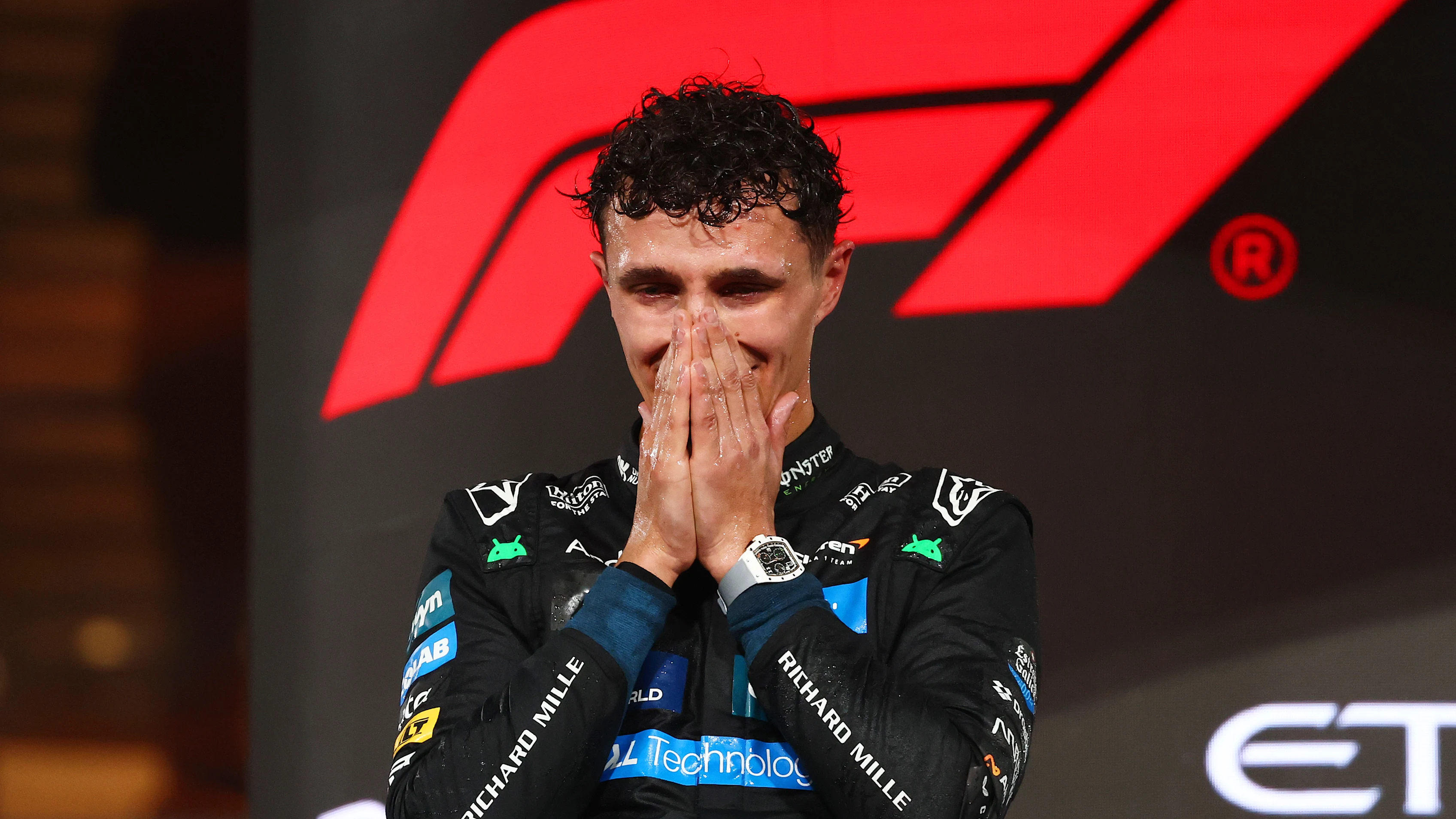
That admission is what gives the conversation its emotional weight. Hadjar is now in the paddock as a competing F1 driver, but his hopes for the weekend still come from the fan instinct of watching Button beat the conditions.
The conversation then pivoted to the second great test of any Montreal driver: the Wall of Champions on the exit of the final chicane, which famously caught Damon Hill, Michael Schumacher and Jacques Villeneuve in a single 1999 afternoon. Hadjar acknowledged the strange psychological challenge of being asked to launch a flying qualifying lap straight at it.
"Starting right by the Wall of Champions as well — I said, how much do you dare push when you're starting a lap towards that Wall of Champions before you've even started?" Hadjar said. "It's definitely a tricky start of the lap, but you want to go as fast as you can in that chicane to arrive with the most speed possible before turn one. So, yeah, it's definitely a challenge."
In the simulator session captured by Red Bull, Hadjar set a 1:12.753 — a representative dry lap in conditions he openly described as not what Montreal usually delivers. He had been clear-eyed that the real version of the circuit, as the locals know it, rarely behaves itself.

"It's very, very tricky," he said. "When it rains, it pours around here. It is one of those circuits where in Montreal, you just don't know what the weather's going to throw at you. I haven't experienced rain yet on this track. So, maybe this year. That would be fun."
The sim driver alongside him, Yannick, summed up the discipline required to actually make it count on a wet day in Quebec.
"I've driven much on every track, wet, dry. You know, we got to be prepared for everything," Yannick said.
Hadjar's combination of fan-side awe at a 2011 race he watched as a kid, a measured respect for the Wall of Champions, and a clean dry simulator lap paints a clear picture of the rookie's headspace heading into Friday's only practice session. Montreal hosts its first ever F1 sprint weekend, with a 50 percent chance of rain on Sunday and a 70 percent historic safety car probability. Hadjar wants the rain to come. He also knows the wall punishes greed. The two thoughts will be fighting for control of his right foot every lap.