
If you have been watching the opening three races of the 2026 season and concluded that the field is closer than Mercedes's standings position suggests, Charles Leclerc would like a word. The Ferrari driver, at the Japanese Grand Prix pre-race press session, was unusually blunt about the gap between perception and reality.
"I don't think it's as close as what maybe people think," Leclerc said. "Obviously seeing the first few races, we see lots of fightings between the cars, which is actually quite nice. But as soon as you are a little bit suboptimal with these cars, you lose a lot of lap time. So our only chance to stay with them is to annoy them in the first few laps. But as soon as they get free air, then they're gone."
The "annoy them in the first few laps" line is the part the rest of the paddock will read carefully. It is one of the more candid driver-side admissions of strategic intent in years — that Ferrari's path to a Mercedes-beating result in race trim is to compromise Mercedes's first stint, not to match their long-run pace.
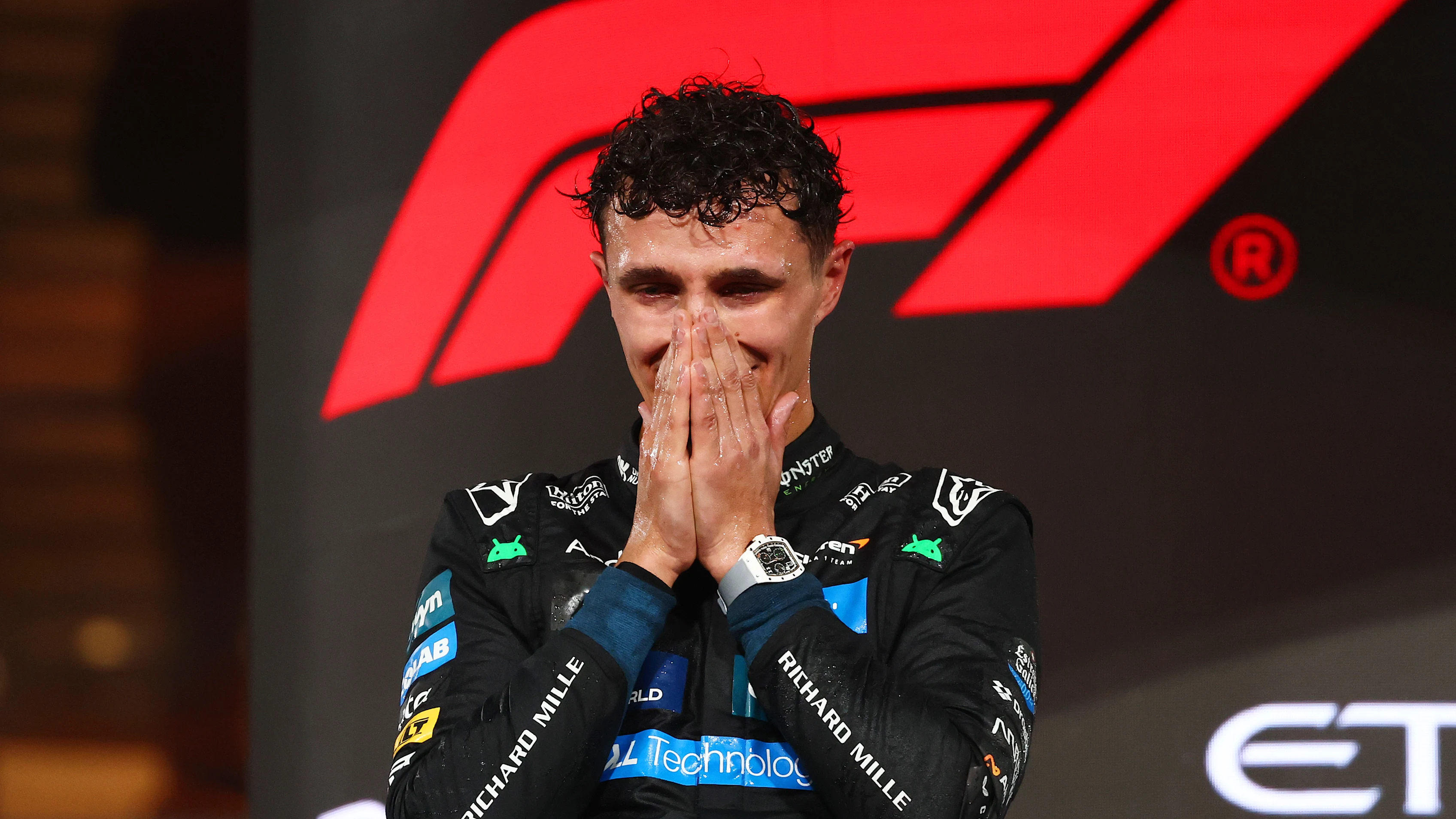
Leclerc's deeper frustration, however, is with the 2026 qualifying format itself. The Monégasque has been one of the more visible drivers in pre-season testing flagging the loss of pure qualifying push. Asked about the FIA's planned tweak to allow drivers more battery on the in-laps before flying laps, he was unconvinced.
"I don't think it will be a game-changer," Leclerc said. "I think it will be pretty similar — apart from for the driver, where maybe a little bit less lift and coast, which is I think a good thing."
The deeper request — and the one the FIA will struggle to satisfy inside the current power-unit envelope — is the one Leclerc made next.
"Whatever solution that helps us to push at the maximum [in] those cars, because that's what I love," Leclerc said. "That's what I love about this sport really — is when you get to Q3 and that you have the maximum pressure on you to deliver at best at that moment, and that you try and do a lap that you haven't done before. And at the moment, this is not possible because every time you do something that you haven't done [before], you compromise the lap straight away from a battery management point of view."

The articulation is the sharpest description of the 2026 qualifying problem from a frontline driver to date. Lando Norris has talked about engine sound dying mid-straight. Max Verstappen has labelled the cars his "least favorite." Leclerc's complaint operates at a different level: it is not the cars, it is the format. The moment that has defined his career — the Q3 lap with the maximum pressure, the lap that has never been driven before — has been removed from the toolkit.
The Ferrari context is what makes the frustration sharper. Ferrari is widely understood to have the best chassis on the 2026 grid in cornering speed terms, paired — by the team's own admission — with the wrong engine for the era. Leclerc, more than any other driver on the grid, has the car under him to set fastest laps in the corners but cannot stitch them together because the energy budget runs out before the lap is over.
The ADUO (Additional Development Units Of Power) catch-up rule the FIA confirmed for Honda and Audi this month does not help Ferrari. The 60/40 ICE-ERS rebalance scheduled for 2027 will. But for 2026 — with Mercedes already running away with the constructors' lead, and Antonelli sitting on three wins — Leclerc's framing is the most pointed version of Ferrari's strategic problem yet articulated.
"Annoy them in the first few laps," Leclerc said.
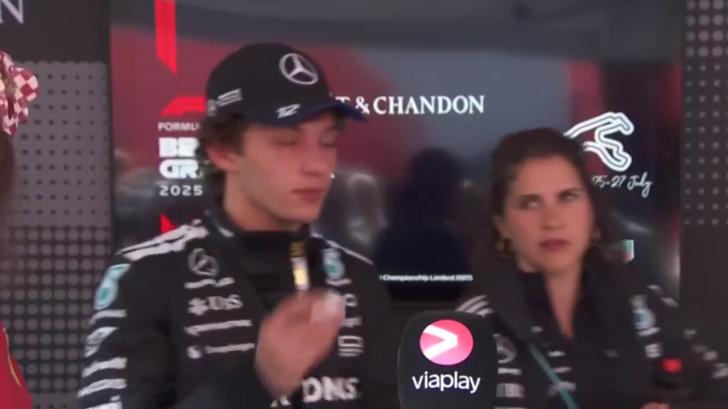
That is the Ferrari plan for 2026.
Full coverage of Leclerc's Japanese GP press session is available at NewsFormula.one.