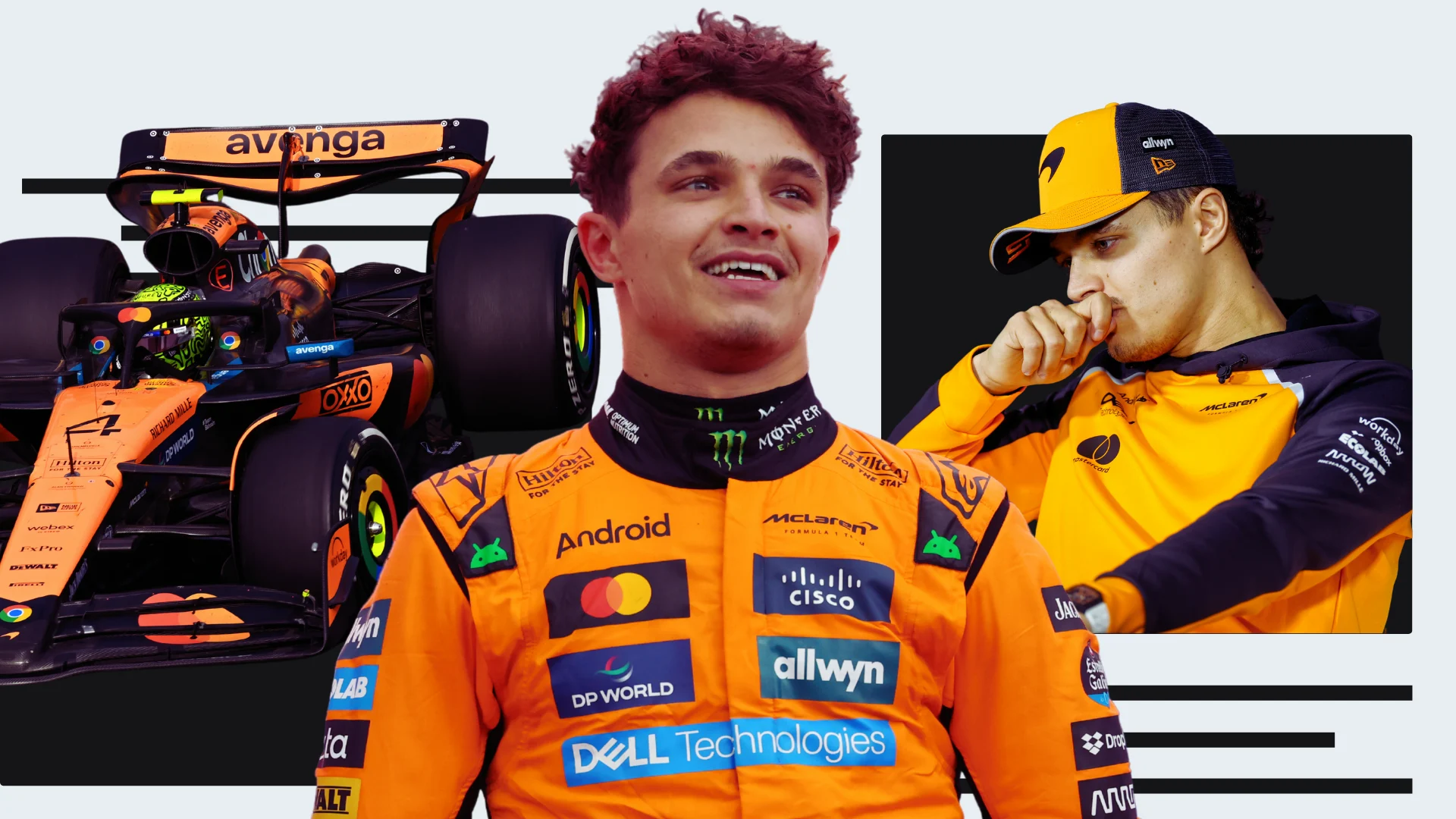
Formula 1's argument over its 2026 engines took a political turn in Budapest. Lando Norris, speaking before the Hungarian Grand Prix, pushed the debate past lap times and toward the sport's commercial choices — arguing the rules were bent to land Audi and other manufacturers, with drivers barely consulted.
"They listen but you can't just change your engine in the middle of the year and you can't change it even with one or two years' notice because it's not about making the best performance of a car … it's a business," the world champion said. To him, the money came first. "Everyone wants to make money, so in order for Audi and other teams to come in we had to change these things. It's a shame, it should never have been like that. But that's how businesses work."
What stung most was the lack of a say. "The biggest voice should always be ours as drivers," Norris said, "because we have the best idea of how racing should be, how it can be, what's possible, what's not." Yet, he added, "we have very, very little say and a lot more of it's done because if you can have Audi and other teams in it, it's a bigger win than the drivers being happy."
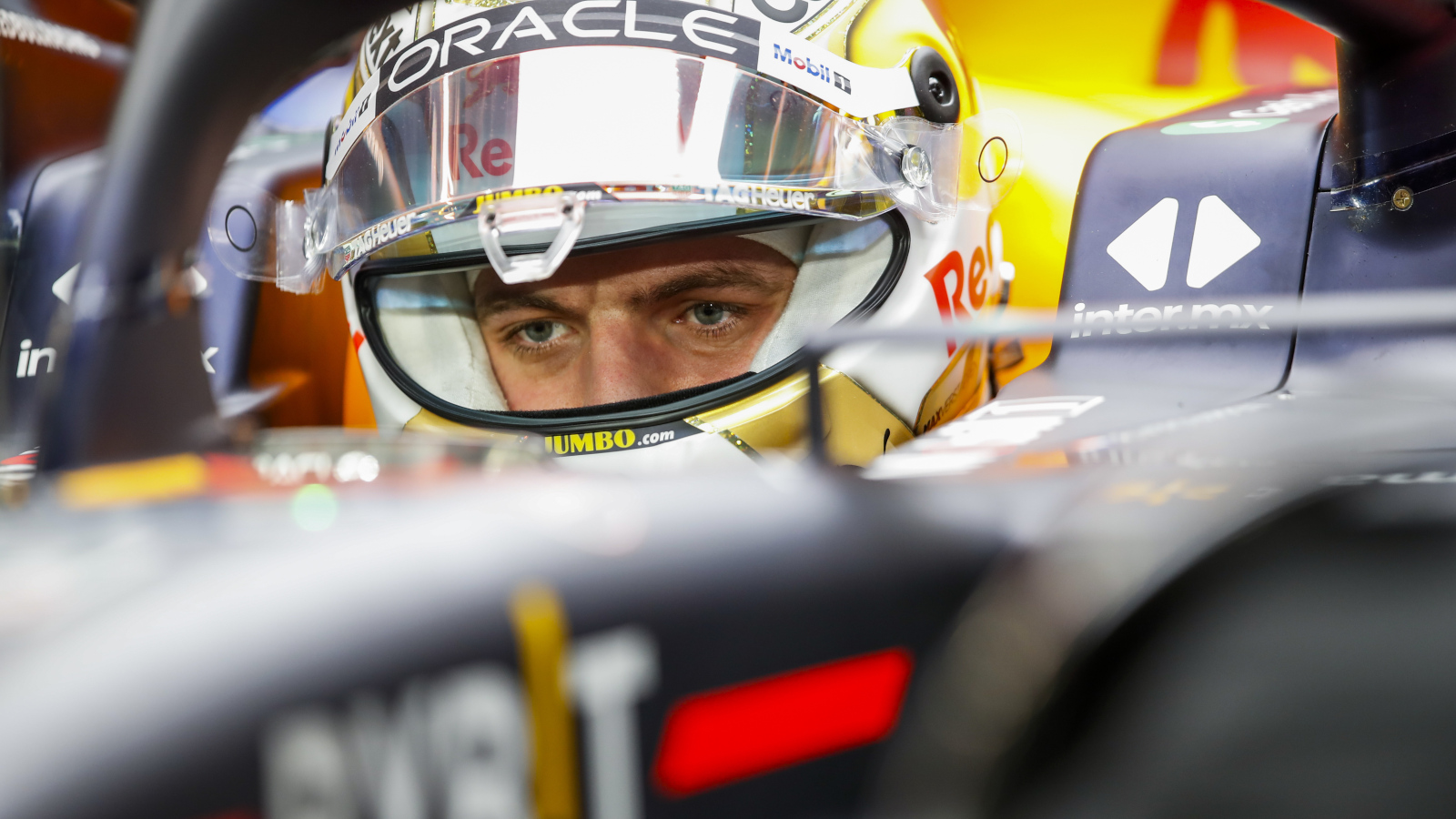
Max Verstappen has made the same case for months, and he now sees the paddock catching up. "I have spoken my mind about these regulations already for a long time," the Red Bull driver said. "In the beginning, most people were saying, 'Ah, he's complaining, he should shut up'. But I have to say that the last few races more and more people are saying the same thing that I could see coming already a long time ago." His motive, he insisted, is not results: "It's not about me not winning anymore, it's just because I care about the product."
Two energy-starved circuits — Silverstone and Spa — turned grumbling into open revolt, with cars forced to back off on the straights. Carlos Sainz was unsparing. "I think we all missed the qualifying of last year, especially at a track like this or Silverstone," he said. "I think everyone knows this is not good enough for Formula 1 and needs to be changed … it's clear that none of us are enjoying the cars as much as last year." Even the 2027 revisions, he suspects, will fall short: "Probably not. That's why for 2030 they are already planning a change because they know this is not the best." Oliver Bearman, in his rookie season, said he had less power on the straights than a Formula 2 machine.
The team side offered a calmer read. Haas principal Ayao Komatsu sees an over-engineered rulebook rather than a broken idea. "Honestly, I think we're trying to simplify the sport. I think currently it's just too complicated," he said. Because a tiny throttle variation can cost several tenths through the deployment maps, it has become hard to tell who is genuinely fastest — a distortion Komatsu called "something we all identified the need to avoid and improve as a sport. You know, to bring the control back to the driver."
The FIA is already sketching what comes next. President Mohammed Ben Sulayem confirmed he has opened talks with teams, drivers and suppliers over a future engine, and he made no secret of his leaning. "Personally, I think there is a need for a completely new engine concept, developed from scratch," he said. "The ideal solution would be a V8 that runs on sustainable fuel." That prospect lands awkwardly for Norris, whose grievance is exactly that the drivers saw this coming — and were the last to be heard.