Two weeks ago Red Bull was running a car its drivers were happy to call slow, unpredictable and difficult to drive. In Miami it qualified on the front row.
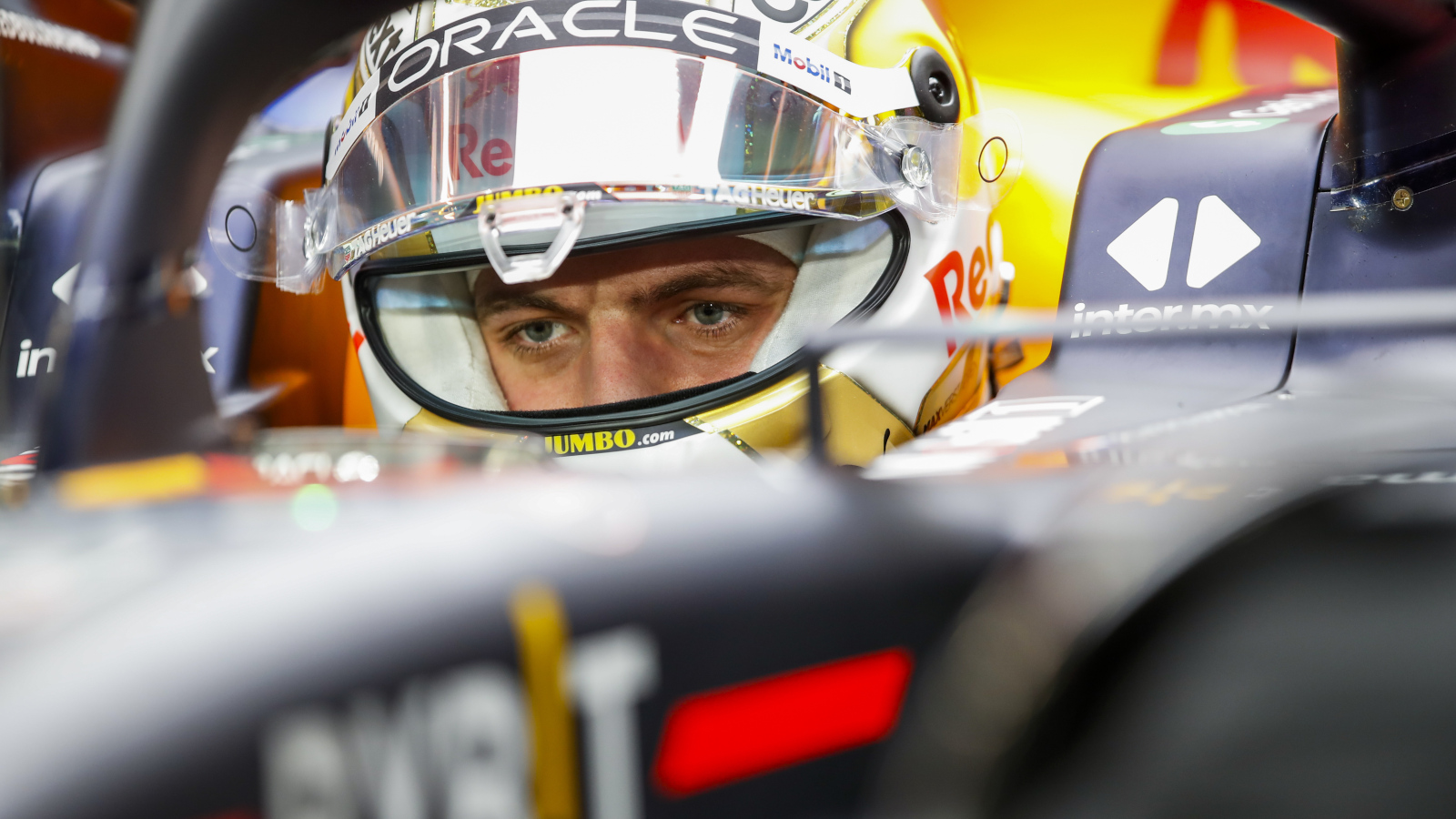
The transformation was driven by the most aggressive upgrade package Red Bull has signed off this year. It addressed enough of the team's deficit between the early flyaways and Saturday's sprint qualifying to halve the team's gap to the front. By Sunday qualifying, Max Verstappen was lined up second, less than two-tenths shy of pole position.
Verstappen's own framing was that anyone projecting that result after the Japanese Grand Prix would have been laughed out of the paddock. He had spent the Suzuka weekend openly describing the RB22 as slow, hard to read and tough to drive. Isack Hadjar, sitting next to him in the post-race press conferences, had been just as blunt. Two weeks of upgrades later the Red Bull was a quietly competitive car again.
What the race did not provide was a clean read of how good that car has actually become.
The big moment came on lap one. Leclerc passed Verstappen into turn one. Verstappen tried to recover the place at turn two and slid the car through 360 degrees, dropping deep into the pack. The recovery drive that followed required some aggressive overtaking and was probably fortunate to avoid further trouble. Red Bull then gambled on a very early safety-car pit stop, which committed Verstappen to 51 laps on hard tyres he liked far less than the mediums.
Fifth was the salvage. He was also fortunate Leclerc's late-race penalty kept him clear of sixth, given his own five-second penalty for crossing the white line at pit exit.
Hadjar's race was harder still. A Red Bull floor infringement disqualified him from qualifying. His pit-lane recovery lasted four and a half laps before a careless wall strike ended his afternoon. The second car, on a weekend the package had finally come alive, was again invisible by the flag.

Verstappen has not changed his public position on the 2026 regulations. He remains one of the sport's loudest critics of the new rules. He did, however, concede that he was happier in the cockpit in Miami than he had been at any race so far this season — a small but telling shift.
The useful question now is whether the Miami performance is portable. The circuit's stop-start layout flatters cars with strong braking, and the heavy energy regeneration windows favoured an upgraded RB22 that may have specifically targeted those weaknesses. Canada will tell Red Bull whether the same package translates to a circuit with longer straights and harder energy management. Monza, Las Vegas and the Red Bull Ring will tell the team whether the gain holds in genuinely energy-poor conditions.
For a team that started 2026 sitting inside Verstappen's bleak public reviews, simply having a competitive car to work with is real progress. The next test is keeping it on the track on lap one.
This is a reworded write-up of analysis published originally at newsformula.one.