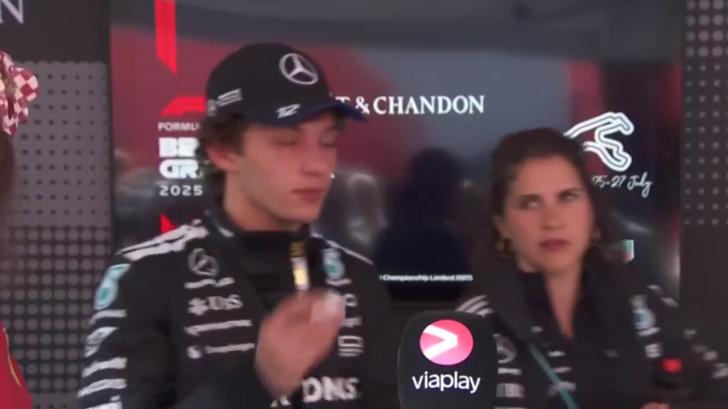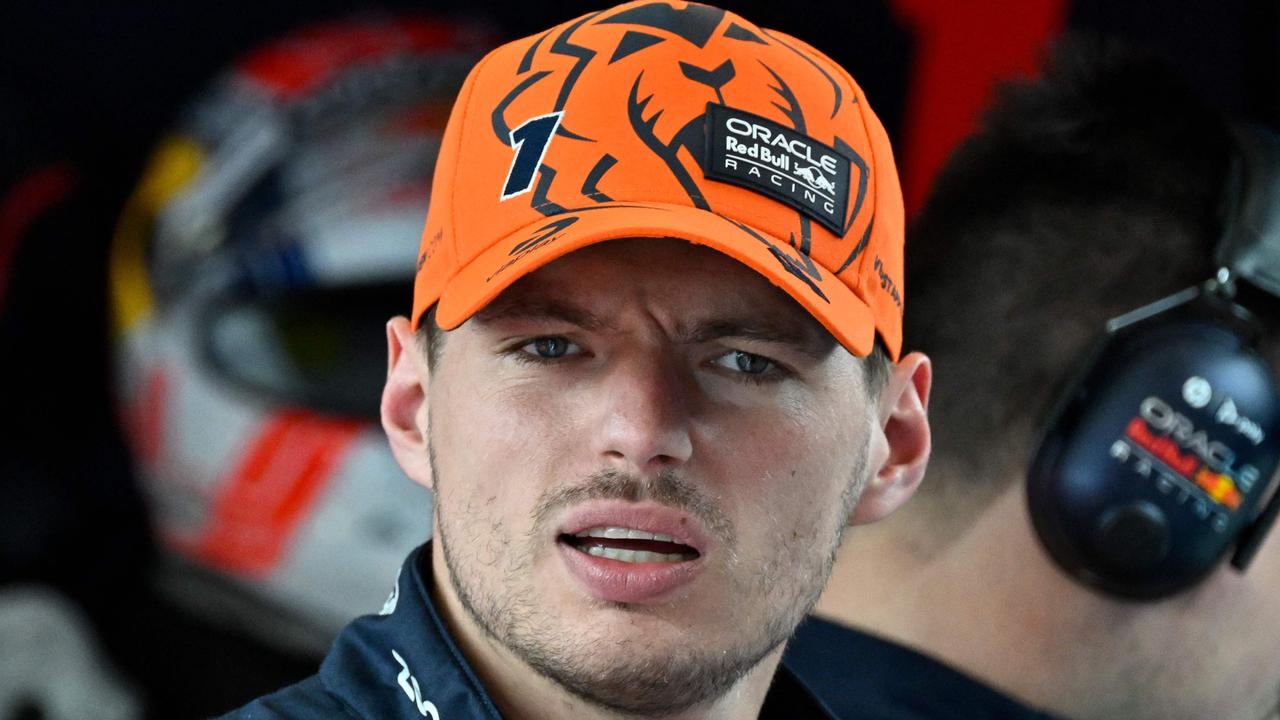
For twenty and a half hours of the 24-hour race at the Nurburgring, the number 3 Mercedes-AMG GT3 driven by Max Verstappen, Jorg Muller, Daniel Juncadella and Ryo Hirakawa was leading the field. With three and a half hours to go, a drive shaft failure on Juncadella's stint dragged it back into the garage and handed the win to the sister number 80 car.
The collapse was visible on the timing screens before the cameras caught it. Verstappen had handed the car back to Juncadella with a 30 to 45-second cushion after a double stint that senior officials at the circuit later described as a master class of overtaking. Two laps later, the gap was down to 14 seconds. The next update put it at three. Then the number 80 was past, and the lead of the Nurburgring 24 was gone.
The diagnosis came from Hirakawa, who took over later in the morning. "I came out of the pits, everything was fine. But after about a third of the lap, I saw an ABS fault message that kept flashing on and off," he said. "I reset the message and that was okay, but then I realised there was no ABS. I was driving without it, but it wasn't too bad. I could manage it. I adjusted the brake balance and the car was still controllable."
The ABS warning was the symptom. The cause was mechanical. "It started to get worse. The car became undrivable. Something was about to break and he had to slow down. That's when the number 80 takes the lead," Hirakawa explained. "I drove slowly back to the pits. We found a problem with the drive shaft. Then that caused extra collateral damage to the rest of the car. That's probably what caused the issue where the electronics went haywire and the ABS went off."
The car was repaired in time to be sent back out for a classified finish. It crossed the line in P20 of the SP9 GT3 class and 38th overall — a long way from the Nurburgring 24 victory the entry had looked destined to take.
Hirakawa was at pains to rule out driver error. "We drove very carefully the last six or seven hours because both cars were in very good position. There was no reason to take risks. We didn't abuse the curbs. We were just careful," the Japanese former Toyota factory driver said. "The drive shaft was totally new. We'll be back next year. It's endurance racing at the end of the day. These things happen, but it's so brutal to happen in this manner when you've driven such a perfect race."
Verstappen himself had already signalled the appetite for a return before the failure unfolded. Speaking after stepping out of the car at the end of his final stint, he said: "I've tried to keep the car safe. It feels good. You know, I nearly had an accident. That was when the two Porsches collided. I'll try and come back next year depending on my agenda."

That agenda is the part Formula 1 will now have to navigate. Verstappen's Nurburgring appearance pulled an unusually large F1-fan audience to a 24-hour endurance race this weekend. With the four-time champion already telling reporters at Suzuka that he is using the gaps in his schedule to "think about life," the Eifel mountains have given him the clearest reason yet to make sure 2027's F1 calendar leaves him a free weekend in late May.