
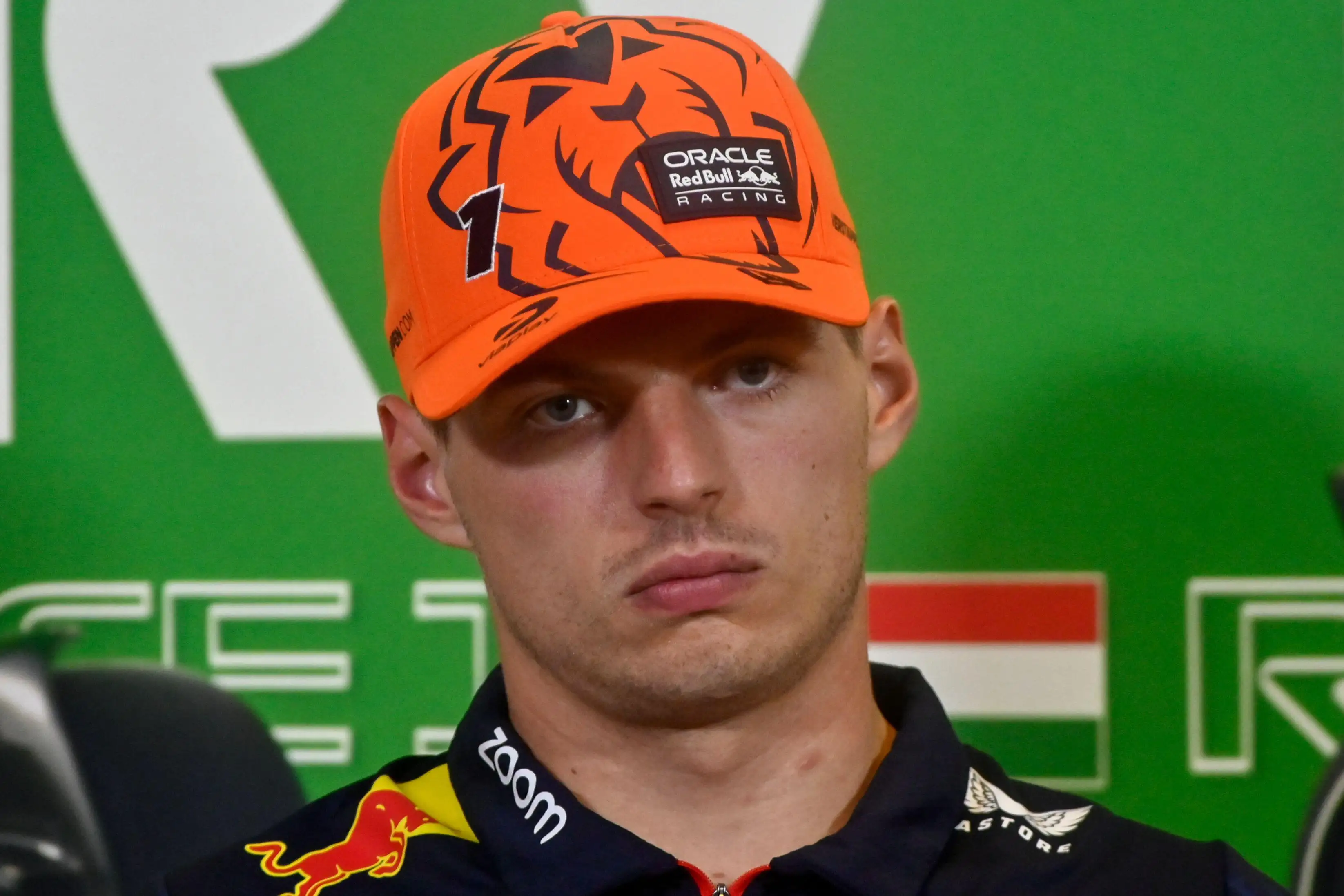
Twelve years on from the most spectacular collapse of a Red Bull champion in modern F1 history, the same team finds itself living through a version of the same story. In 2014, Sebastian Vettel — fresh off four consecutive titles — was systematically outqualified, outraced and ultimately outflanked by his new teammate Daniel Ricciardo. By the end of that season Vettel had quietly arranged his exit to Ferrari. By the start of 2015 he was gone.
Max Verstappen's 2026 season is not yet that story. But the F1 Yapathon podcast, dissecting his Japanese GP weekend, has openly drawn the line.
"How many of you remember Sebastian Vettel's 2014 season at Red Bull? You know, fighting the car and getting outqualified by your new teammate," the F1 Yapathon host said. "Well, it seems like Verstappen's 2026 season is the exact same thing. He got knocked out in Q2 by a VC car."
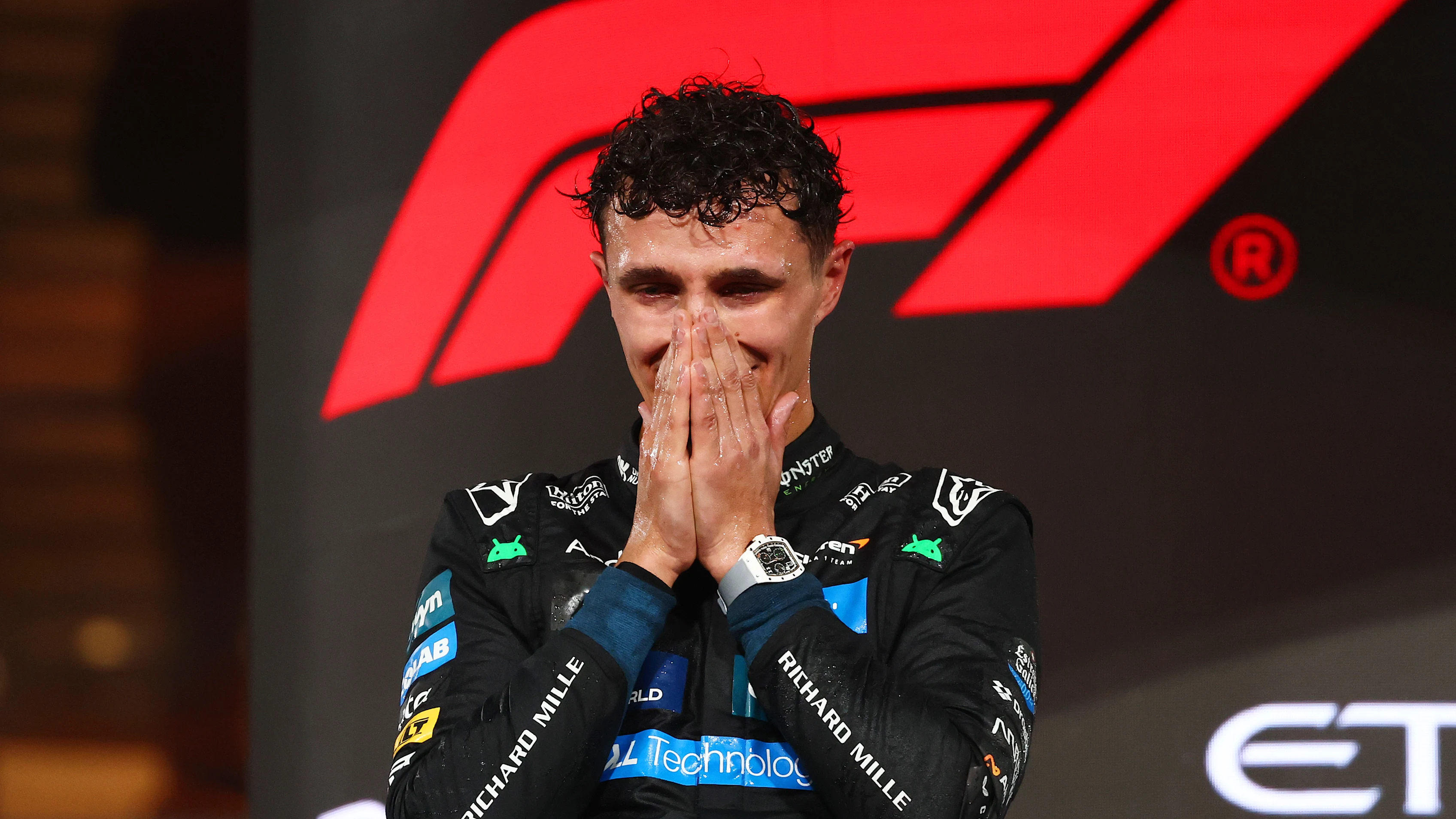
The VC car is the Visa Cash App RB — the renamed sister team — and the driver who beat Verstappen to Q3 at Suzuka was Isack Hadjar. A junior driver, in a junior team's car, ahead of the four-time champion through the most demanding qualifying lap on the calendar. Verstappen's own response to the weekend was uncharacteristically resigned.
"Yeah, but I think we have bigger problems than what we had last year," Verstappen said. "Some parts of the car at the moment are not working how we want them to."
The Vettel parallel is interesting precisely because the symptoms align. In 2014, Vettel was undone by a regulation reset — the switch from V8s to V6 hybrids — that handed the advantage to Mercedes. His Red Bull was the worst-handling car of his career, and Ricciardo, who had come up through Toro Rosso under a less rigid setup philosophy, simply adapted faster.
In 2026, the regulation reset is the move to 50/50 ICE-ERS power units, active aerodynamics and the new ride-height window. Mercedes again has the dominant power unit. Red Bull, with Honda's reworked Sakura facility behind it, is fighting to extract the same lap time. And the Hadjar quote — that the chassis, not the engine, is the bottleneck — fits exactly the same diagnostic pattern Vettel's engineers were working with at the end of 2014.

The other piece of the parallel is what happens next. In 2014, Vettel's exit was officially about fit, philosophy and a new challenge. Unofficially it was about the politics inside Red Bull and the realisation that the car could not be developed back to a championship platform inside one regulation cycle.
The Verstappen-McLaren-Mercedes rumour mill, all spring 2026, has followed a near-identical choreography. Officially nothing has changed. Unofficially the conversations are happening. Gianpiero Lambiase has been quietly named in McLaren reports. Mercedes has not denied interest. Helmut Marko has openly conceded the situation is delicate.
What distinguishes Verstappen's 2026 from Vettel's 2014, the F1 Yapathon host conceded, is the political weight. Verstappen is the centre of gravity inside Red Bull rather than the casualty of it. Whoever else loses out from the team's restructuring, it will not be him.
But as a snapshot of where 2026 sits, the comparison is fair. A champion accustomed to leading a programme is being asked to make peace with a car he openly dislikes, under a regulation he has publicly criticised, while a younger Mercedes driver — Kimi Antonelli, with three wins from the opening races — collects the trophies. Vettel's 2014 ended with the championship lost and the exit door already chosen. Verstappen's 2026 has not reached either of those conclusions yet. But the script is recognisable.
This is a F1 Drive editorial perspective. The original report appears at NewsFormula.one.