
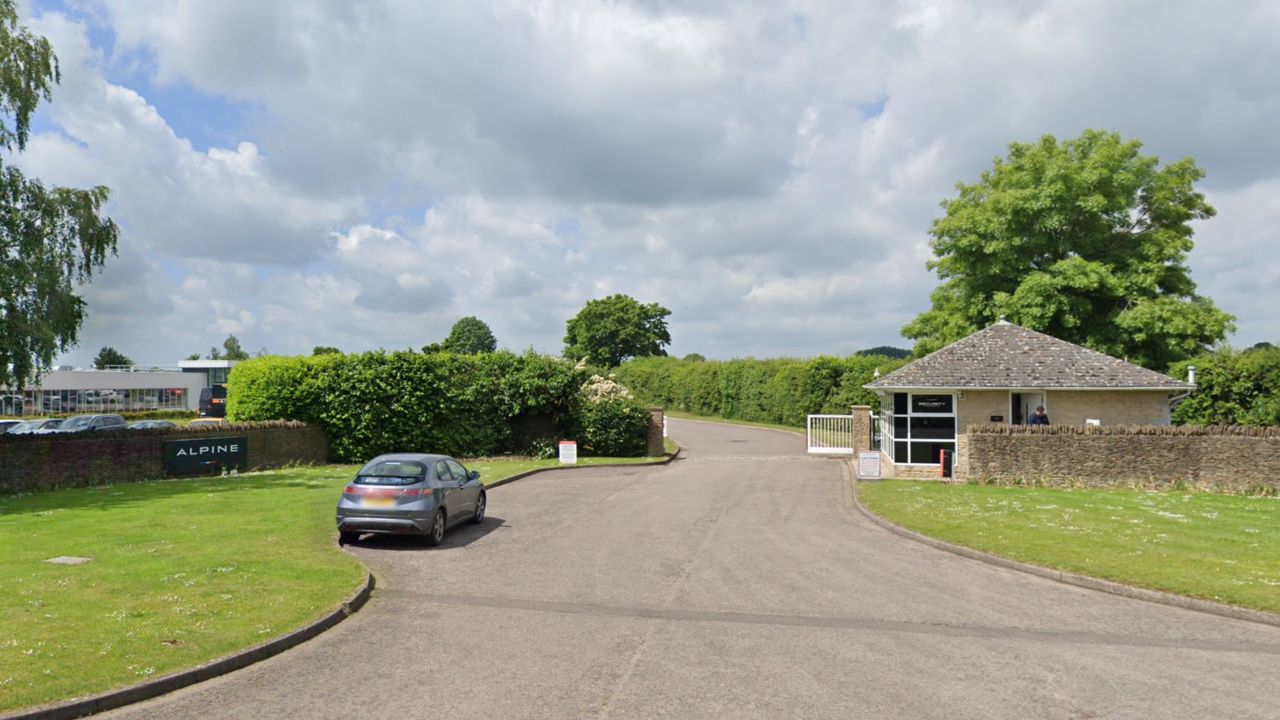
Whiteways Technical Centre
Hidden away in the countryside of Oxfordshire, Whiteways Technical Centre represents one of Formula 1's most intriguing yet secretive facilities, serving as a crucial testing and development venue for some of the sport's most prestigious teams. Unlike the glamorous permanent circuits that host Grand Prix weekends, this private facility operates away from the public eye, where cutting-edge automotive technology meets the relentless pursuit of marginal gains that define modern F1. The facility emerged during an era when Formula 1 teams recognized the critical importance of private testing venues, allowing them to develop and refine their machinery without the constraints and scrutiny that come with public circuits. Whiteways Technical Centre was conceived as more than just a test track – it was designed as a comprehensive technical facility where aerodynamic theories could be validated, chassis setups perfected, and drivers could familiarize themselves with new regulations or car configurations in complete privacy. What distinguishes Whiteways from traditional racing circuits is its purpose-built nature specifically for technical development rather than wheel-to-wheel racing. The track layout incorporates a variety of corner types and configurations that allow engineers to test different aspects of car performance across a range of scenarios. The facility features medium and high-speed corners that enable teams to evaluate aerodynamic packages and suspension setups, while tighter technical sections provide opportunities to assess mechanical grip and low-speed handling characteristics. The surface characteristics at Whiteways have been carefully engineered to provide consistent grip levels and tire wear patterns that teams can correlate with data from Grand Prix venues. This consistency proves invaluable for development work, as engineers can establish baseline performance metrics and accurately measure the impact of various technical modifications. The track's relatively compact nature means that teams can complete numerous testing cycles within a single day, maximizing the efficiency of their development programs. One of the facility's most significant advantages lies in its flexibility and adaptability. Unlike permanent racing circuits with fixed layouts, certain sections of Whiteways can be modified or reconfigured to simulate specific corner characteristics found at various Grand Prix venues around the world. This adaptability allows teams to prepare for upcoming races by recreating similar corner speeds, banking angles, or surface conditions they expect to encounter during the championship season. The technical infrastructure supporting the track rivals that found at any major Grand Prix circuit. Sophisticated timing and data acquisition systems capture thousands of data points during each test session, while high-speed cameras and telemetry equipment provide detailed analysis of car behavior and driver inputs. The facility's pit and garage complex offers teams a controlled environment for car preparation and between-session modifications, complete with the specialized equipment necessary for modern F1 operations. Weather conditions at the Oxfordshire location provide teams with valuable testing opportunities across different scenarios. The changeable British climate means that teams often encounter varying track conditions during extended test sessions, allowing them to evaluate wet weather setups and intermediate tire compounds alongside their dry weather development programs. This unpredictability, while occasionally frustrating for test schedules, provides invaluable real-world data that proves crucial during unpredictable race weekends. Security and confidentiality remain paramount concerns at Whiteways Technical Centre. The facility operates under strict access controls, with teams able to conduct their development work without fear of competitor surveillance or media scrutiny. This privacy proves essential during the development of new aerodynamic packages, engine mappings, or strategic innovations that teams prefer to keep secret until race weekends. The isolated location further enhances this confidentiality, allowing teams to test radical car configurations or experimental components away from prying eyes. The venue has witnessed numerous significant moments in Formula 1 development, though many remain shrouded in secrecy due to the competitive nature of the sport. New car launches, rookie driver evaluations, and the testing of experimental technologies have all taken place within the facility's confines. While specific details rarely emerge publicly, the impact of development work conducted at Whiteways often becomes apparent during subsequent Grand Prix weekends when teams unveil performance improvements or strategic innovations. Driver development represents another crucial aspect of Whiteways' operations. The facility provides young drivers with opportunities to gain experience in current-specification Formula 1 machinery without the pressure and public scrutiny associated with official test sessions at Grand Prix venues. Reserve drivers, academy prospects, and even established racers returning from injury have all utilized the facility to maintain or develop their skills in a controlled environment. Currently, Whiteways Technical Centre continues to operate as a vital component of Formula 1's development ecosystem. As the sport's technical regulations become increasingly complex and the margins between competitors continue to shrink, the importance of facilities like Whiteways only grows. The venue adapts to accommodate new technical requirements, whether related to hybrid power unit development, advanced aerodynamic testing, or the evaluation of sustainable fuel technologies that will shape F1's future. The facility's ongoing relevance in modern Formula 1 reflects the sport's evolution from a primarily weekend-based activity to a year-round technical development race. While fans may never witness the innovations and breakthroughs that occur at Whiteways Technical Centre, the facility's contribution to the spectacle and competitiveness of Grand Prix racing remains both substantial and enduring, cementing its position as one of Formula 1's most important yet least visible venues.