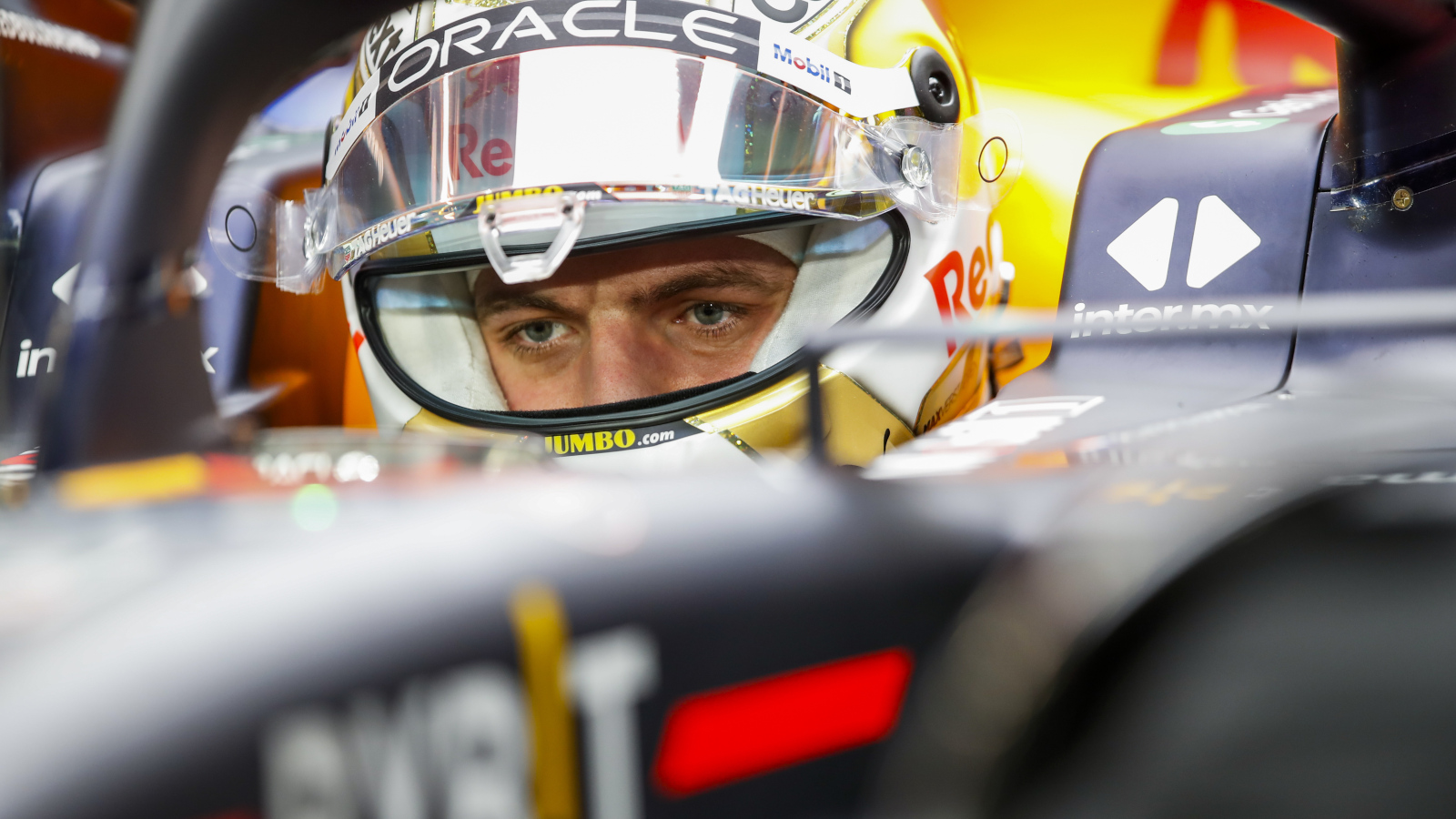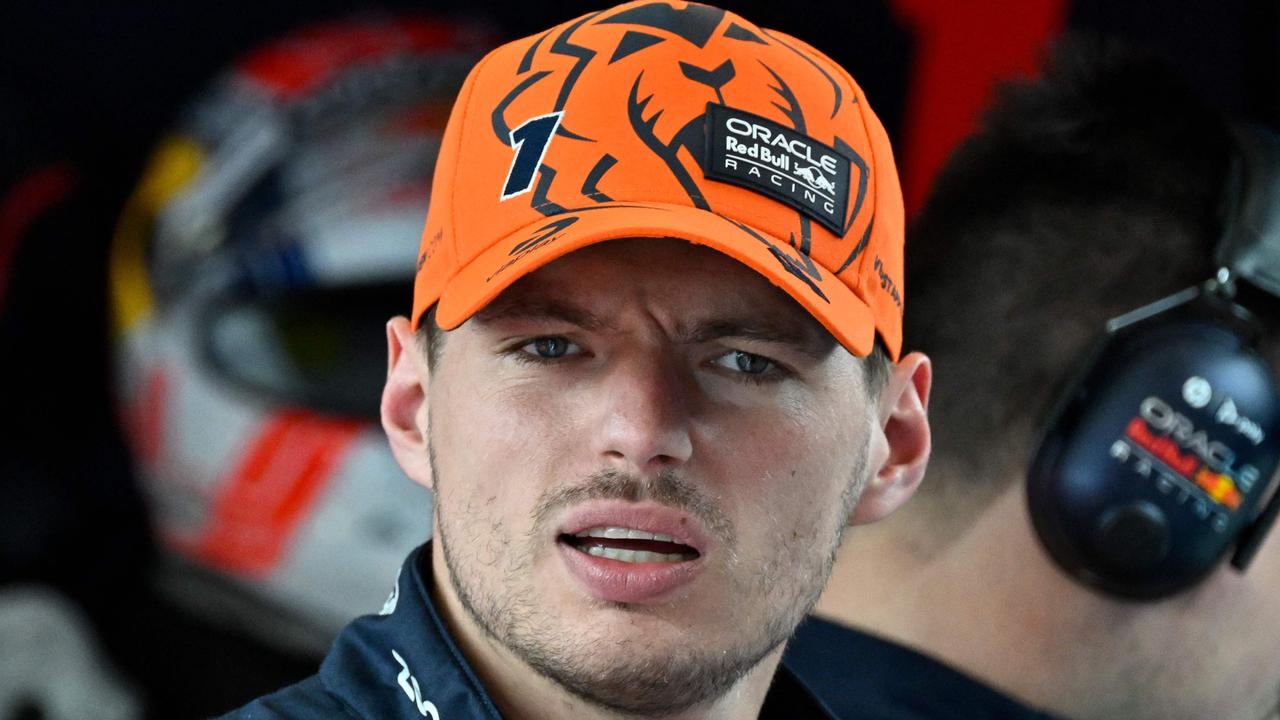
The battery state-of-charge readout that F1 put on screen in Melbourne back in March has largely vanished, and at Silverstone and Spa the world feed carried no battery, speed or braking data at all. Both are energy-limited circuits where drivers had less to deploy and cars were visibly backing off on the straights. The graphics reappeared in Hungary, a track where deployment barely matters.
Stefano Domenicali rejected the idea that anything is being taken from viewers.
"The truth is exactly the other way around, because no one is interested in how you drive your car," the F1 president and CEO said. "People are interested if you're overtaking or not. That's the vast majority of the people."
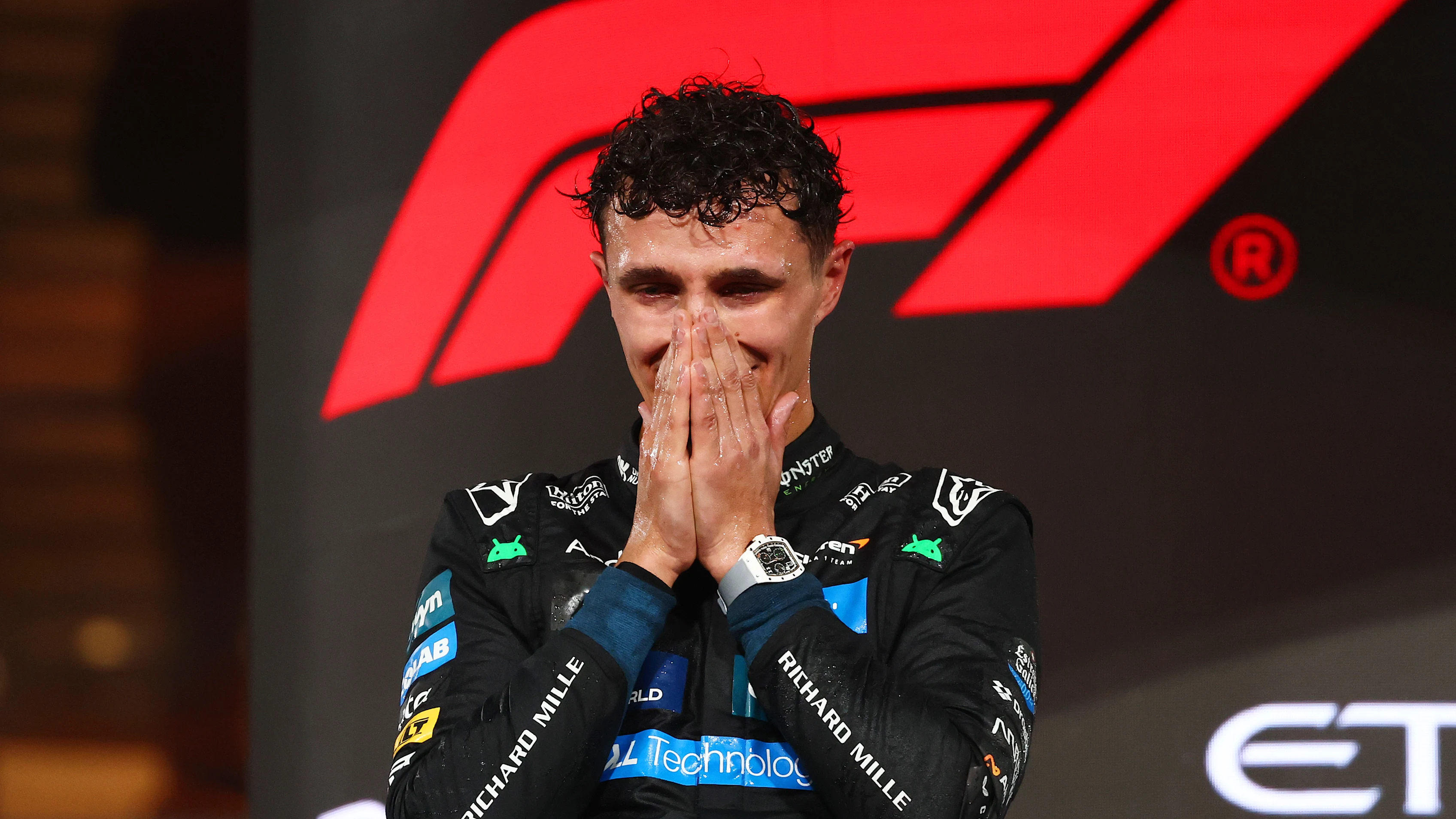
His supporting evidence came from an unexpected direction. George Lucas was a guest at the Hungarian Grand Prix, and Domenicali said their conversation clarified his view of the newer audience.
"I had an incredible and interesting discussion with George Lucas on Saturday," he said. "He was in Hungary and gave me an incredible view on how the new fans are watching Formula 1... They are fascinated by the fact that there is a lot of action."
He offered Max Verstappen's first-lap pass on Liam Lawson and Lewis Hamilton at the Hungaroring's Turn 1 as the product in its purest form, and insisted nothing has been withdrawn from those who want detail: "Of course, for a niche of our fans, this data is relevant and of course it is available."
Edd Straw of The Race, who asked the original question, was not persuaded. His case is that the battery figure is not decoration — it is the piece of information that makes an overtake legible.

"It is an absurd shortcoming given how crucial the state of charge is to understanding not only the moment of the overtake, but the context around it in the build-up and aftermath," Straw wrote.
He also flagged the contradiction. F1 invests heavily in telemetry overlays, F1 TV depth and the AWS strategy insight tool that debuted in Hungary. If viewers want all of that, why not the one parameter that determines who can attack and who cannot? "Lucas's argument is the right one for a filmmaker, but it is not what I want to see from sporting coverage," Straw concluded, before raising a harsher possibility: that F1 knows how weak a pass looks once the screen shows it was won with a few hundred horsepower of offset.
Scott Pye put it less diplomatically. The Red Bull Supercars driver used his Apex Hunters podcast to reject the framing outright.
"For Stefano Domenicali to sit there insulting the fans, does anyone here actually care about the graphics on the halo that have been removed? I know I do. I care," Pye said.
His broader argument, expressed in rather stronger terms, was that hiding the number does not hide the behaviour — anyone can see a car slowing halfway down a straight — and that a Hollywood director is a strange person to consult about what hardcore racing fans want on screen.
Adam Cooper, writing in Road & Track, read the exchange as evidence of a split audience: a CEO calibrating the broadcast for fans who arrived via Drive to Survive, at the expense of those who came for the engineering.
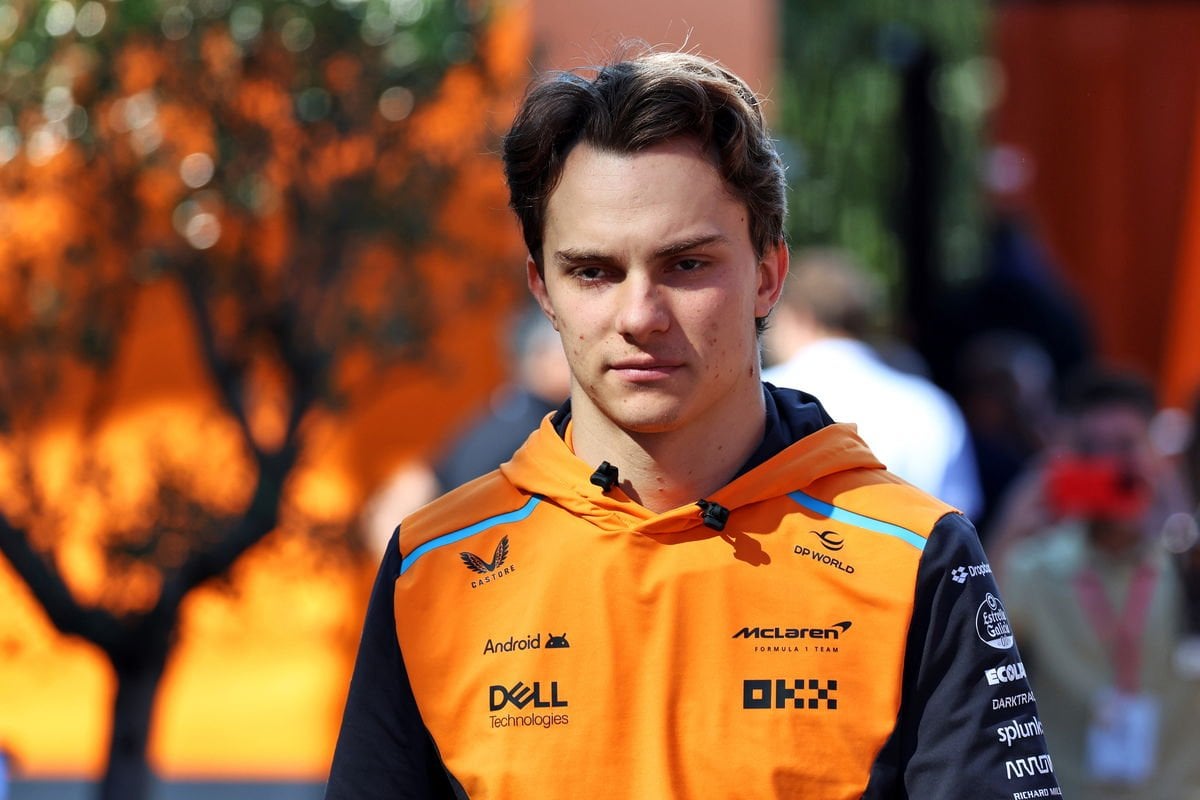
On the separate matter of drivers publicly attacking the 2026 rules — Verstappen most persistently, Oscar Piastri more recently — Domenicali was conciliatory.
"We are not here to put the tape on the mouth of anyone," he said. "The beauty of our sport is that everyone can have an opinion, but the opinion is an opinion."
Zandvoort on 23 August, where energy management will matter again, will show whether the graphics come back.