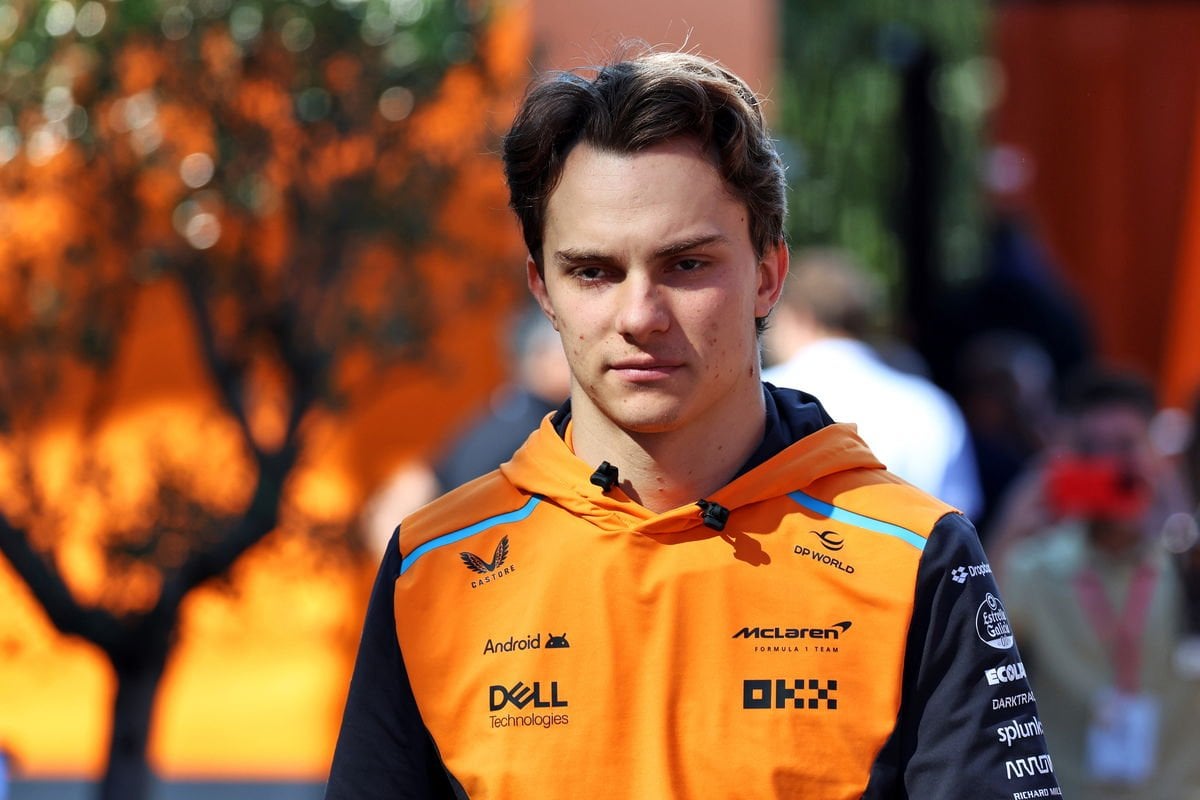
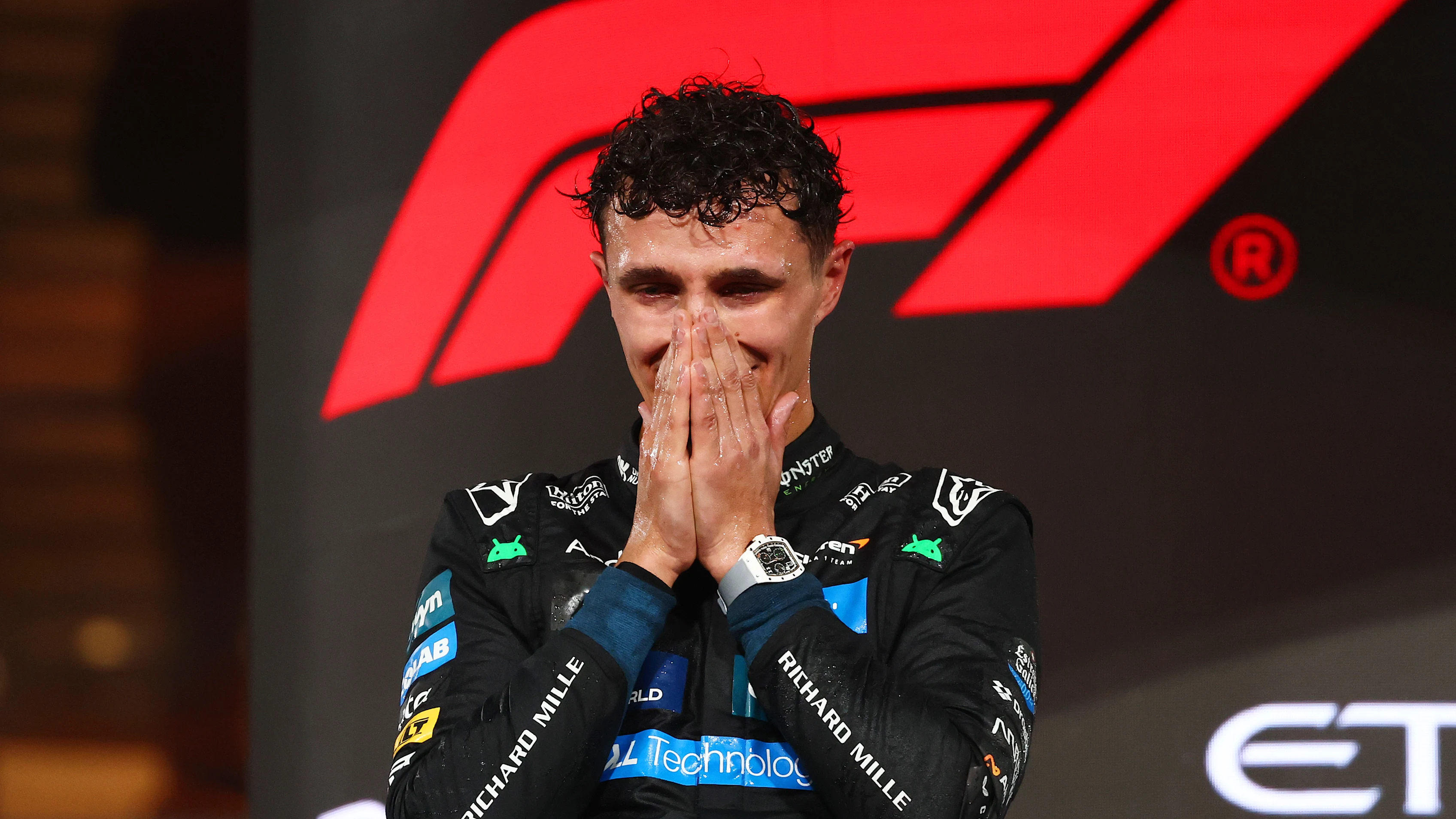
McLaren left Hungary with its first win of 2026 and an increasingly awkward question. Lando Norris took the victory. Oscar Piastri led the first lap, then lost a gearbox on lap 56, and heads into the break seventh in the standings.
The season-long ledger is more damning than any single result: Norris leads the intra-team qualifying count 7-4, and holds a 4-0 record in both sprint qualifying and sprint races.
David Croft thinks McLaren has run out of room to treat both drivers identically.
"Oscar Piastri is a fine, fine driver, but in 2026, he finds himself not having the pace of his teammate," the Sky Sports commentator said on The F1 Show. "Not just in Budapest, but I think consistently over race weekends, he hasn't had as much pace as Lando."
The two-number-one policy has been McLaren orthodoxy since Piastri joined, and it survived the 2025 championship. Croft's point is that a team now oscillating between second and fourth quickest cannot afford the luxury.
"McLaren have got to give both drivers as big a chance as they can to do as well as they can, but they can't ignore the fact that one driver is going to go on and win the race and the other's going to come under pressure if they keep him out in front," he said.
He was careful to separate that from Hungary itself, where Norris requested an undercut on his teammate, was turned down, and overtook on track anyway.

"I think McLaren actually did a decent job with the strategy," Croft said. "I didn't see anything to complain about, but Oscar's got to find a way to match Lando's pace. If he can't, then I think McLaren, with Mercedes as fragile as they are and Ferrari's strategy as fragile as it is, have got to find every way to maximise every advantage."
Jolyon Palmer arrives at a different explanation from the same race. Reviewing the Hungarian Grand Prix, the ex-Renault driver put the gap down to hard-tyre management and cornering technique rather than commitment.
"Lando actually seemed happier to let the car slide around a little bit more than Oscar, who wasn't enjoying his feeling of grip on the hard tyre," Palmer observed.
The decisive difference, he argued, came at corner entry: "More critically, it seemed Lando's style of slowing the car down and rotating it earlier meant that he prioritised the slower-speed corner exits and was enjoying more straight-line traction, rather than combined forces, which Oscar leant on more."
It is a familiar weak spot. Piastri's 2025 title challenge unravelled partly on low-grip circuits where the rear end moves around.
Piastri, speaking to his own team at the midpoint, does not contest the numbers. He describes a year spent relearning the job.
"Definitely up and down," he said. "I think our kind of general level of performance has not been quite where we want it to be, obviously. We've come close to some victories and had a few podiums, which has been good, but we obviously set the bar pretty high last year."
He is blunt about how much the regulations changed. "This regulation change has been like a completely fundamental change to how you drive a race car, in some ways. It's been a huge reset for us, for me as well."
Austria, where he recovered to fourth after a rough weekend in Barcelona, is the result he holds up. "It's quite easy to just settle into your normal rhythm and do the things you've always done, but that doesn't always work in these cars," he said. "In Austria I felt like I really had to stretch myself a bit more and try some new things."
And he sees a use for a season without title pressure — which is precisely what Croft has no patience for. "The stakes aren't quite as high at the moment as what they were," Piastri said. "There's a little bit less pressure, which means you're able to try new things and experiment a little bit more."
Croft wants a call made before the constructors' title slips away. Palmer implies the issue is a technical one that does not require it. Piastri is siding with Palmer, with simulator work booked and Zandvoort on 23 August as the deadline.