Formula 1 has blinked on its own engine rules. The FIA's World Motor Sport Council has signed off on changes that push the balance of the power unit back toward the combustion engine in 2027, with a second step in 2028 — a direct response to a season of driver grumbling about how much the racing now hinges on battery energy.
Here's what actually changes. From 2027 the combustion-to-electric split becomes 58/42: the combustion engine climbs from 400kW to 420kW, helped by a five percent bump in fuel flow, while the electric motor's regular output falls from 350kW to 300kW. A year later it reaches 60/40 with the combustion side near 450kW. Crucially, the overtake boost holds at 350kW, and cars will be allowed to harvest more energy than before.
FIA president Mohammed Ben Sulayem presented the move as ongoing fine-tuning. "The FIA continues to oversee the evolution of the 2026 Regulations and work closely with all key stakeholders across the motorsport community," he said, adding that "continuous dialogue and collaboration are essential to ensuring that the regulations meet the needs of the sport, its drivers, and its fans." The FIA says the goal is to "address issues related to energy management and fuel energy flow characteristics and make qualifying more flat-out."
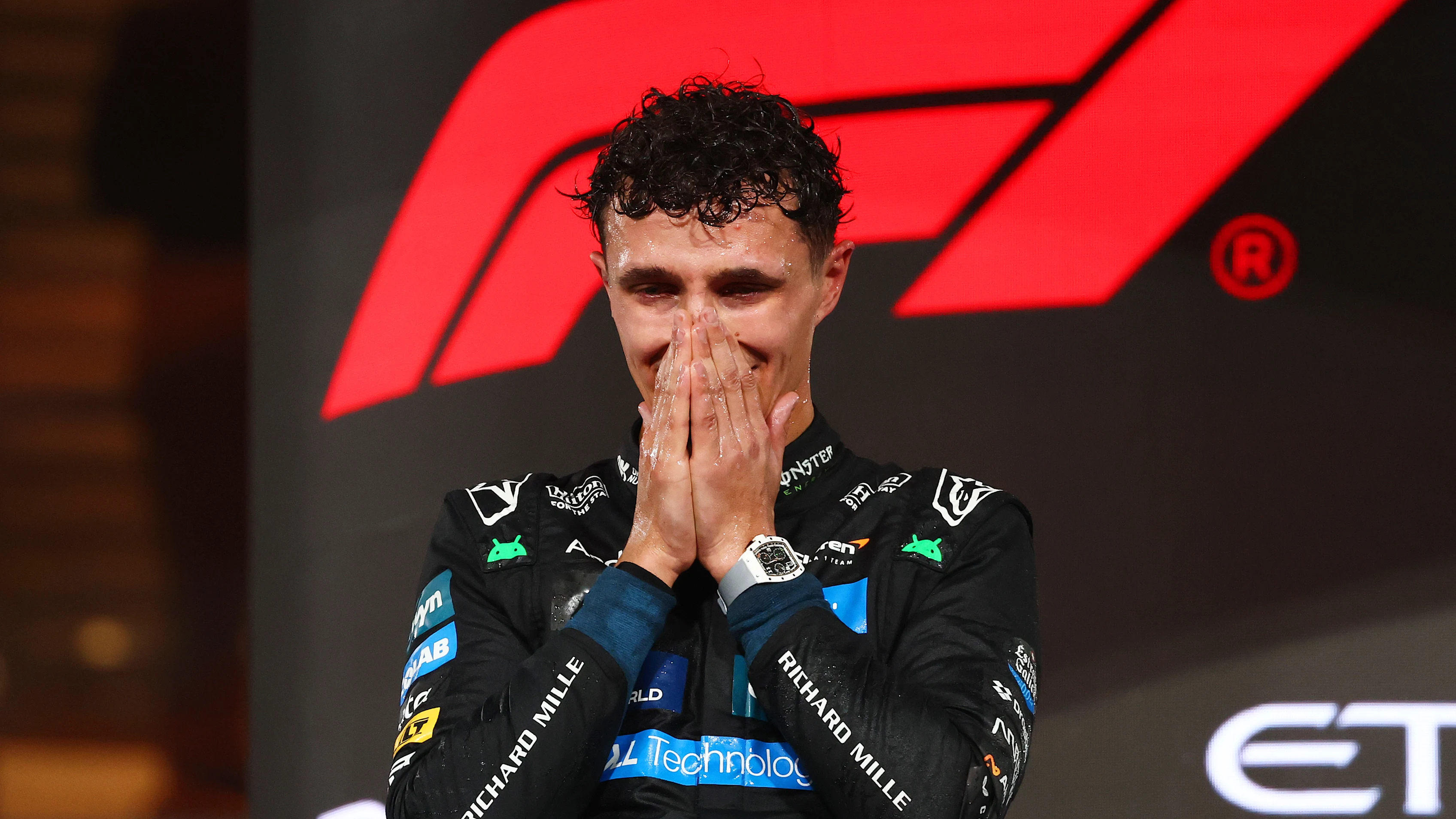
Max Verstappen, one of the loudest critics of where the sport was heading, welcomed it. "It's definitely heading in a very positive direction. It's the minimum I was hoping for, and it's really nice that that's what they want to do," he said, before linking it to his own outlook: "I just want a good product in Formula One, and that will for sure improve the product. Naturally I think then the enjoyment will go up as well."
Oscar Piastri took it as proof the drivers were listened to. "I think they're a step in the right direction," he said. "The further step in 2028 is even more of a step in the right direction. Our feedback as drivers has been taken on board, which has been good."
Fernando Alonso isn't sold. The Spaniard, who has mocked the 2026 formula as a "battery world championship," believes the flaw is baked in. "The DNA of these power units will always be the same, and it will always reward going slow in the corners," he said, lamenting that the sport "lost a little bit of nearly one decade or even more of pure racing." Carlos Sainz wants a bolder return to "real" engines, drivers going flat out "without constantly worrying about battery usage and energy saving," while Liam Lawson argued the cars still need to feel aggressive and sound the part.
The council signed off on more than engines. Pre-season testing grows from three days to four given the "general complexity" of the machinery, reconnaissance laps get capped at tracks like Monza, and race distances can be trimmed by a lap or two if required. For the rest of 2026, wet-weather boost mode returns in limited form — topping up power as cars back off on the straights, without handing them extra pace.

None of it tears up the 2026 project; it files down the edge drivers complained about most. Whether that keeps the likes of Verstappen invested is the thread the paddock will keep pulling.