Before a single 2026 car has turned a wheel in anger, Formula 1 is already plotting the engine that comes after it. The blueprint points backwards as much as forwards — to a lighter, cheaper, louder V8.
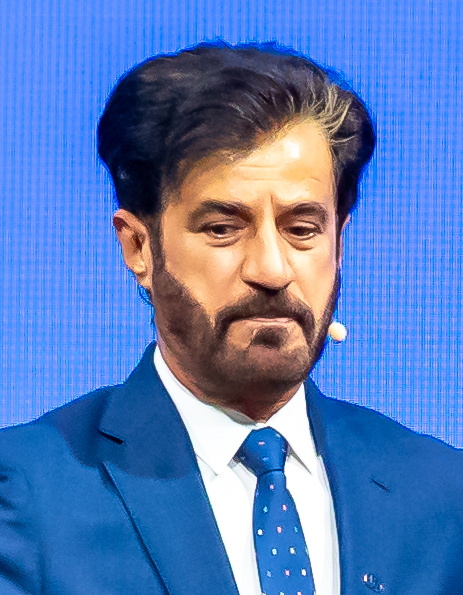
The FIA and F1's owners have barely hidden their unease with next year's power units, which lean on a heavy battery for roughly half their output and carry a hefty price tag. President Mohammed Ben Sulayem and F1 chief executive Stefano Domenicali have each talked up a return to the naturally aspirated engines that defined the 1990s and 2000s.
A V10 comeback was shelved after a Bahrain summit left most manufacturers cold. In its place came a 2.4-litre V8 on fully sustainable fuel, paired with a slimmed-down hybrid contributing perhaps 10-15% rather than half. The FIA's working sketch has it revving to 16,000rpm for around 880bhp, in cars some 150kg lighter than today's — near 650kg in qualifying trim — with the engine budget cap trimmed by about 30%.
Timing has been the sticking point. The Race reports that Ben Sulayem summoned manufacturers to a London meeting, then scrapped it, telling teams by letter that 2031 was now the target. Red Bull and Cadillac leaned towards 2029; Mercedes and Ferrari favoured 2030; Honda and Audi wanted no change before the current cycle expires. With a super-majority required to move early, the votes weren't there.
Ben Sulayem had branded a cheaper V8 "common sense" for manufacturers to embrace, The Race noted, but enthusiasm has waned. "The world has changed" was the line several fed back to him, the outlet reported — shorthand for US tariffs, wavering electric-car legislation and a Chinese slowdown eating into profits. Mercedes' Toto Wolff has cautioned against making manufacturers fund two engine projects at once. "Would it really have been worth it for just a single year?" one source said of a 2030 switch landing a season before yet another overhaul.
The freshest idea, aired over the British Grand Prix weekend, reaches beyond the engine's layout. The FIA is weighing an independent, approved V8 supplier — a Cosworth for the modern age — letting customer teams buy a neutral unit instead of leaning on Mercedes, Ferrari, Honda, Ford or Audi. Ben Sulayem frames it as a question of leverage: he believes engine makers wield too much influence over the teams they supply, even over how those teams vote on the rules. Refuelling, gone since 2010, is on the table again, partly because a thirstier V8 would otherwise need a heavier fuel load.
The response has divided opinion. The Hot Lap's presenter cheered the prospect of lighter cars, V8 noise and a looser manufacturer grip on the independents, but warned an FIA-run engine risks handing the governing body too much sway and eroding F1's status as a constructors' championship. Zak Brown has said before that owning the whole powertrain would make sense for McLaren if the sums add up; Renault, meanwhile, endorses V8s but has no intention of building one.