
The 2026 Formula 1 season is being shaped by two separate sets of regulations. There are the ones the television cameras spend most of their time covering — the aerodynamic reset, the 50:50 power unit split, the active wings — and there is the set most of the paddock is actually watching: the engine compression-ratio rules, and how they change before the Monaco Grand Prix.
That second, quieter rule set is where the 2026 competitive order could be redrawn.
On the Suzuka edition of his weekly F1 analysis show, LawVS was pressed on whether Ferrari — which began the 2026 season as the third-fastest team behind Mercedes and McLaren — could realistically win races this year.
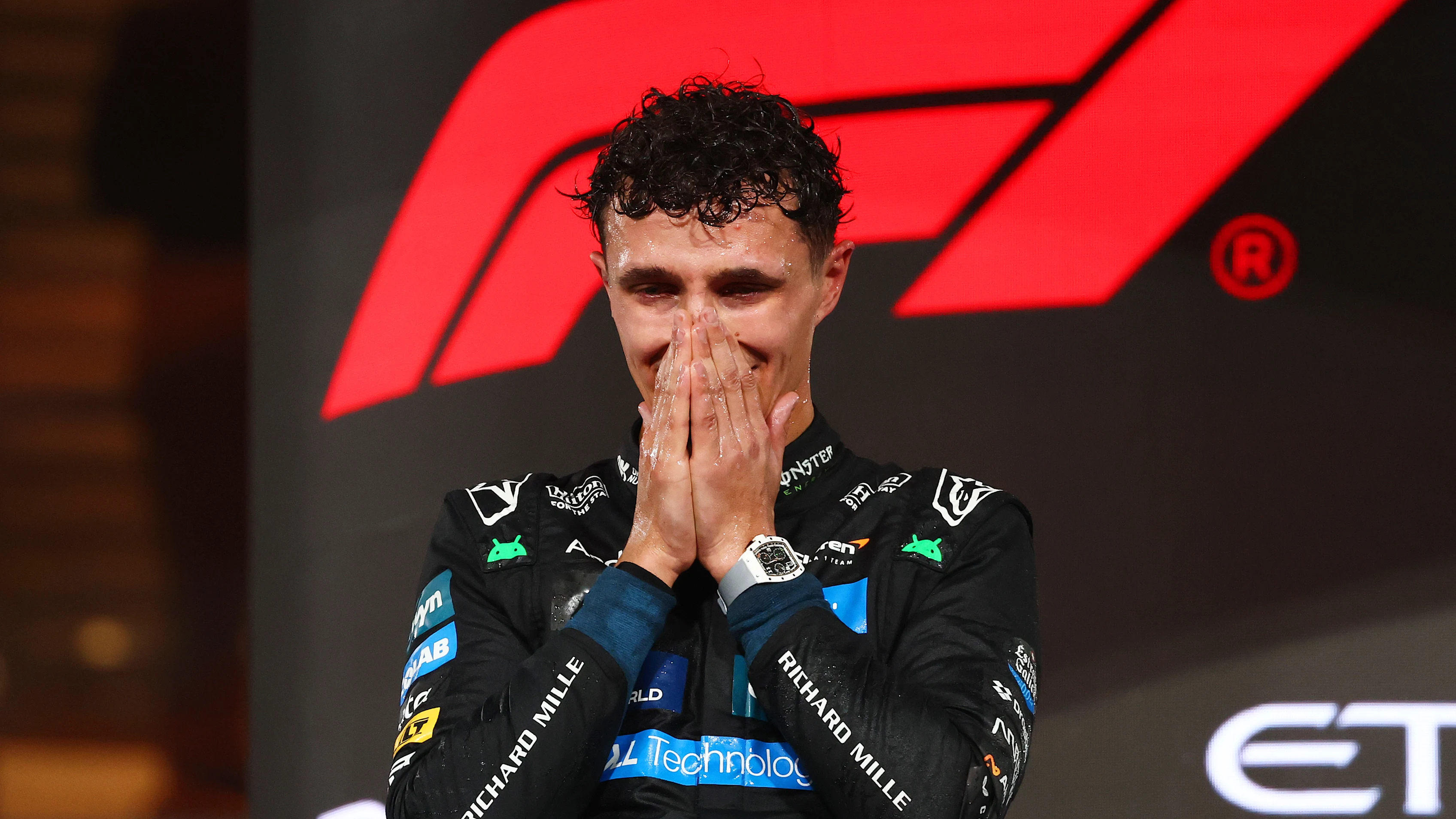
"Oh, yeah. They will," LawVS said. "Basically, we got to consider the compression ratio thing that's coming for the Monaco Grand Prix. You got to take that into consideration. There will be a case for the ADO. Ferrari will probably make loads of tweaks."
The ADO — the Aggregated Deviation Ordinance, a piece of the 2026 sporting regulations that exists explicitly to stop any single power unit manufacturer dominating the regulation cycle — is where the compression-ratio question lives. The current 2026 engine rules lock all four manufacturers inside a narrow compression-ratio band. The rule change due before Monaco is expected to widen that band, giving engine builders meaningful freedom to reconfigure their combustion characteristics.
For Ferrari, which has publicly acknowledged that it is losing time to the Mercedes power unit during deployment windows, that kind of regulatory latitude is a significant opportunity. The Maranello technical department, under Loic Serra, has reportedly been preparing its response to the rule change for months.
Not every team principal thinks the change will be decisive. Fred Vasseur himself, asked directly about the upcoming compression-ratio revision, told reporters he was "not convinced" it would be a "huge game changer" by itself. Vasseur's scepticism is consistent with Ferrari's public communication strategy this season — setting expectations low, leaving upside room for performance.

Max Verstappen has quantified the gap the rule is meant to address. Earlier in the year, the reigning world champion told reporters that the Mercedes compression-ratio configuration was worth "20 to 30 extra brake horsepower" on its own. In a championship where qualifying is decided inside a tenth of a second and races are won by deployment margins measured in single-digit kilojoules, a 20-horsepower gap is the kind of thing that explains, on its own, the current championship standings.
The politics of the situation are the most interesting part. Mercedes has spent the first three races of 2026 quietly dominant, with Kimi Antonelli winning in China and at Suzuka and leading the drivers' championship. George Russell has already pushed back publicly on the notion that rivals should be allowed to engineer a regulatory pullback.
"Our team's worked so hard to get ourselves in this position," Russell told reporters at Suzuka, "and the best team should come out on top."
Ferrari and Red Bull have been rather more direct in their own briefings, pointing out that the ADO is a tool that exists for exactly this scenario — a new rule cycle in which one manufacturer has opened an uncomfortable early-season gap.
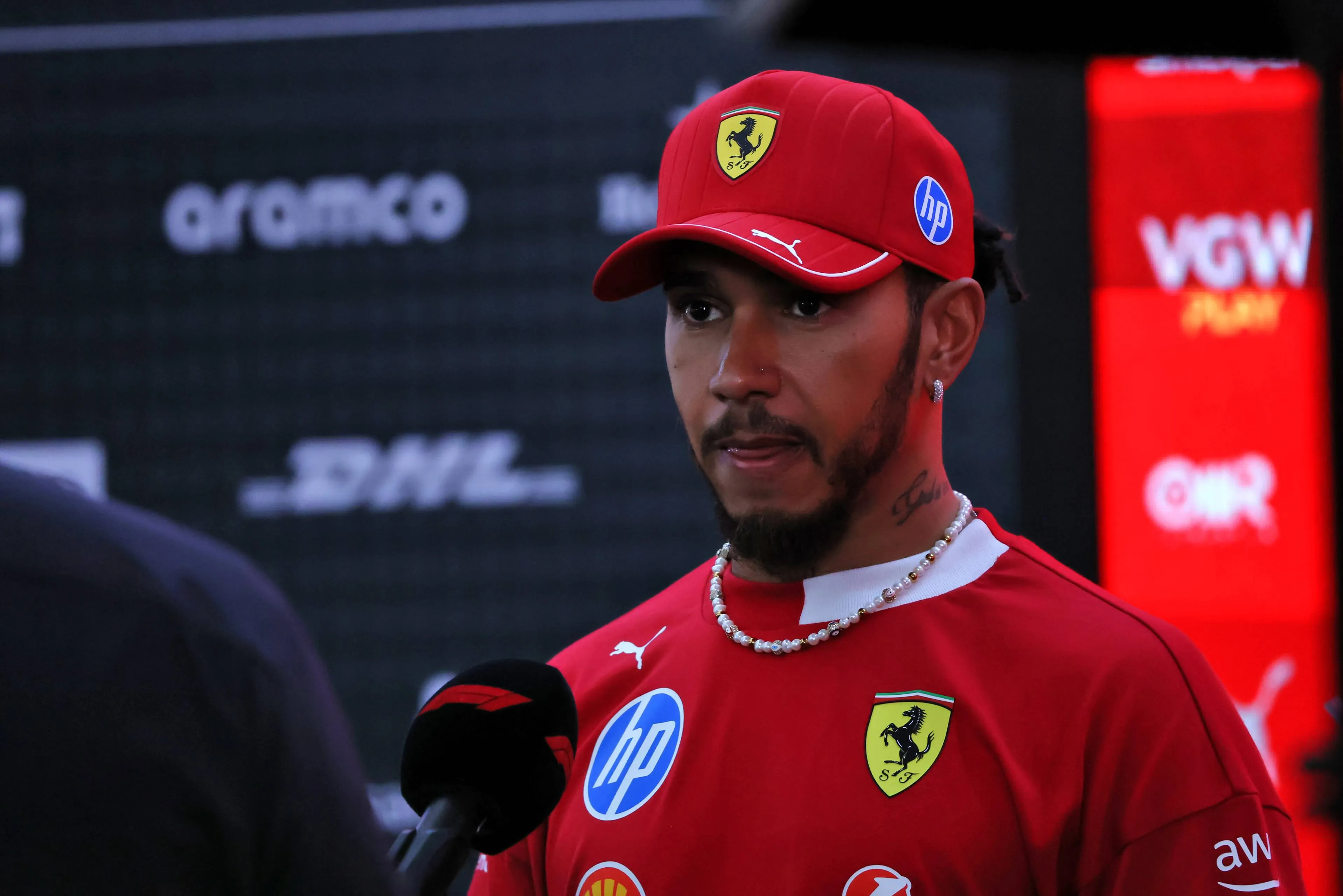
Monaco, as a racing proposition, is the worst possible venue to launch such a change. The street circuit rewards chassis and driver confidence, not outright engine power. A compression-ratio unlock would not show its full value there. But the post-Monaco stretch — Spain, Austria, Britain — is exactly the mid-season European run where a two-tenth-per-lap engine benefit becomes visible on the timing screens.
For Ferrari, the internal planning assumption is straightforward. A modest Monaco tweak means continuing to rely on aerodynamic upgrades and chassis work to close the Mercedes gap. A generous Monaco tweak means being the first team with a fully redeveloped engine map ready to race by Barcelona.
For Mercedes, the reverse is true. A generous tweak means managing the championship lead through a mid-season performance equalisation the team has already publicly resisted.
The Monaco FIA meeting is, on the calendar, a formality. Inside the paddock, it is quietly the most important date on the 2026 schedule — and the team most hopeful about the outcome is the one currently sitting third in the championship.