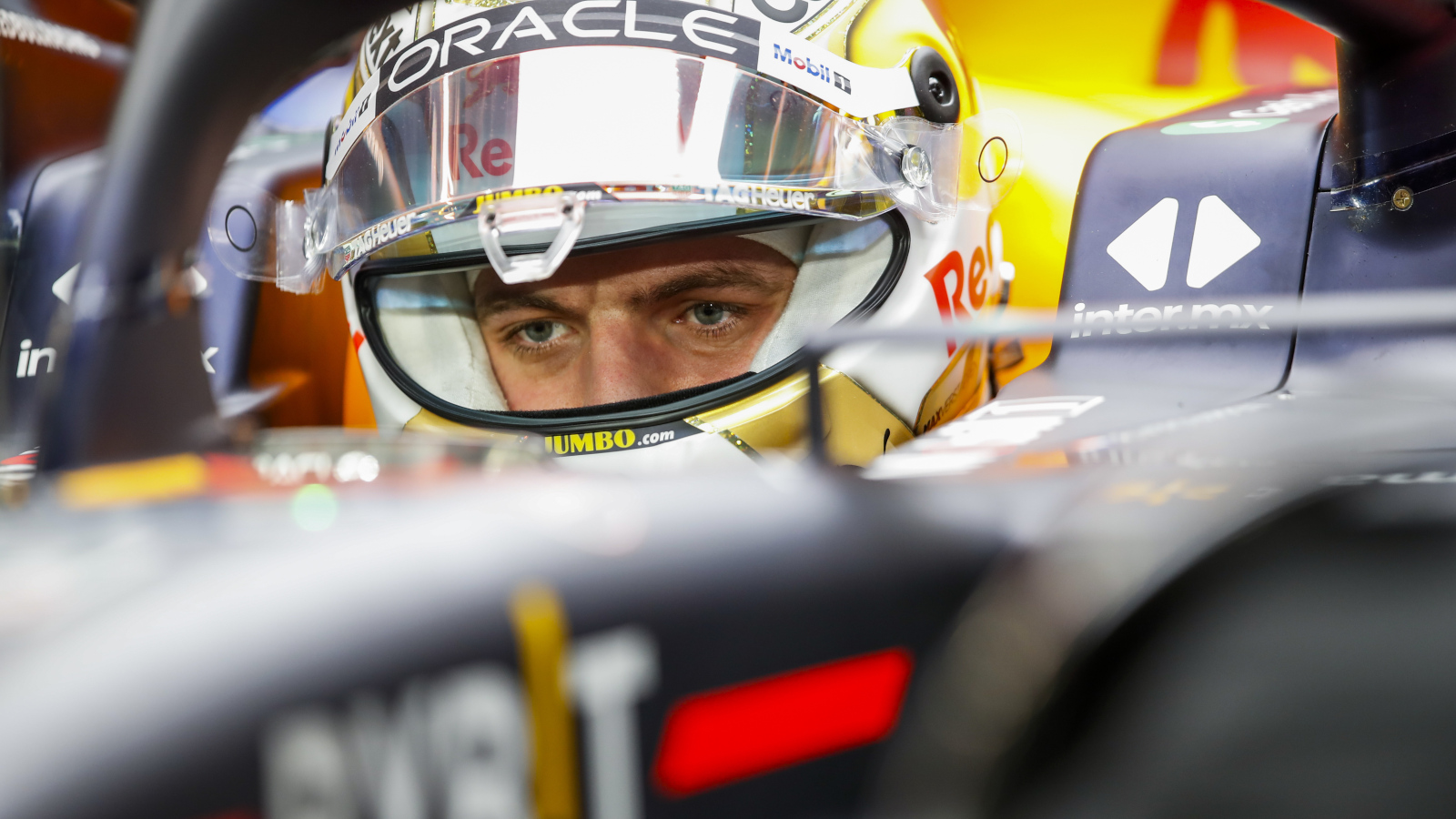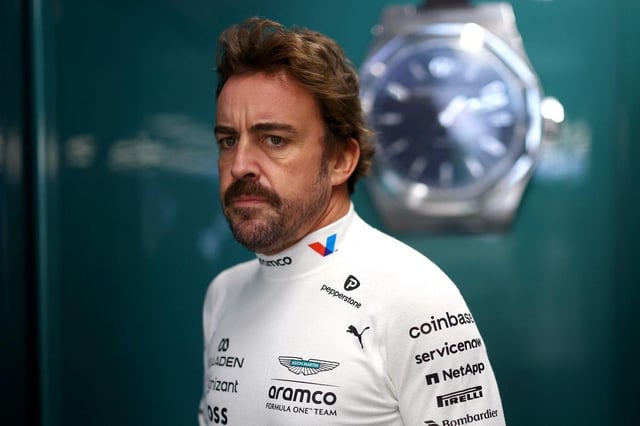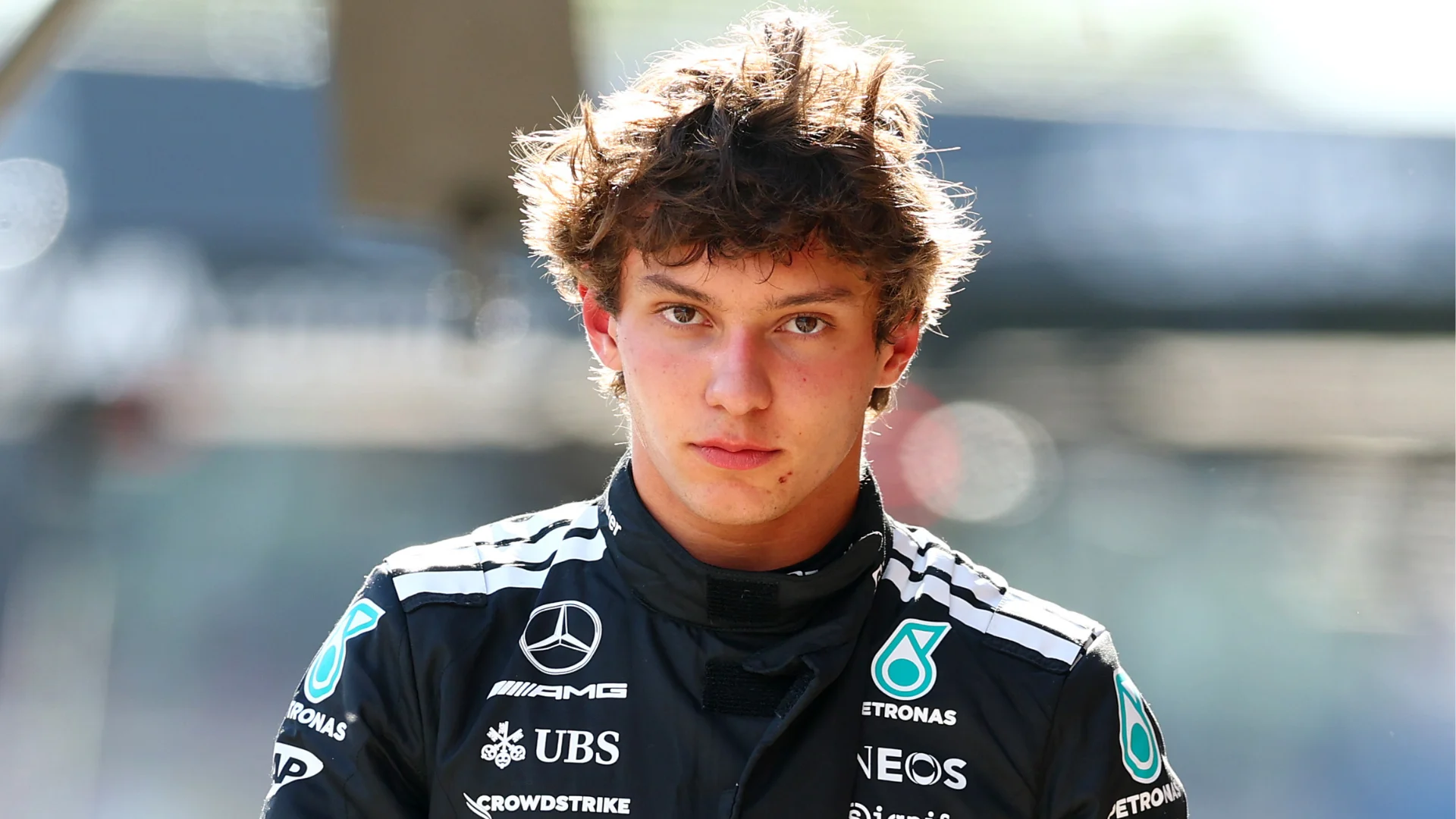
As Formula 1 rolls into Monte Carlo, the obvious question is whether the field has any answer to Mercedes.
The team comes to the Monaco Grand Prix unbeaten across the 2026 calendar, with Kimi Antonelli's fourth win in succession in Canada stretching his lead to 43 points. Around a circuit where grid position is king and passing is brutally hard, that form looks ominous.
But Monaco has a habit of ignoring the script. Pole is worth more here than at any other venue, and a scrappy lap in qualifying or a badly timed safety car can flip the result. The bulky, lengthy 2026 machines face an especially stern examination weaving through the barriers, where commitment and accuracy trump engine output.
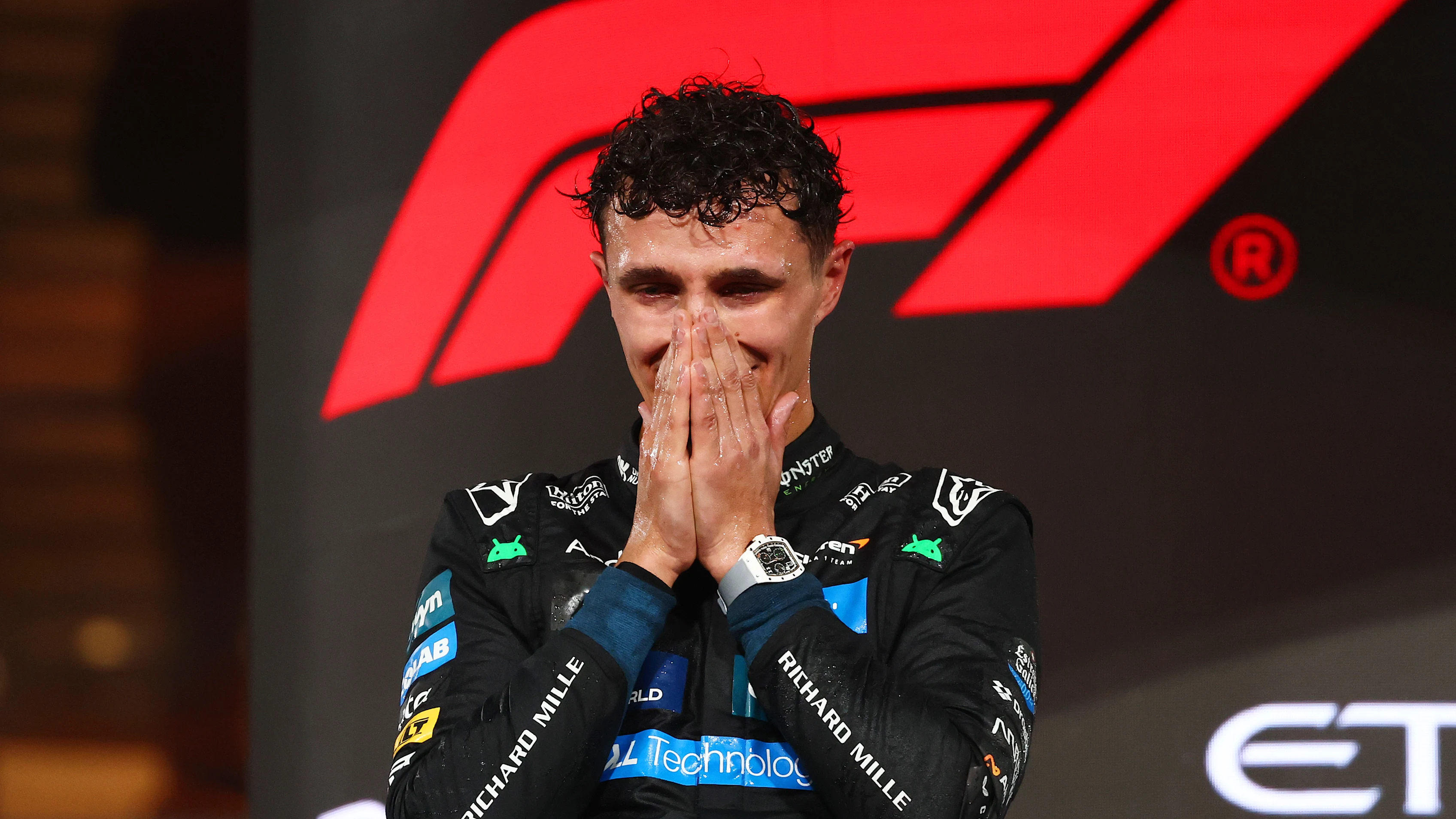
Mercedes itself is cautious. Having debuted its first big upgrade of the year in Canada, Toto Wolff warned the package was not yet fully proven and that Monaco's singular demands would make it a poor gauge of real progress. The team did sharpen its starts in Montreal, however — Antonelli gained a revised clutch pedal for greater consistency — which could matter on a track where the launch often decides everything.
Ferrari has reason for hope. Its low-speed downforce has ranked among the grid's best, a quality tailor-made for Monaco's slow corners after a run of power-hungry tracks exposed its weaknesses. Lewis Hamilton comes in buoyed by his finest Ferrari weekend yet in Canada, where he beat Charles Leclerc and took second; a front-row slot would leave either Ferrari well placed into the opening corner.
The engine question fades here, too. Monaco's stubby straights blunt the energy-management swings that have shaped the season, potentially closing the gap between manufacturers and rewarding balance and feel. McLaren, stung by a misjudged intermediate-tyre gamble in Canada, will be eager to respond.
Mercedes may be the clear favourite, but Monaco remains the great leveller. One perfect Saturday lap could tilt the whole weekend.