Six months into life under Formula 1's new rulebook, nobody can agree on whether the racing is actually good. Two fans watching the same lap will often reach opposite conclusions.
Start with the case for the defence, which lives at the front of the grid. Pole is a genuine lottery most Saturdays now, and Mercedes' early stranglehold has begun to loosen. "Personally, I'm really loving this season," said the presenter of the Formula Duck channel, who reckons the leading cars are tighter than they have been in a long time. "This is the first F1 season in a while where the front running teams are so close to each other and often are fighting for the P1 places."
There is more wheel-to-wheel action, as well. Looking ahead to the Belgian Grand Prix, YouTuber Mr Pulse thinks Spa's long straights will hand out passes freely, quipping that "we're probably going to see 25 overtakes in the first five laps." Tighter grids and more overtaking were the headline promises of the 2026 formula.
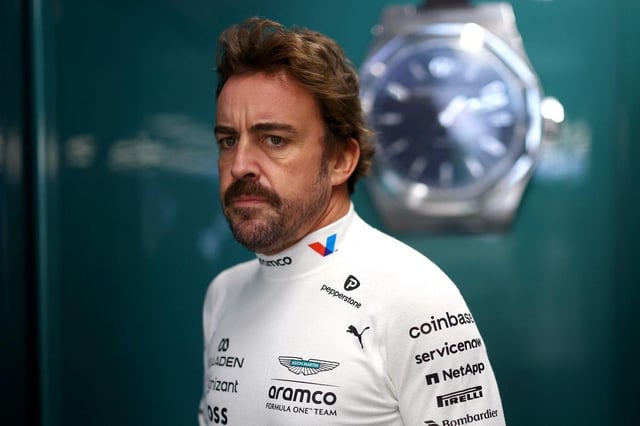
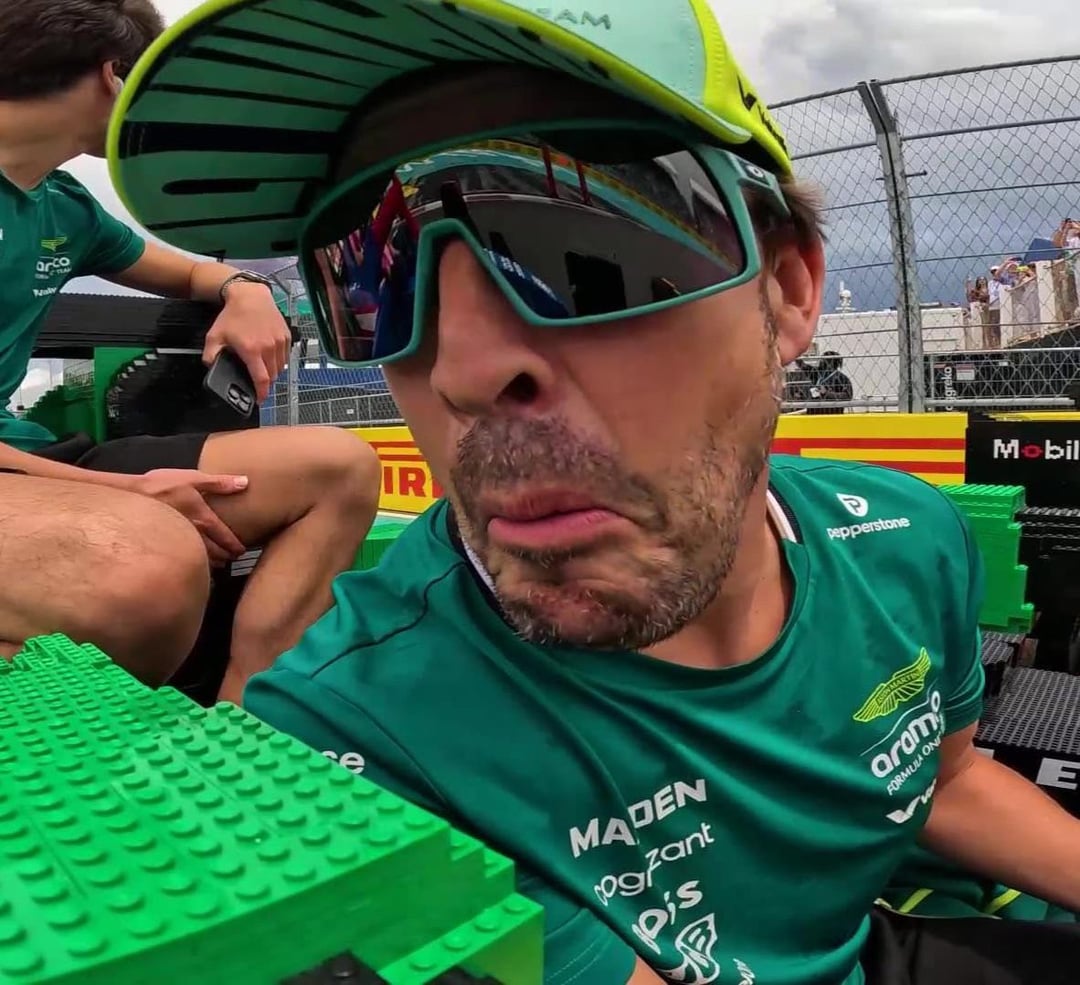
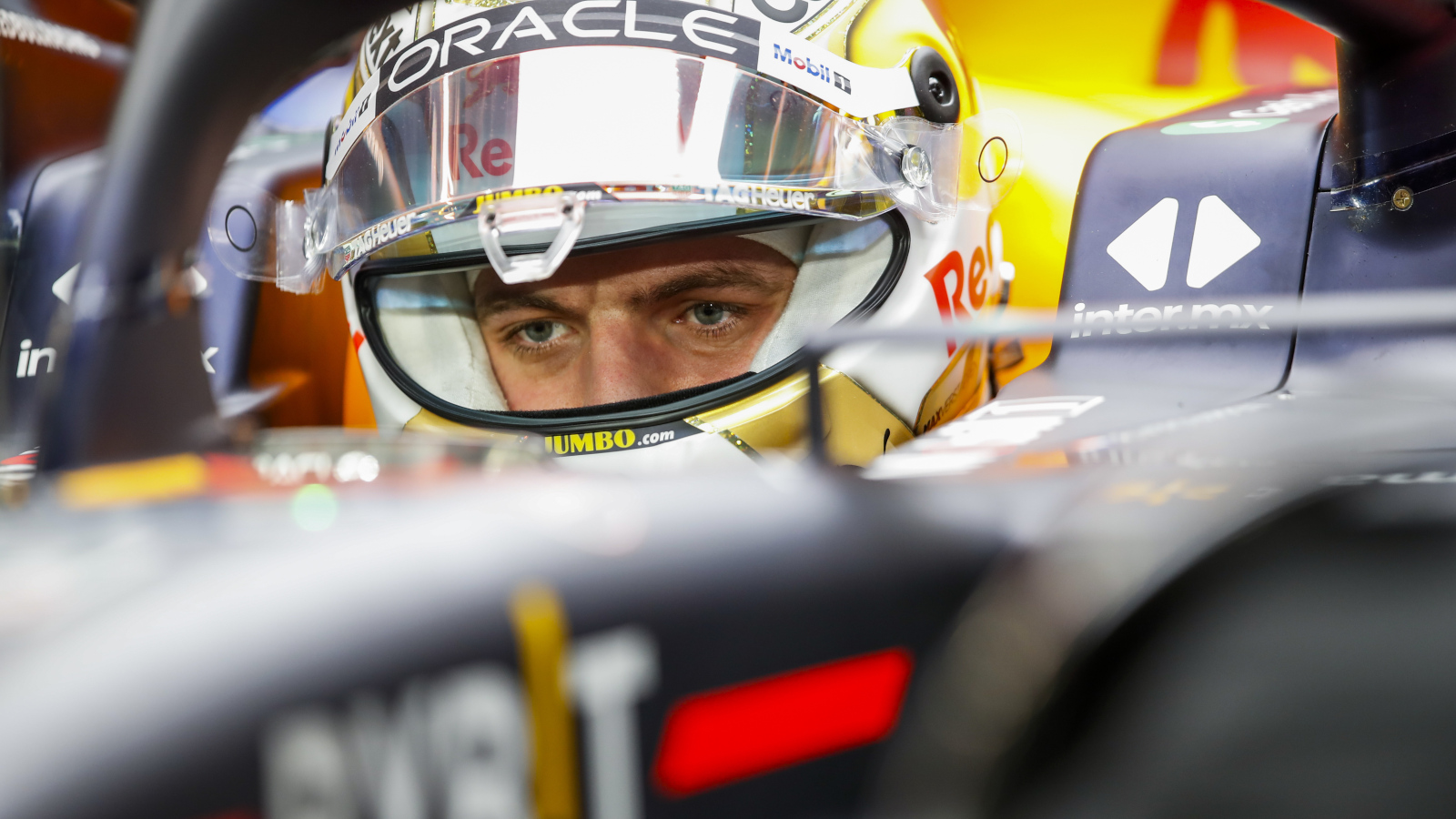
The complaints start with what happens between the corners. This year's hybrids divide their power roughly 50/50 between combustion and battery, and they drain their electrical charge on long, quick stretches of track. Drivers have said so loudly. Lewis Hamilton labelled Silverstone an "unprecedented energy challenge." Fernando Alonso called the whole situation "quite sad" and rebranded Becketts — among the finest corners anywhere — a "charging station." Max Verstappen, rarely diplomatic, compared the sensation to driving in sand.
The Race's John Noble frames the same conflict. The cars, he argued, look worst precisely through Silverstone's fast, flowing final third, where drivers must lift and harvest instead of staying flat. "It's kind of a perfect storm of circumstance," Noble said of a track that punishes energy-starved machinery through its best corners — and whatever a driver claws back by attacking them is outweighed by the recharge on offer.
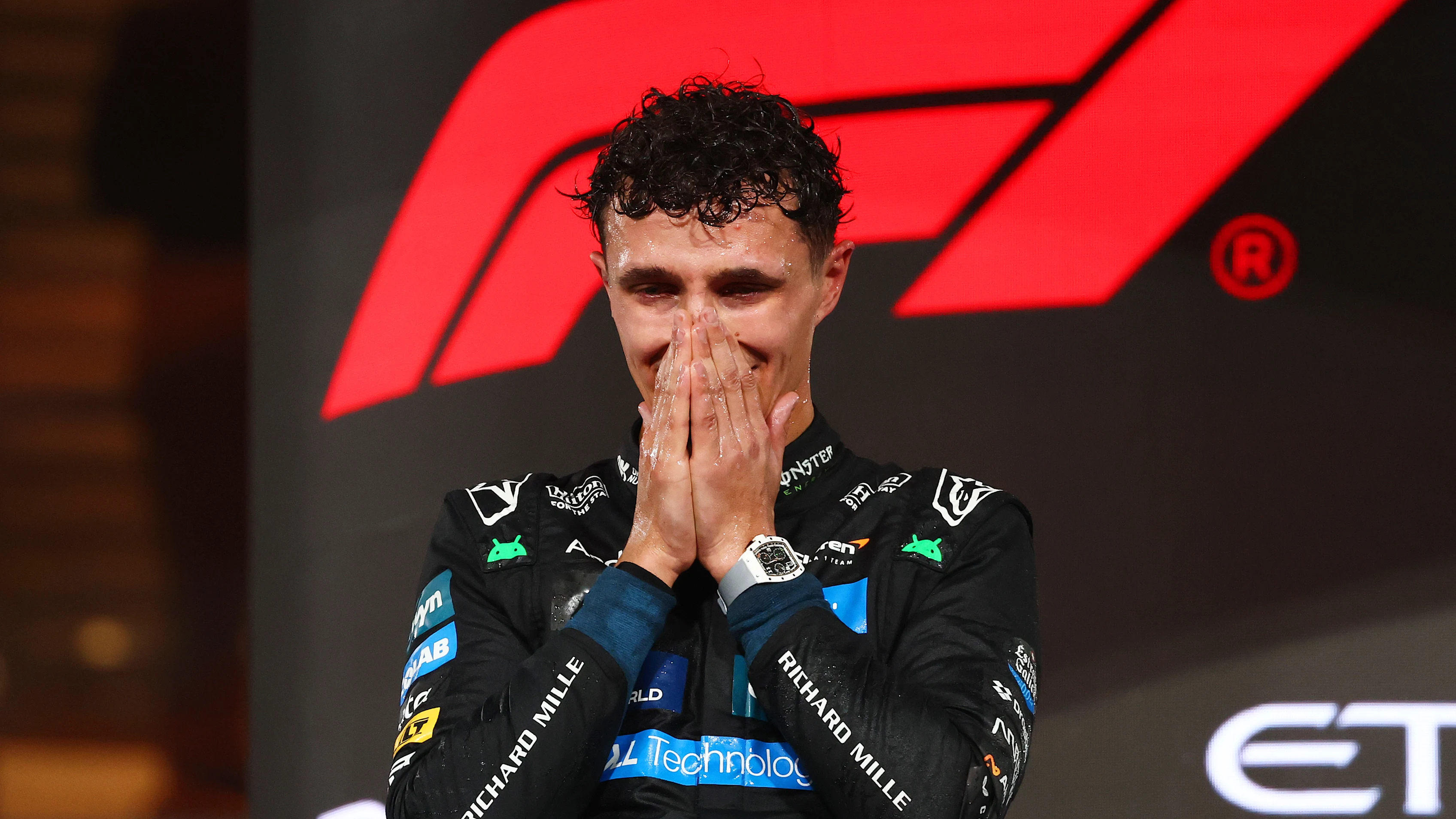
Even the sceptics admit it varies. The same breakdown noted that at plenty of venues "these cars work perfectly fine," listing Miami, Monaco and Montreal; the trouble only appears at particular straight-heavy layouts. And the drama up front is not manufactured: Charles Leclerc's victory at a chaotic, safety-car-ended British Grand Prix ended Ferrari's win drought going back to 2024.
Which leaves the midfield, once the reliable source of Sunday chaos and now the flattest part of the weekend. Formula Duck, so upbeat about the leaders, did not spare the rest: the midfield, he said, is "actually pretty boring this year." His explanation is money and know-how. A rulebook this complex rewards teams with "fat stacks of cash and experience," while the strapped or inexperienced outfits — Williams, Haas, Audi, Cadillac — have fallen away. With the unpredictability now concentrated at the top, the danger is obvious: the day one team escapes up front, the spectacle escapes with it.

Triumph or flop, then? For now it is genuinely both, and which one you see depends on where you are looking — on the track, and on the grid.