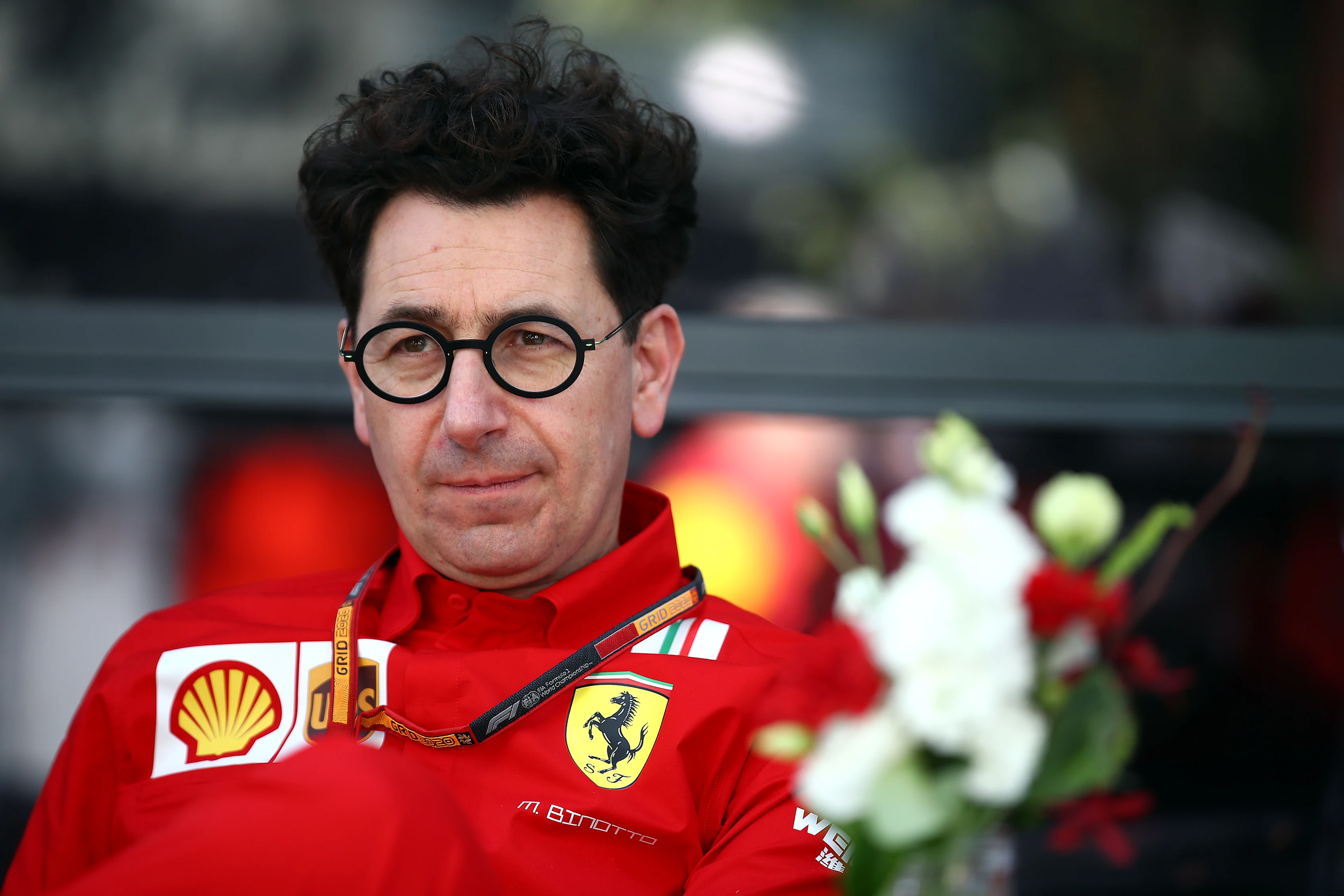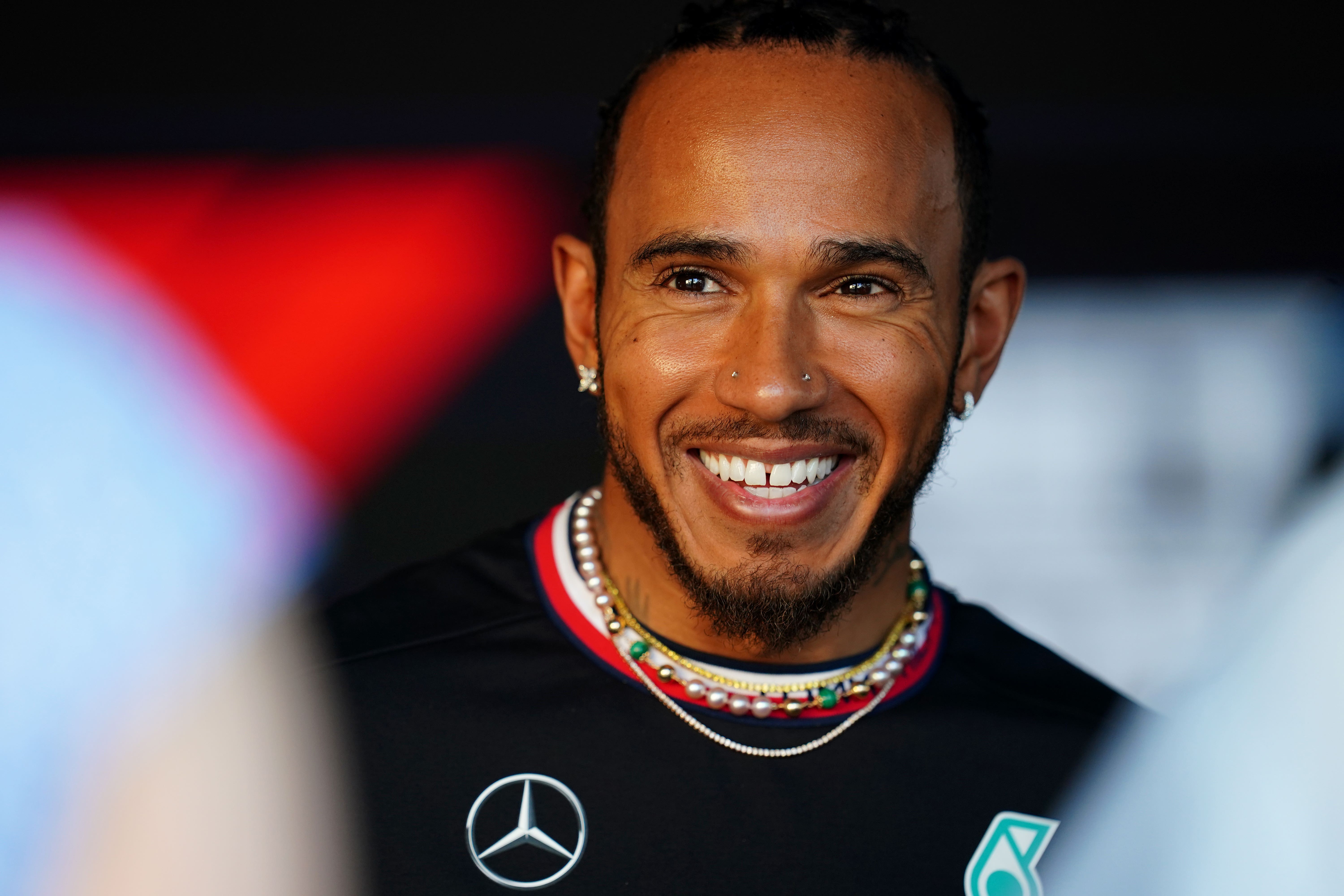
Lewis Hamilton's breakthrough Ferrari victory in Barcelona was put down to a sharper drive, a bold three-stop and a fresh aero package. The component that may worry rivals most, though, was hidden in plain sight on every corner of the SF-26: a redesigned set of wheel rims.
Under the old rules, rims were a controlled spec part. The 2026 regulations have opened them up again — and with that, one of the sport's most technical fights has quietly restarted around tyre temperature control.
The Race's technical team called it "a fascinating hidden war that has emerged in Formula 1," noting "there was more to Ferrari's victory in Barcelona than meets the eye." Ferrari's early-season flaw was no secret: real one-lap pace, but tyres that cooked over a run. On a hot, abrasive Barcelona surface the team suddenly matched Mercedes "almost to the tenth," and the rims were central to the shift.
Pirelli has tracked the trend right across the grid. "It's quite a significant variation," its F1 chief engineer Simone Berra told reporters including Crash.net. "What we have seen this year is that generally stabilised conditions are much lower than in the past, and this is because the rim basically is cooling the whole wheel, and the tyres themselves."
The gap between teams has grown wide. "Some teams are stabilising quite high with temperature and pressure. Some other teams are stabilising very low," Berra explained. "There are completely different approaches, and this can have a big impact. The teams that have worked to cool down the tyres a lot with the rims have quite a lot more benefit than some other teams."
Berra's numbers spell out the stakes. Standard rims used to let tyre pressure rise 2 to 3 psi from the start to stabilised running, worth 20 to 30 degrees of heat. With bespoke 2026 rims, some teams have trimmed that to barely 1 psi, or 10 to 15 degrees. Drop out of the tyre's working window and sliding feeds more heat into the rubber, and the stint unravels — so that margin is worth race wins.
Crash.net reports Ferrari's answer was a new set of BBS Japan rims aimed at the tyre's thermal efficiency, an upgrade that never showed up on the FIA's published list of submitted parts. The on-track evidence was stark: Hamilton's three-stopper saw him lap as much as two and a half seconds quicker than George Russell in places, and he took the flag almost 20 seconds clear. Russell, two-stopping, conceded he struggled on the hard tyre.

Hamilton said the result reflected the path he had urged Maranello to take. "The team have really listened and really worked hard to add performance and be innovative," he said. "This year is all about innovation... This is what I was asking for last year. It was like, this team has to be the leaders in that, and they've shown that they can and they will."
There are limits. Rims must use one of two approved magnesium alloys and be homologated, with both drawings and physical parts signed off by Pirelli before use, so a circuit-by-circuit rim is off the table. But the benefit is universal, and others are moving — The Race expects Red Bull to follow, possibly as soon as the Austrian Grand Prix.
The FIA is monitoring it. There is no alarm yet, but a deeper review is expected for 2027, perhaps bringing new limits or fixed areas of the rim that cannot be touched. As Read Motorsport put it, Hamilton's Barcelona win already looked like Ferrari's season turning — and the hidden rim war may be where that turn began.