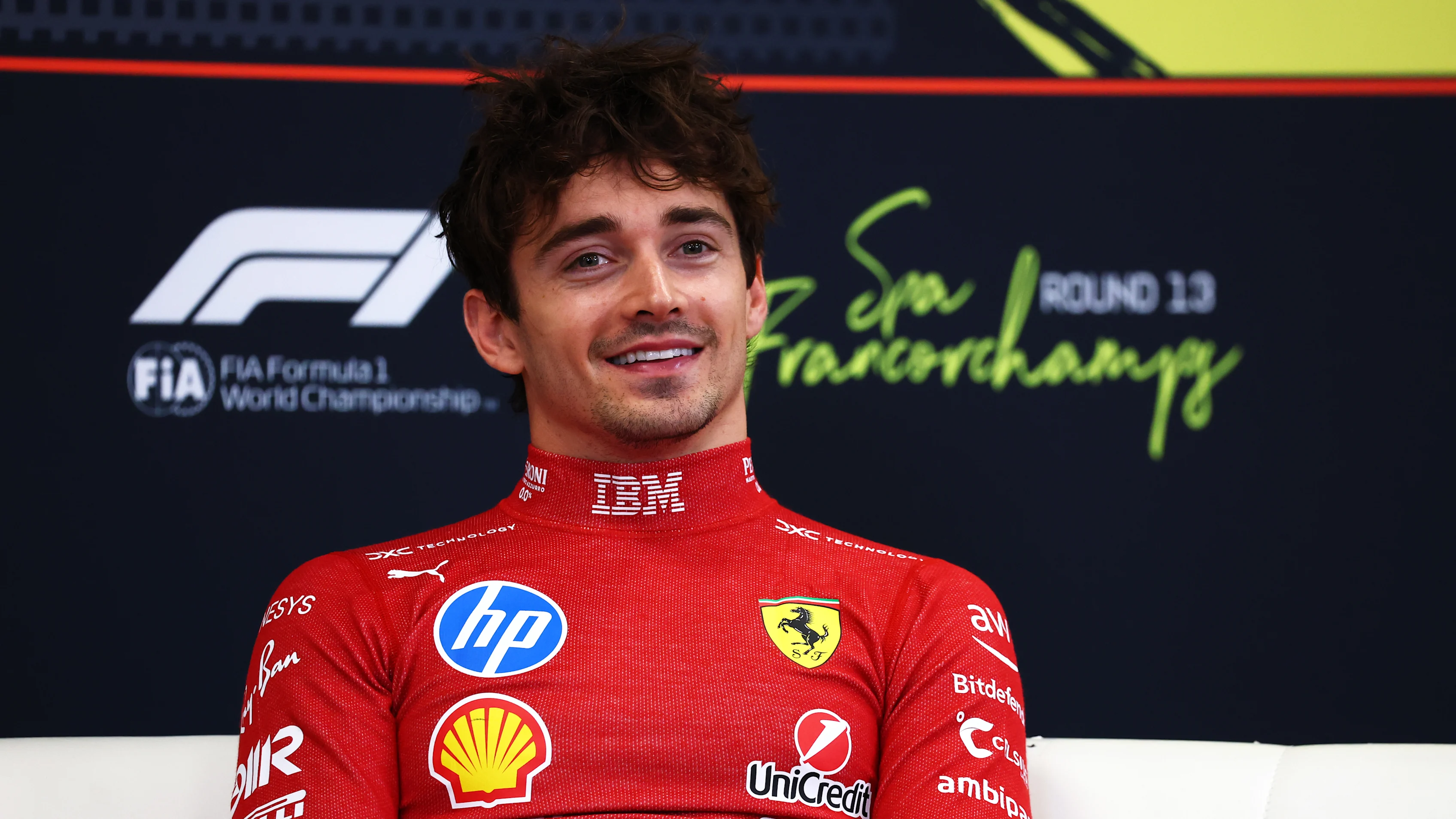
While most of his peers spent Suzuka cataloguing what is wrong with Formula 1's 2026 generation, Charles Leclerc walked into the press conference with a different message: he is, actually, enjoying himself.
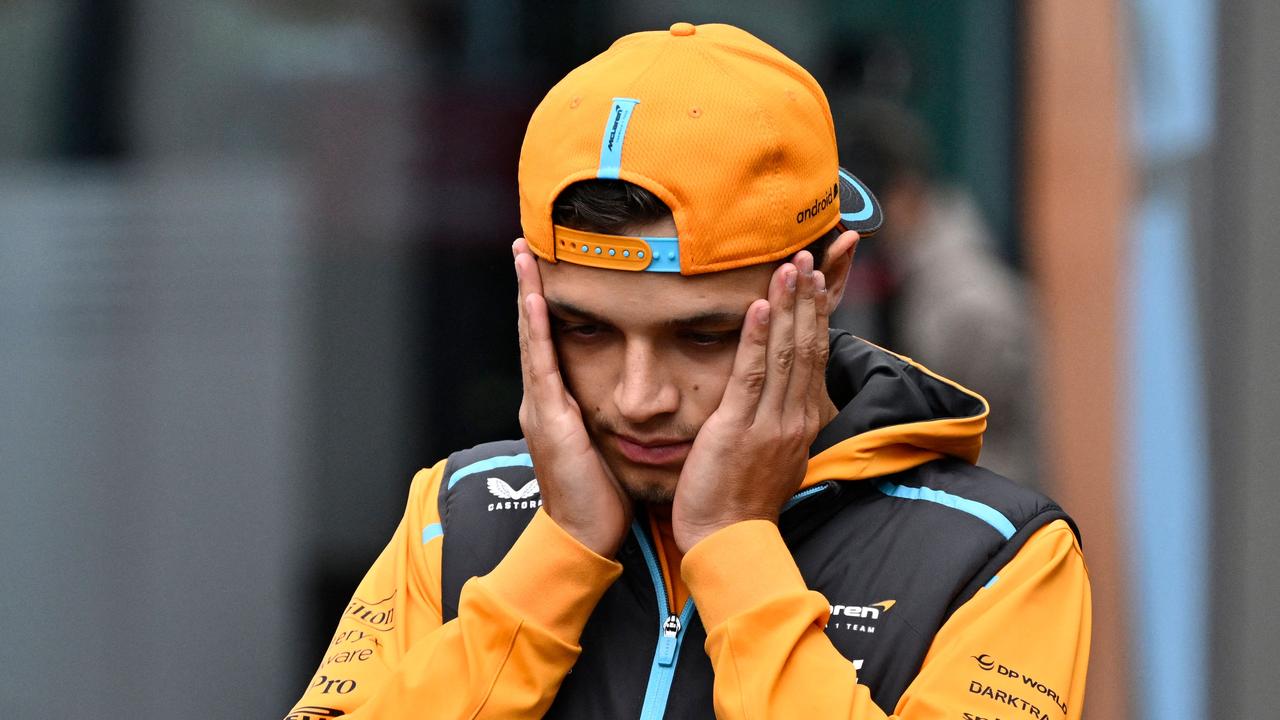
It is a contrarian position. Lando Norris has spent the last fortnight publicly questioning the safety of the regulations. Williams' James Vowles has admitted the field has not compressed the way teams hoped. Drivers from across the midfield have flagged energy deployment problems, lift-and-coast headaches and unpredictable closing speeds. Against that backdrop, Leclerc carved out a small but real piece of dissent.
"I don't know if I'm the only one. I don't think I'm the only one — speaking with other drivers, but it might be half-half," he said. "I actually enjoy those cars for the racing bit. I think for qualifying there are definitely tweaks that we need to make in order for us to push those cars to the limit and not having to think about too much about the energy."
The distinction matters. Leclerc is not defending the regulations as a whole. He is splitting Saturday from Sunday, conceding that qualifying has become a mathematics problem rather than a pure speed exercise, while arguing that the actual races have produced something genuinely engaging from a driver's seat.
The data on race-day spectacle backs him up. Overtaking numbers are up significantly versus the previous regulatory cycle, with energy management dynamics forcing drivers to attack and defend at unconventional points on the lap. Crowds at the early races have responded enthusiastically to the increased racing action, and the commercial side of Formula 1 has noted the engagement uplift.
There is, of course, a Ferrari-specific reason for Leclerc to view the format favourably. The Scuderia arrived in 2026 well behind Mercedes on raw power, and a chaotic, overtake-friendly race format gives a driver capable of mixing it up in traffic a way to recover positions otherwise lost on Saturday. A Leclerc who genuinely enjoys racing wheel-to-wheel is also a Leclerc whose package looks better on Sunday than Saturday's grid would suggest.
He was careful not to dismiss the qualifying problem. The FIA's deployment refinements, which take effect at the Miami Grand Prix, drew his approval rather than criticism.

"I think for qualifying there are definitely tweaks that we need to make in order for us to push those cars to the limit," he repeated.
The contrast with Norris is what gives the comments their wider value. Both drivers are senior figures in the GPDA, both want regulatory action, and both have put their names to public statements this week. But while Norris has emphasised the safety dangers of the racing format, Leclerc has framed the racing as the part of the regulations that should be preserved while qualifying is tidied up.
For F1's commercial side, that voice is worth a lot. The sport's modern selling proposition is built on close, unpredictable racing, and a senior driver willing to publicly defend the on-track product gives the FIA cover to refine rather than reinvent. If even half the grid privately agrees with him — "it might be half-half," Leclerc admitted — the political conversation has more nuance than the safety-first headline suggests.
Leclerc was understated about all of it. He flagged his preference, acknowledged the qualifying problem, and moved on. But on a weekend dominated by Bearman's crash and Norris's blistering safety speech, his willingness to say something positive about the 2026 product was the contrarian note the paddock probably needed to hear.