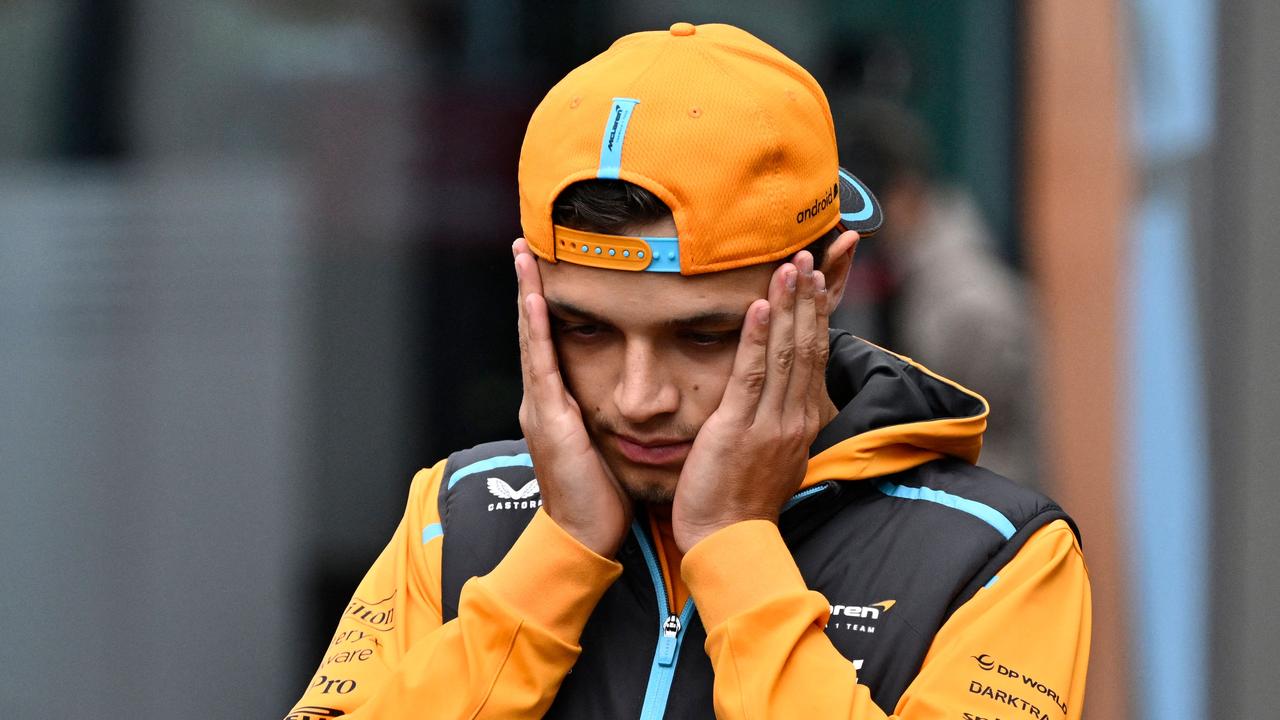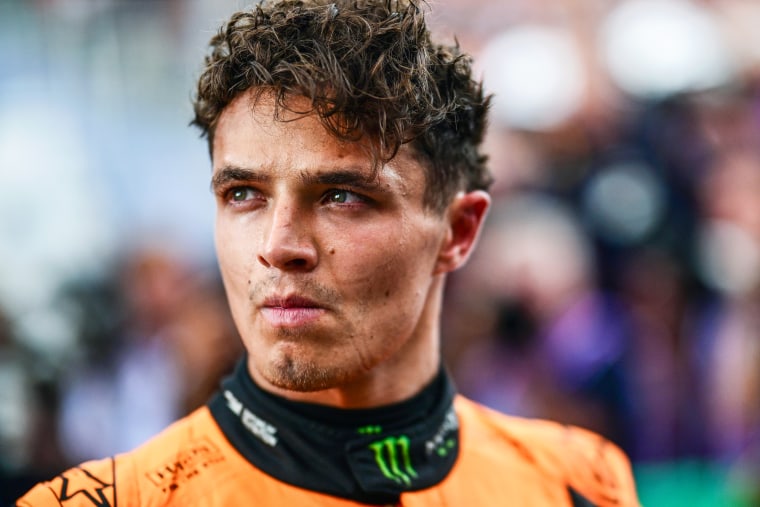
Lando Norris does not normally do paddock politics in public. After Suzuka, he made an exception.
The McLaren driver finished second to a dominant Andrea Kimi Antonelli at the Japanese Grand Prix, but the result was almost incidental to the message he delivered afterwards. Oliver Bearman's 50G crash in Bearman's Haas had reframed the entire weekend, and Norris used his microphone time to argue, on behalf of the GPDA, that the drivers had warned the governing body this was coming.
"Also being honest with you, excited to see what FOM and FIA come up with for the new regulations," Norris said. "[I'm] hopeful they will come up with something a bit better for Miami, given the fact that the accident with Ollie that we saw today. We've been warning them about this kind of thing happening. These kind of closing speeds and these kind of accidents were always going to happen, and not very happy with what we've had up until now."
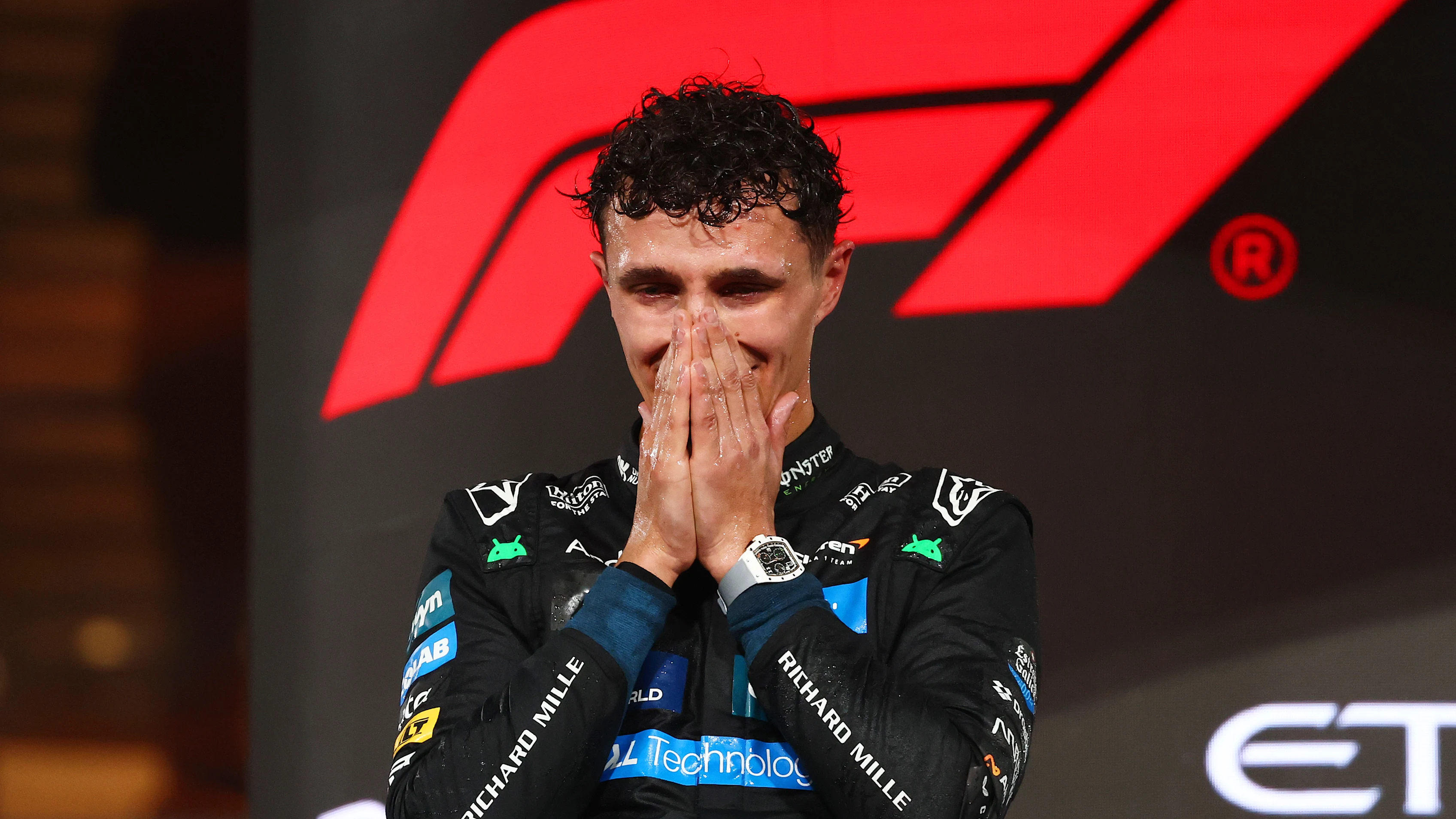
The GPDA's complaints have not been hidden. Drivers have argued for weeks that the 2026 cars produce wildly variable closing speeds during races, with hybrid deployment cycles creating differentials that are dangerous at high-commitment circuits. The FIA's response so far has been a refinement package targeting qualifying — cutting battery deployment from nine megajoules to eight — while leaving the in-race issues largely untouched.
Norris was particularly cutting on the FIA's stated reasoning for that split.
"Yeah, that's why I was so surprised when they said, 'No, we will sort out qualifying and leave the race because it's exciting.'"
From there, he sketched out the worst-case future the GPDA has been raising privately for weeks. Suzuka has run-off; the next generation of street venues do not.

"As drivers, we've been extremely vocal that the problem is not only qualifying, it's also racing. This kind of accident was always going to happen. Here we were lucky there was a run-off," he said. "Now imagine going to Baku or going to Singapore or going to Vegas and having this kind of closing speeds and crashes next to the walls. We as GPDA have warned the FIA these accidents are going to happen a lot with this set of regulations and we need to change something soon if we don't want them to happen."
The trio of circuits is significant. Baku's long straights and unforgiving walls have produced some of the most extreme F1 incidents of the past decade. Singapore is a marathon of barrier-lined corners. Las Vegas, with its 90-degree turns at the end of long DRS straights, has already produced uncomfortably close calls in its short modern history. All three offer no margin for the kind of speed differentials Norris is describing.
He also turned on the team principals who have publicly defended the racing.
"I hope it serves as an example and the teams listen to drivers and not so much to some people that said the racing was okay. Because the racing is not okay."
The line is unusually personal for Norris, who tends to keep his frustration with the wider sport in check. By drawing the public distinction between team bosses talking up the spectacle and drivers managing the consequences, he has effectively forced the FIA into a binary choice. Either the governing body listens to the GPDA before Miami, or it accepts that the next major incident will be politically owned by the people who stayed silent.
For now, the only certainty is that the conversation will not be quiet. Norris has said the part everyone in the paddock has been thinking, and the pressure is now squarely on the FIA to respond before the calendar reaches its first true street circuit.