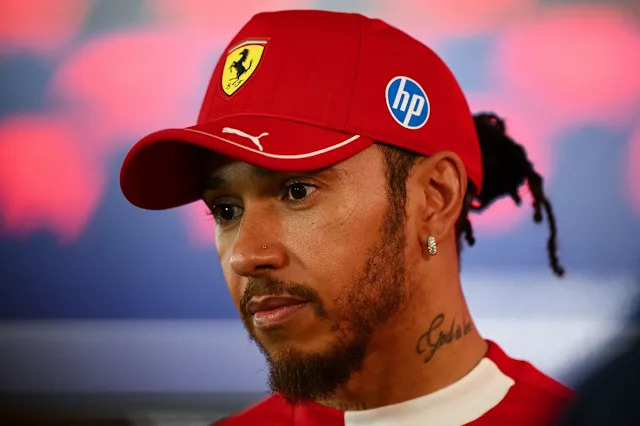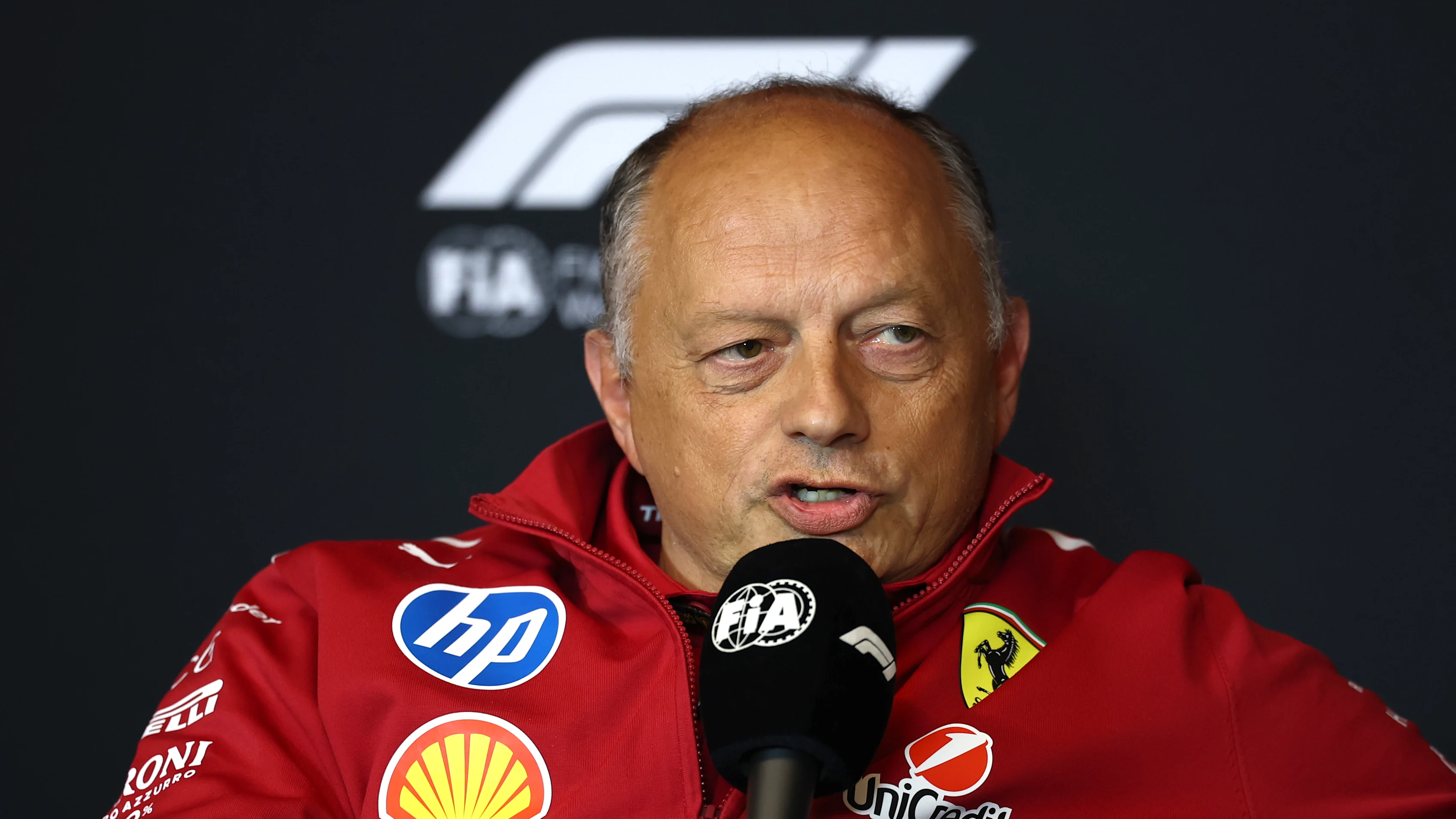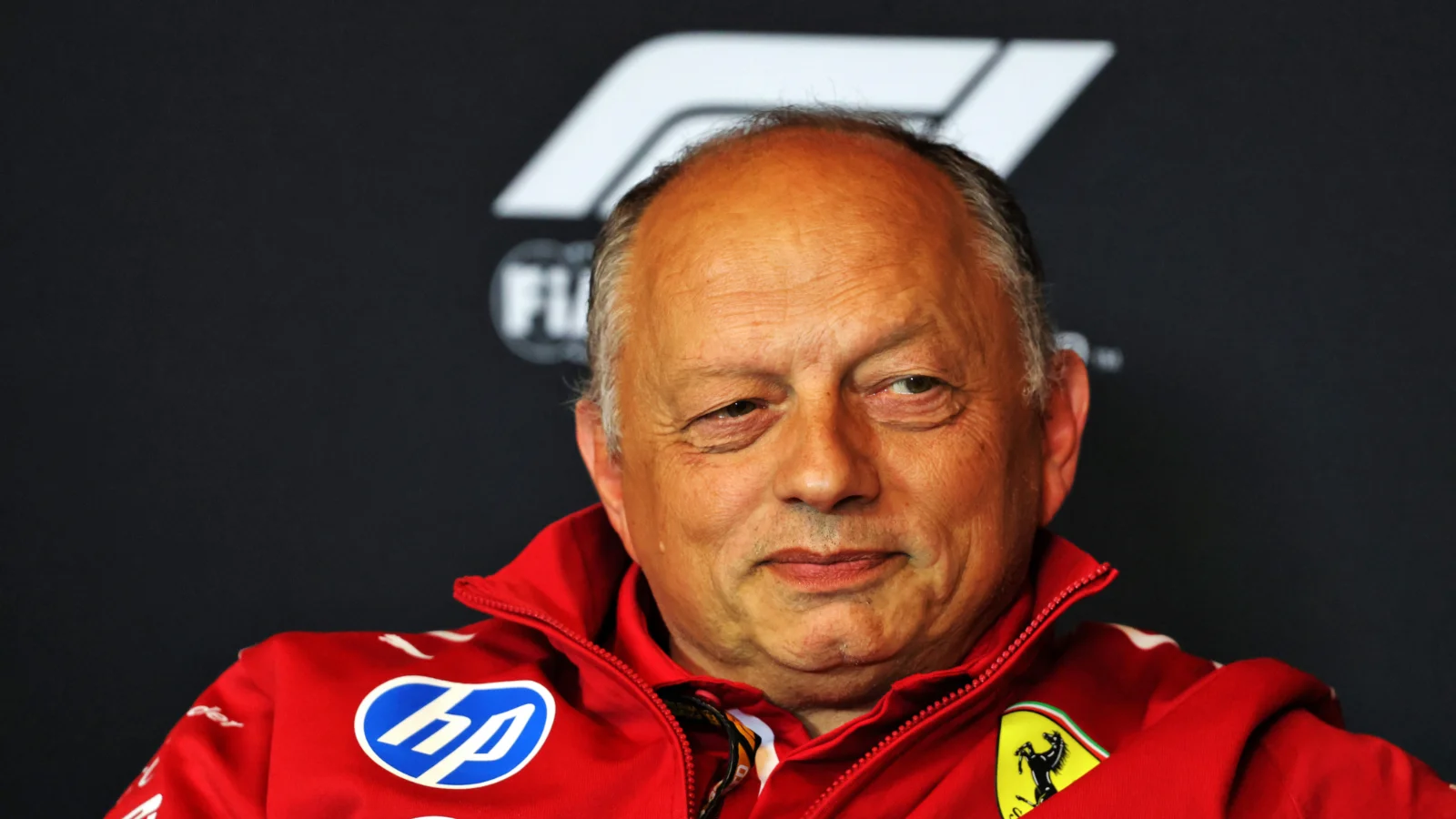
The parts keep coming from Maranello, and the rest of the grid has noticed. Ferrari's rate of development in 2026 has become a talking point in its own right heading into the Belgian Grand Prix, and Mercedes team principal Toto Wolff turned it into a pointed question: how is the Scuderia funding all of it under the cost cap?
The numbers behind his suspicion are stark. Ferrari has logged 32 separate upgrades this season, with headline packages in Miami and Spain — the latter delivering a win in Barcelona. Mercedes counts 17, anchored by a single major update in Canada.
"We're a little bit surprised that Ferrari can throw these huge updates at the car in the way they do," Wolff said. "In my opinion, they need to be running out of money soon — cost cap money — because we can't do that."
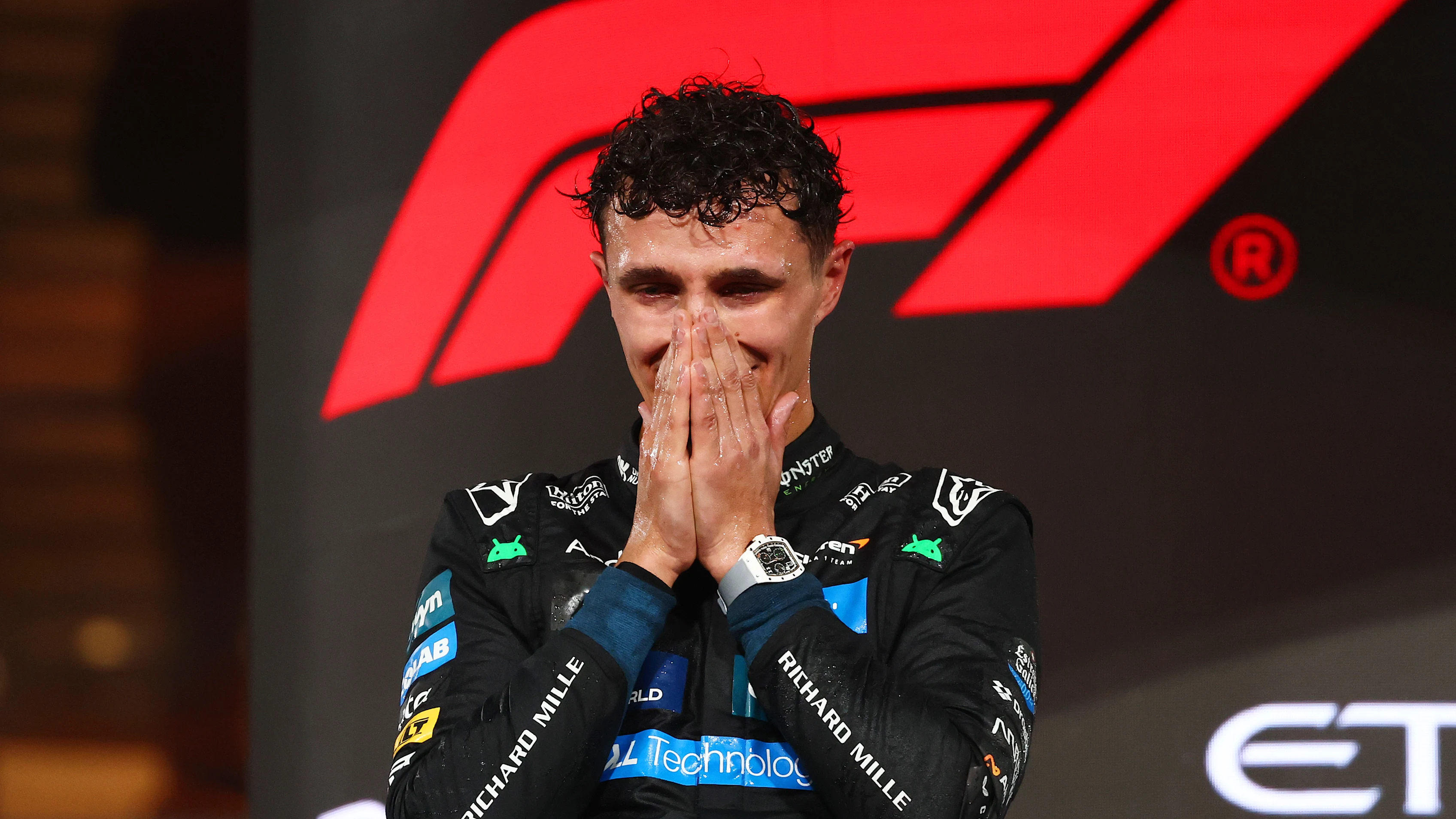
The Mercedes boss says his own team has run into the ceiling. "We're simply lacking the buffer and the cost cap to be able to bring so many parts in the way they do," he said. "The only ones who are not slowing down is Ferrari. It's just Ferrari, who seems to be limitless in that way."
Inside Ferrari, the response was a shrug. Charles Leclerc was asked directly at Spa whether the budget noise concerned him and pointed at his team principal. "On that, I trust Fred more than anything," Leclerc said. "I'm sure Fred is on top of that, so am I worried? I am not, because I fully trust Fred and I know that he knows what he's doing."
Fred Vasseur's explanation is about when you spend, not how much. Bringing performance early, he argues, pays off over more races. "If we can bring something at the beginning we do it, and it's better to have a couple of tenths for five races than just a couple of tenths for the last two," he said. He also rejects the idea that every update is a blockbuster: "Sometimes you can have the feeling that we are bringing a big upgrade but this is just a modification of some parts."
What Wolff was really pointing at becomes clearer when the teams stuck further back explain the gap. Williams boss James Vowles says it comes down to machinery built over a decade, not just cash on hand. "They have a far more efficient set of processes behind them," Vowles said. "Take Williams, we didn't have an external supply network at the right level because there's no funds to pay them." Mercedes, he noted, spent 12 years cultivating its suppliers. The result: "That means there's a loss of efficiency and it can be time or cost. You can choose whichever one of those two levers you want to pull, or both."

Mike Krack of Aston Martin framed it as a lead-time problem. "If you bring an upgrade every week, you have to plan this long in advance," he said. "You cannot say, I was poor in Austria and I have an upgrade in Silverstone the week after."
So the dispute settles into two readings of the same facts. Wolff bets the cap bites Ferrari before December; Ferrari says it is simply running a tighter operation. In all likelihood both stay legal. The lasting point is that Ferrari has made update speed a weapon, and most of the paddock has no way to answer it.