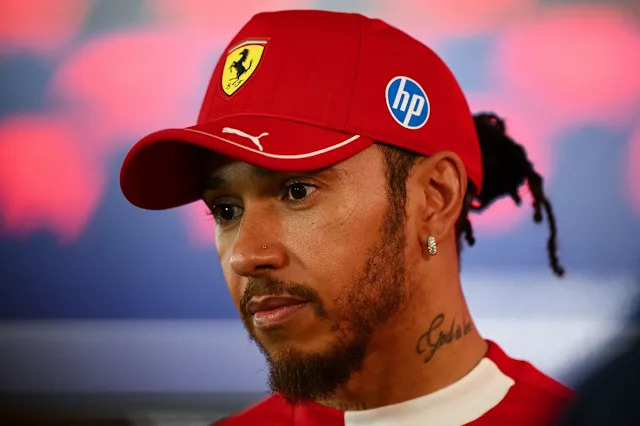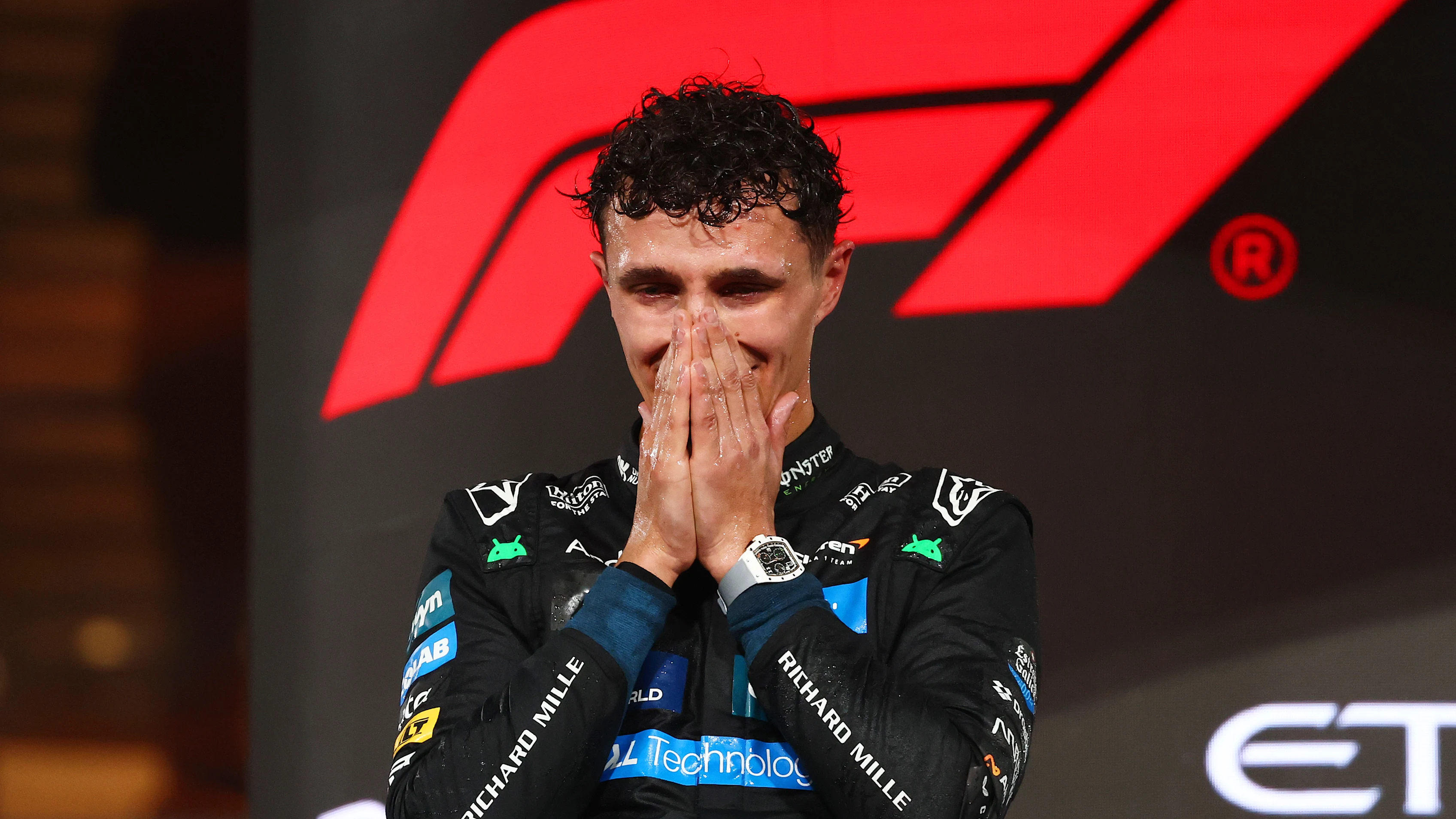
Zak Brown is not letting this debate die. The McLaren CEO has reopened the F1 ownership argument, warning publicly that any further expansion of A-B team relationships — including a possible Mercedes stake in Alpine — would damage the sporting fairness the new regulations are meant to protect.
The timing is sensitive. Mercedes are the strongest team on the grid in the early months of 2026 and have reportedly been approached as a potential strategic partner by Renault Group, Alpine's parent. Red Bull continue to operate Racing Bulls (VCARB) as a junior team, an arrangement that has been under FIA scrutiny since the new chassis rules came in.
Brown was clear about where McLaren stands.
"A-B teams, we need to get away from as much as possible, as quickly as possible," Brown said.
He directly tied the issue to the championship.
"I think it runs a real high risk of compromising the integrity of sporting fairness," he added.
When asked specifically about Mercedes and Alpine, Brown was careful not to single anyone out — but he did not soften the principle.

"It applies to anybody and everybody," he said. "A-B teams, co-ownership. Regardless of who it is. I don't think it's healthy for the sport."
He drew a direct line to Red Bull and Racing Bulls. While critical of the structural relationship in principle, Brown gave credit where the on-track work has visibly diverged in 2026.
"I'm glad to see, quite frankly, that the Racing Bulls and the Red Bull don't look like the same race car," Brown said. "So I think as long as it's managed, watched — but certainly adding to it I think would be a mistake for the sport."
The context is layered. McLaren have spent the last two seasons growing into a championship-fighting operation under Andrea Stella, and the team's strategic stance — Mercedes engine customer but operationally and financially independent — has been a competitive advantage. McLaren wins are McLaren wins, not Mercedes-by-proxy wins. Brown clearly does not want a future where Mercedes can convert one customer relationship into part-ownership of a second works team.
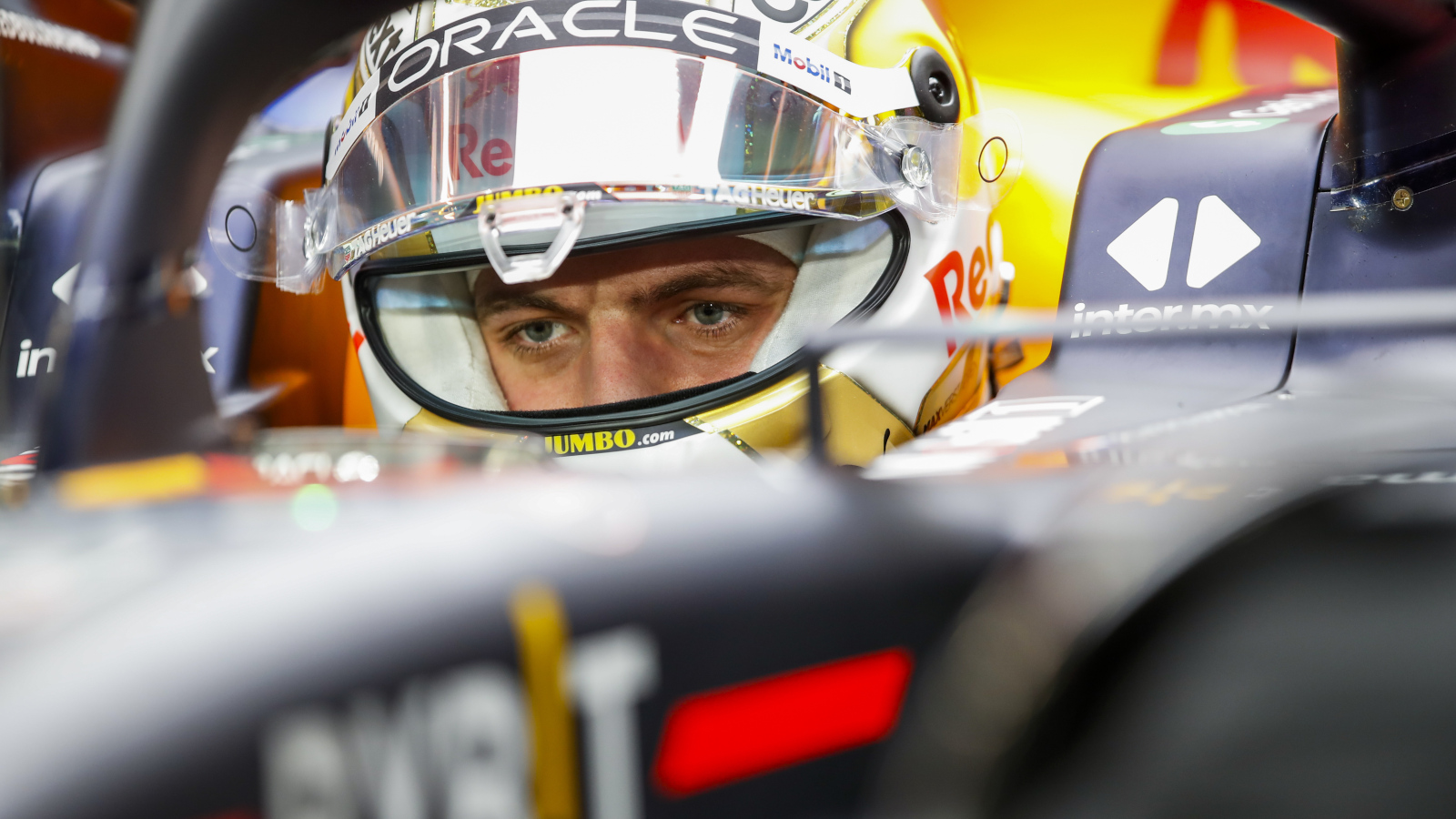
The Alpine angle adds complexity. Renault Group has been openly searching for new commercial partners for the Enstone-based outfit, and a Mercedes link would solve a lot of that immediately by tying Alpine to the most powerful 2026 power unit on the grid. From a competitive standpoint, that is exactly what worries McLaren. From a regulatory standpoint, the FIA's existing rules on shared engineering, IP and personnel between connected teams would be tested in a way they have not been since the original Force India and Toro Rosso disputes.
Brown's framing is important. He is not, yet, demanding the unwinding of the Red Bull and Racing Bulls relationship. He is asking the FIA not to approve a second one. That distinction is the actual test the sport's commercial team would have to apply if a formal Mercedes-Alpine deal hit the table.
McLaren's stance also has weight because the team has the on-track form to make it sting. Stella's outfit is in genuine title contention again, and the customer-engine-but-fully-independent template McLaren operate is increasingly being held up internally as the model for how customer arrangements should look.
Brown's message into the second half of 2026 is the same one McLaren have carried into every regulatory meeting this season. One A-B team is enough. Two is too many. And Mercedes-Alpine is exactly the kind of move he wants the FIA to refuse.