
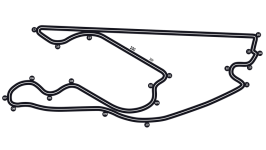
Miami International Autodrome
Nestled in the heart of Miami Gardens, Florida, the Miami International Autodrome represents one of Formula 1's most ambitious recent expansions into the American market. This purpose-built circuit emerged from a vision to bring premier motorsport to South Florida, capitalizing on the region's vibrant culture and growing appetite for international racing. The autodrome's development marked a significant milestone in Formula 1's strategic push to establish a stronger foothold in the United States. Built around the Hard Rock Stadium complex, home to the Miami Dolphins NFL team, the circuit ingeniously integrates existing infrastructure while creating a unique racing environment that reflects Miami's distinctive character. The track's design philosophy embraces both the technical demands of modern Formula 1 racing and the entertainment expectations of American motorsport fans. Stretching 5.412 kilometers through its 57-lap configuration, the Miami International Autodrome presents drivers with a compelling mix of high-speed sections and technical challenges. The circuit's layout winds through multiple elevation changes, a rarity in Florida's typically flat landscape, created through careful earthwork and engineering. These undulations add complexity to car setup and provide natural amphitheater-like viewing areas for spectators. The track surface, constructed to modern FIA specifications, offers excellent grip characteristics while presenting the typical challenges associated with new circuits. Initial rubber buildup during race weekends creates evolving track conditions that demand adaptability from teams and drivers alike. The surface's composition and preparation follow contemporary standards designed to promote competitive racing while ensuring safety at Formula 1's demanding speeds. Several corners have already established themselves as defining features of the Miami circuit. The opening sequence presents drivers with a flowing combination that rewards commitment and precise positioning, setting the tone for lap times and race strategies. Mid-circuit sections incorporate slower, more technical passages that emphasize mechanical grip and aerodynamic efficiency, while faster portions test power unit performance and aerodynamic balance at higher speeds. Overtaking opportunities exist at multiple points around the circuit, with several corners feeding into longer straights that provide slipstream advantages for pursuing drivers. The track's width varies strategically, creating natural racing lines while offering alternative approaches for drivers seeking to gain positions. DRS zones have been carefully positioned to enhance overtaking potential without compromising the strategic elements that make Formula 1 racing compelling. The circuit's most distinctive characteristic lies in its integration with the surrounding stadium complex and Miami's urban environment. Palm trees and architectural elements unique to South Florida create a visual backdrop unlike any other venue on the Formula 1 calendar. The facility embraces Miami's reputation for style and entertainment, incorporating hospitality areas and fan experiences that reflect the city's cosmopolitan atmosphere. Since hosting its inaugural Formula 1 race, the Miami International Autodrome has quickly established competitive credibility. Max Verstappen's lap record of 1:29.708 demonstrates the circuit's demanding nature and the speeds achievable by contemporary Formula 1 machinery. This benchmark time reflects both the track's technical challenges and the grip levels available from its modern surface preparation. The autodrome's design incorporates extensive run-off areas and safety features that meet Formula 1's stringent requirements. Barrier placement and positioning follow FIA protocols while maintaining sight lines for spectators. The circuit's safety infrastructure represents current best practices in motorsport facility design, ensuring driver protection without compromising the racing spectacle. Weather considerations play a crucial role in the Miami venue's character. South Florida's subtropical climate introduces variables including high temperatures, humidity, and potential rain showers that can dramatically alter race dynamics. These conditions challenge tire strategies and car cooling systems while creating opportunities for strategic variations during race weekends. The facility extends beyond the race circuit itself, incorporating paddock facilities that accommodate Formula 1's complex logistical requirements. Team garages, media centers, and administrative areas meet contemporary standards while reflecting Miami's architectural sensibilities. The integration of these functional spaces with spectator areas creates a cohesive environment that serves multiple constituencies effectively. Miami International Autodrome's emergence reflects Formula 1's broader globalization strategy and recognition of North America's growing motorsport market. The circuit represents a significant investment in infrastructure designed to serve not only Formula 1 but potentially other major racing series seeking a premium venue in the southeastern United States. The autodrome's operational model emphasizes year-round utilization beyond its marquee Formula 1 event. The facility hosts various automotive activities, corporate functions, and entertainment events that leverage its world-class infrastructure and Miami's tourism appeal. This diversified approach ensures financial sustainability while maintaining the venue's profile between major racing weekends. Looking forward, the Miami International Autodrome continues evolving as teams and drivers develop deeper understanding of its characteristics. Track surface maturation and setup optimization will likely produce faster lap times and closer competition in future seasons. The venue's position in Formula 1's championship calendar and its role in the sport's American expansion remain central to its developing identity. The circuit stands as a testament to Formula 1's adaptability and ambition in creating new traditions while respecting the sport's technical demands. Its unique combination of urban sophistication, challenging layout, and distinctive Miami atmosphere ensures its place as one of Formula 1's most recognizable and strategically important venues in the championship's continued evolution.