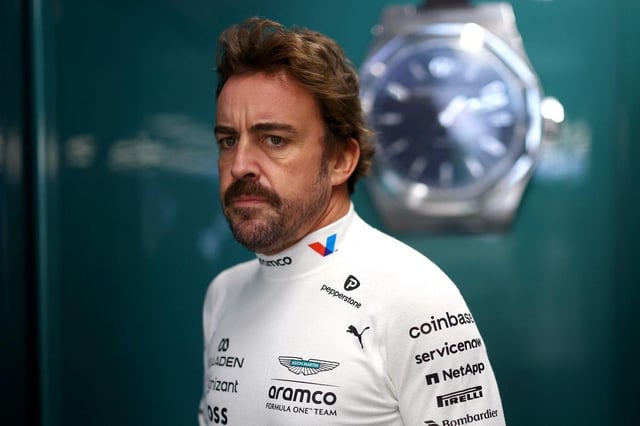
Aston Martin's Fernando Alonso has launched the bluntest broadside of his comeback era at Formula 1's hybrid power units, telling reporters in Canada that the sport has paid for the technology with a decade of racing quality and that he is now waiting for the post-2030 era to return to what he considers pure racing.
The two-time world champion was speaking against a 2026 season that has produced near-constant rules tinkering. F1's new super-hybrids run an almost 50-50 split between combustion and electrical power, and the season has already required two mid-year tweaks to qualifying and battery deployment after drivers complained the cars were not at the limit. Further changes for 2027 will move the energy split closer to 60-40 in favour of the combustion engine.
For Alonso, the patches do not address the root cause. The Spaniard's position is that hybrid Formula 1 rewards lifting, conserving and managing rather than attacking, and that the racing has paid the bill across more than ten consecutive seasons.
"Unfortunately, we have had this period since 2014 with the turbo era and now even more so where we have lost nearly a decade or even more of pure racing," Alonso said.
The framing here matters. Alonso has criticised the hybrid era before, but typically in technical terms - energy targets, deployment maps, regen windows. Calling out a full decade of lost racing is a categorical rejection of the regulatory direction the sport has been on since the V8 era ended.
The Spaniard has openly tied his own competitive horizon to the next regulatory reset, scheduled for the start of the next decade. A return to lighter, simpler combustion engines - widely expected to involve a V8 architecture - is now under serious discussion at the FIA. The 44-year-old has effectively told the paddock he is more interested in racing that car than the one currently parked in his Aston Martin garage.
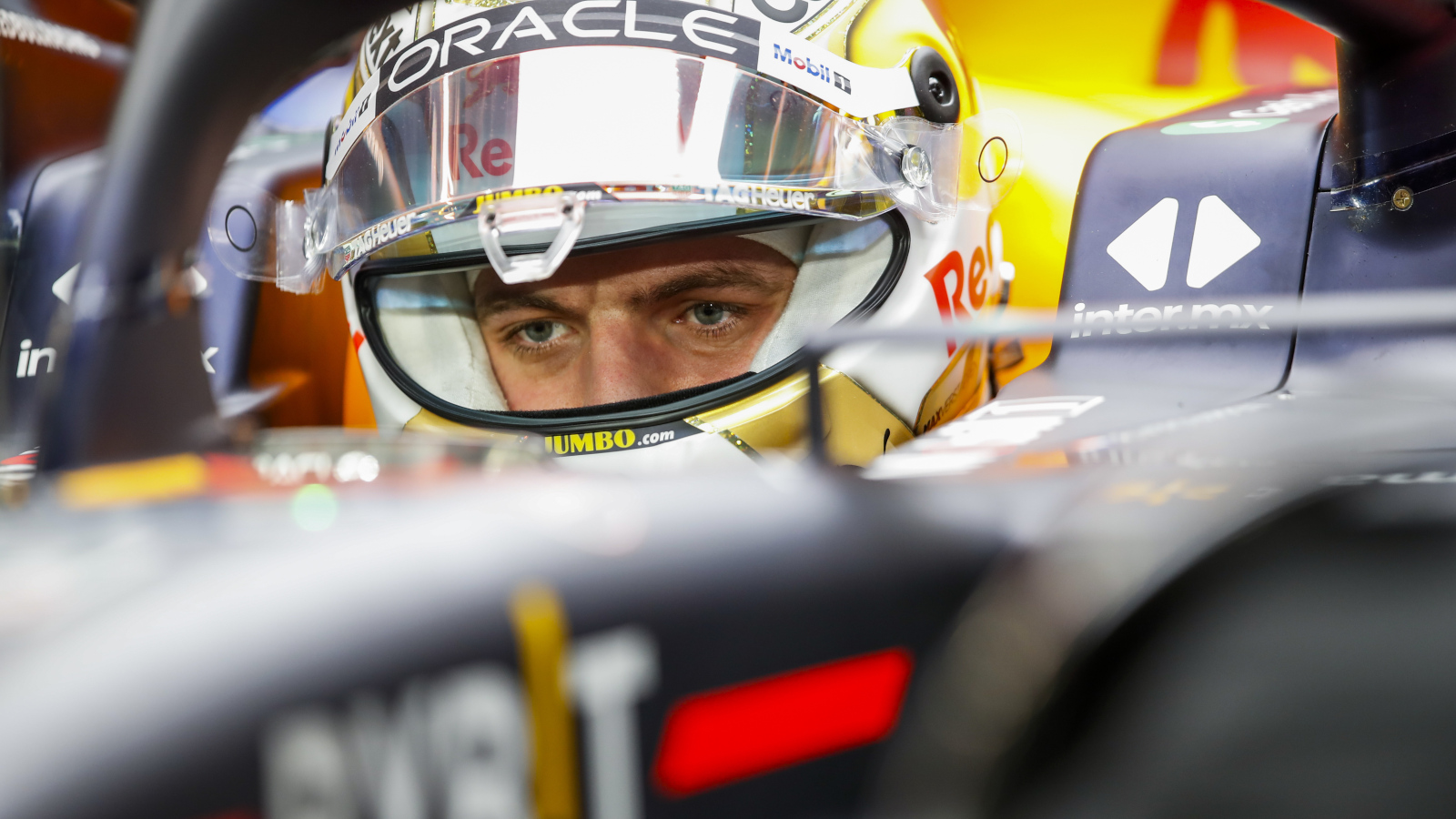
He is not the only senior driver complaining. Max Verstappen has called the 2026 regulation cars "anti-racing" and described his own Red Bull as "horrendous." But Verstappen's frustration has tracked his own machinery; Alonso's is aimed at the philosophy underpinning the rule set itself.

The 2026 hybrid era has, undeniably, had its winners. Kimi Antonelli has converted Mercedes' power unit advantage into four straight wins and a 43-point championship lead. Lewis Hamilton has produced his happiest Ferrari weekend yet in a chassis that punishes errors and rewards smooth deployment. The system is producing competitive racing for those equipped to optimise it.
Alonso's point is that drivers should not have to optimise for it at all. With the longest comparator in the pit lane - having raced the V8 and V10 generations - his verdict carries the weight that comes from having seen what the sport used to look like. The 2027 tweak, his comments suggest, will not be enough.