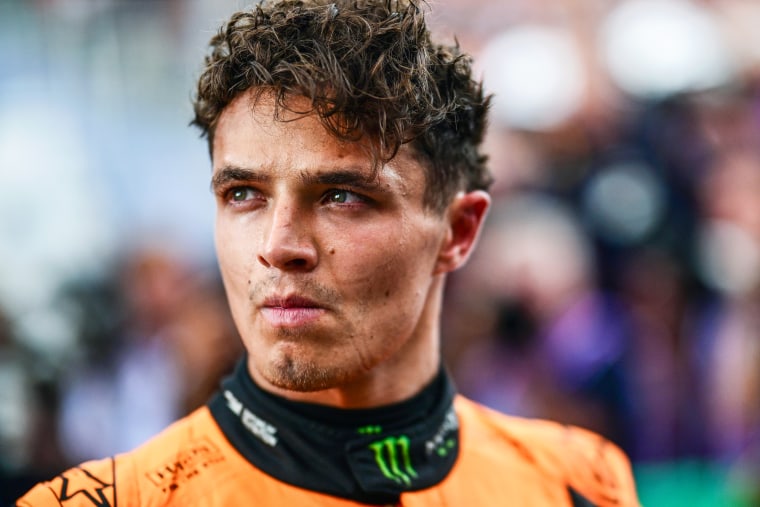
Martin Brundle's Sky F1 preview ahead of the 2026 Canadian Grand Prix carried a warning none of the drivers in the paddock will be in a hurry to challenge. Across four rounds of the new formula, F1's 2026 cars have not raced each other in genuine wet conditions — and Montreal's forecast could change that this weekend in a setting that will not flatter mistakes.
Brundle was direct about the mood among the drivers.
"The drivers are all a little bit scared of just what these cars are going to be like in the rain," he told Sky Sports F1.
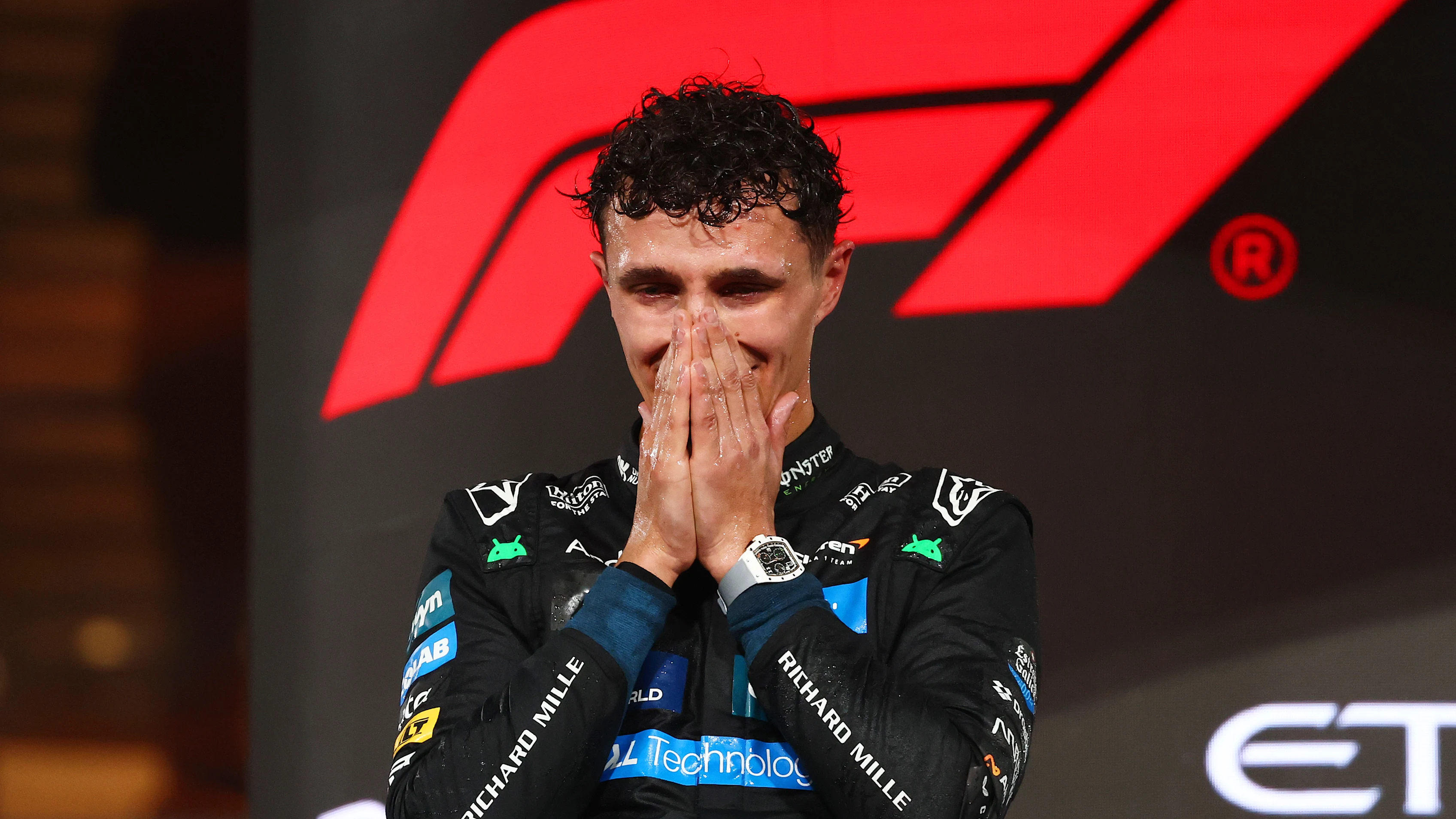
The physics behind that nervousness is structural. The 2026 generation pairs a bigger electrical contribution to total power with a deliberately scaled-back aerodynamic footprint, and the combination has never been pushed in the conditions that punish that mismatch hardest.
"They have got so much power and less downforce, less grip, and they don't know yet," Brundle said.
Four rounds — Australia, China, Japan and Miami — passed without a single wet competitive lap of any consequence. Brief showers in practice do not count for much, and the lead commentator made it clear that the question of how this generation of car behaves in a competitive wet session is genuinely open.
"Nobody really had that opportunity to push them in a competitive situation, so we could see, could see some drama," he added.

Montreal is a poor place to find out. The Circuit Gilles Villeneuve runs along a narrow island ribbon, with walls planted within a metre of the racing line at multiple points. The Wall of Champions has caught Damon Hill, Michael Schumacher, Jacques Villeneuve and Jenson Button in its time, but the back-straight kink and the exit of Turn 7 have produced as many costly wet shunts in earlier generations of car. None of those cars carried the deployment characteristics of the 2026 platform.
The meteorology is not helpful either. Saturday's Sprint and Sprint qualifying programme is currently sitting at around a 40% probability of drizzle, and Sunday morning has crept towards 50% chance of rain. Overnight lows close to 4 degrees Celsius will leave the racing surface greasy in the early sessions even on a dry day, and the bigger 2026 power deployment will only amplify the consequences of any error on cold rubber.
The Sprint format adds a layer Brundle did not call out by name, but which sharpens his point. Friday's solitary hour of free practice is the only window in which teams will gather wet running data — if the rain arrives on Saturday morning, drivers will be effectively entering competitive sessions on the new cars with no benchmark.
Brundle's central argument lands harder when you put the pieces together. More power, less downforce, less grip, no competitive wet baseline, walls on every corner exit and a Sprint format that compresses the learning window into a single afternoon. The drama he hinted at could arrive within Friday's first hour.

For a sport that has spent the season hunting for a way to make the new formula feel familiar, Montreal might supply more answers than anyone wanted.