
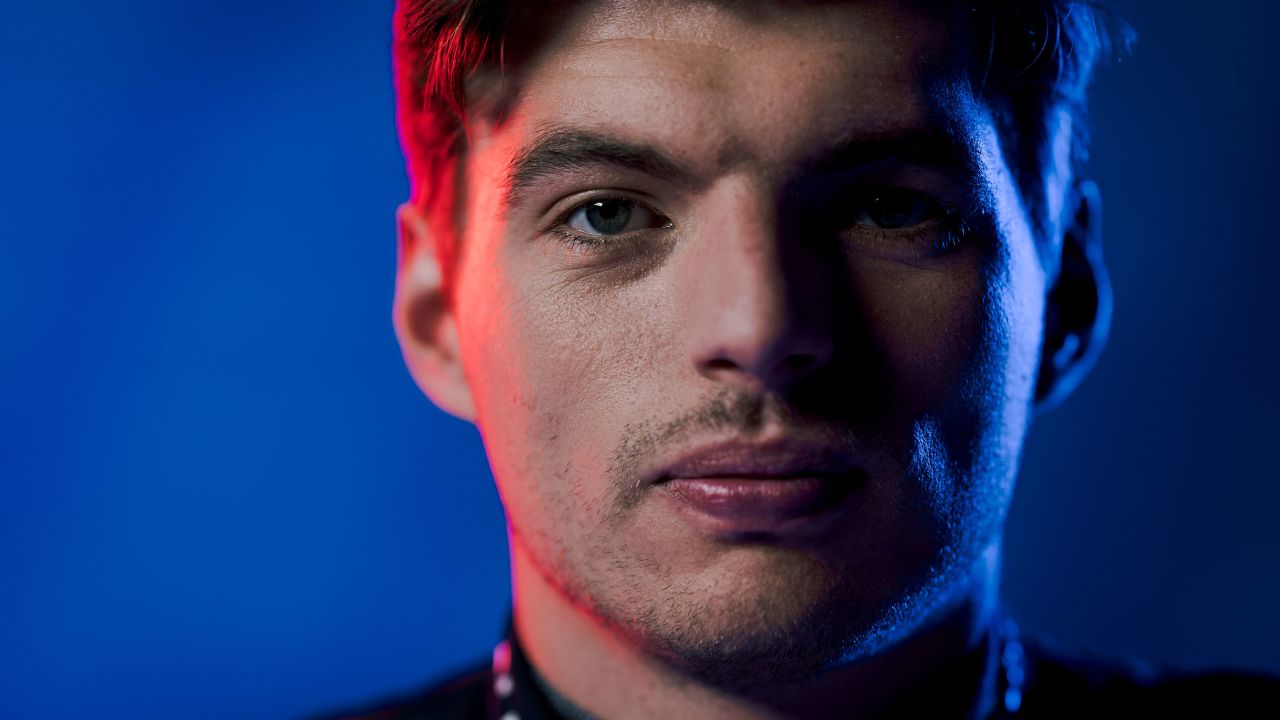
Max Verstappen has spent a decade in Formula 1 building a reputation as the driver least likely to defer in a wheel-to-wheel exchange. So when, on Friday evening at the Nürburgring 24 Hours, the four-time world champion sat down with his Mercedes-AMG GT3 teammates and quietly handed the opening stint of the race to Daniel Juncadella, the explanation he offered was more revealing than the call itself.
Verstappen had taken every practice start across the build-up to the race in the #3 entry. The original plan had him leading the car off the line from fourth on the grid. On Friday night, with qualifying done and the lights only hours away, Verstappen changed his own plan and asked the experienced Spanish endurance racer to start instead.
"I think you should start. I know myself, this is a 24-hour race. We're starting fourth and I know I'll immediately want to fight everyone. It's better if you take the start," Verstappen told Juncadella.
Three sentences. No bravado. The Verstappen who arrived at the Eifel circuit publicly chasing a Niki Lauda endurance benchmark voluntarily stepped back from the showpiece moment of his own race because he understood, with disarming clarity, that the racing instincts that have made him an F1 great are the wrong instincts for the opening laps of an N24.
Juncadella obliged. A Mercedes factory man with previous Nürburgring 24 experience, he held the #3 entry in the leading group through his opening drive and handed the car back to Verstappen for a clean double stint. By the time the Dutchman climbed in, the chaotic first hour — historically the deadliest phase of the race — was over. The car was running comfortably in the top three.
The wider context sharpens the call. Verstappen had wanted this race for years, prepared for it relentlessly in the simulator, and made no secret of his ambition to be on the podium. He could easily have insisted on the start. He did not.
The undertone of the call is that endurance racing rewards an entirely different mental model from a Formula 1 grand prix. The F1 default — attack on the brakes, dictate the first lap, decide which battles will define the next ninety minutes — is the same default that ends N24 entries before sunset. Juncadella's job was to nurse the car through Adenauer Forst and the Karussell in the opening hour; Verstappen judged that he himself could not be trusted with that mandate.

The weekend was ultimately undone by a mechanical failure. The #3 lost a drive shaft with three hours of the race left, with Verstappen still circulating in the lead group, ending what had been a strong campaign. He has already publicly committed to returning in 2027.
But the Friday-night decision will linger after the failure has been forgotten. "I know myself" is not a sentence Max Verstappen is used to saying out loud, and the fact that he was willing to say it — in the moment, to a teammate, before the showpiece moment of an event he had spent months preparing for — is the kind of small detail that says more about a driver's evolution than any post-race interview.
For the F1 paddock, watching from the dry of the Canadian Grand Prix paddock this weekend, that is the line worth taking home.