
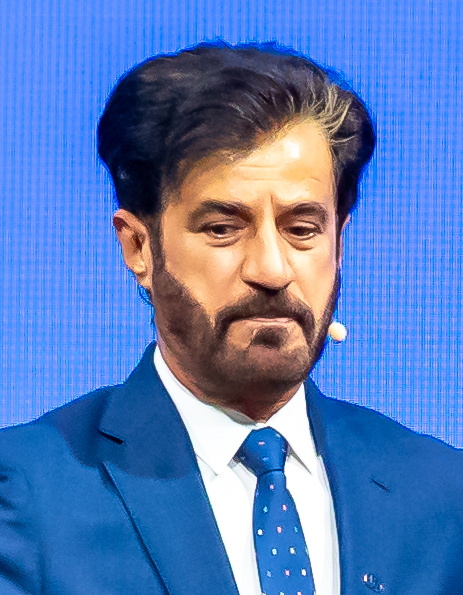
Canada's qualifying sessions this weekend will be run on the tightest energy recovery budget the FIA has set all year. Ahead of the 2026 Canadian Grand Prix, the governing body has confirmed a 6 megajoule per-lap recharge cap for both Sprint qualifying and main Grand Prix qualifying — the lowest figure imposed in the opening third of the new formula's debut season.
Montreal joins the Red Bull Ring and the Las Vegas Strip Circuit at that 6 MJ ceiling. Only Monza is expected to drop further, with a 5 MJ figure projected for the long-straight Italian round later in the year. Race conditions are looser — drivers will have 8 MJ of recovery per lap as standard during Sunday's Grand Prix, climbing to 8.5 MJ with overtake mode activated, and the same 8.5 MJ ceiling applies in free practice.
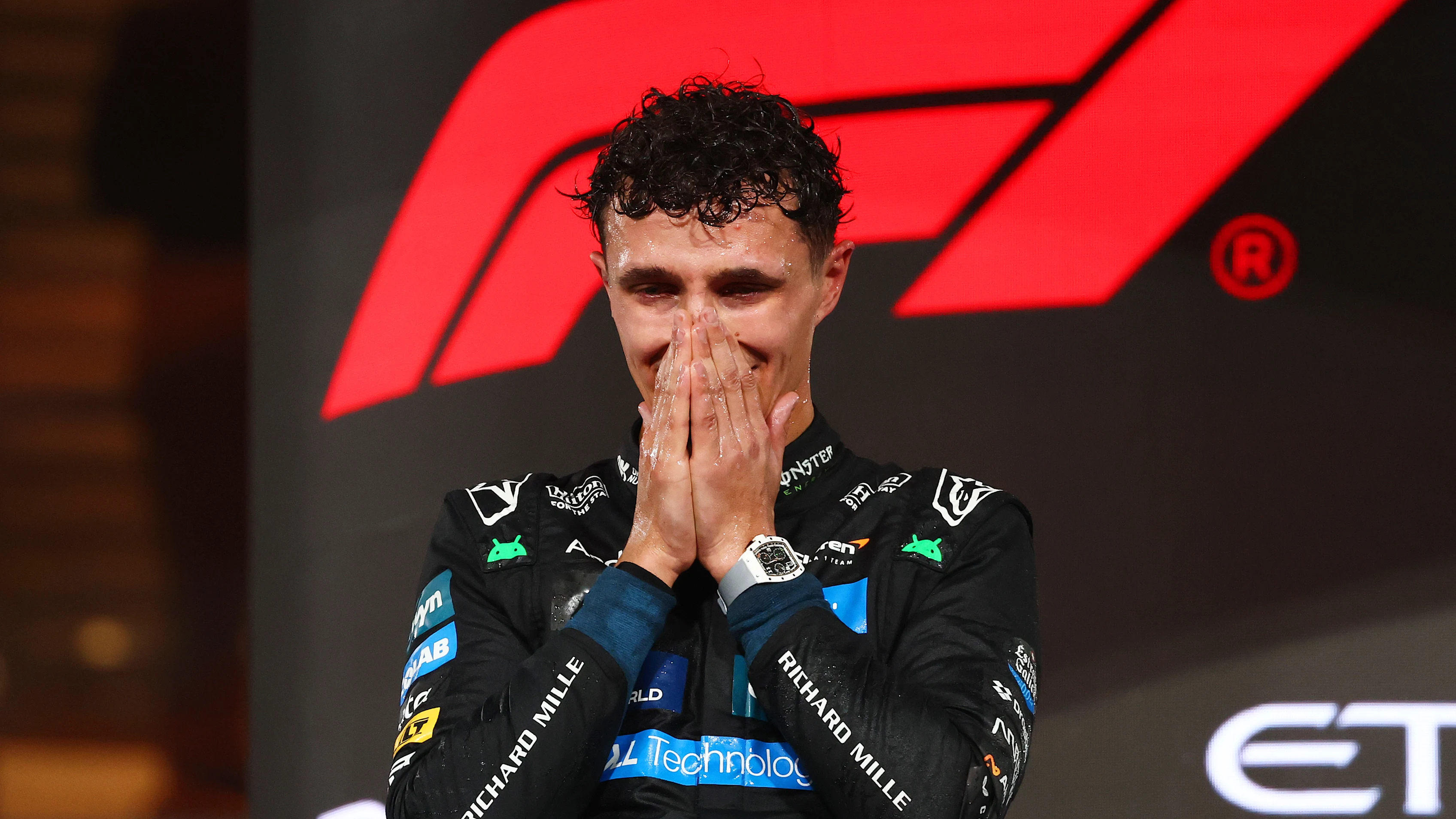
The FIA's intention is structural rather than punitive. From the opening race in Australia, drivers including Max Verstappen and Lando Norris have argued openly that the 2026 generation of cars is forcing them to lift and coast even in qualifying — when the spectacle most demands a flat-out lap. The recharge lever is the FIA's most direct tool for changing that, and it has been tightened progressively across the year. Bringing the qualifying cap down to 6 MJ in Montreal effectively removes the easy energy buffer engineers have been using to soften single-lap deployment.
Circuit Gilles Villeneuve is unusually well chosen for the experiment. The lap relies on heavy stops at the hairpin and the chicanes, but the recovery zones are short and asymmetric, and the long run between Turn 13 and the Wall of Champions consumes more deployment than nearly any other layout on the calendar. Teams that misjudge their energy model on the lower cap will be visible immediately — drivers crawling on the back straight, scrubbing speed before the wall.
The Sprint format makes the squeeze sharper still. Canada hosts its first Sprint weekend in 2026, which means only one hour of free practice precedes Sprint qualifying on the same restricted ceiling. Engineers will have to commit to a deployment map without the buffer of an FP2 to refine it. Get it wrong, and a driver could be quickest in practice and out of Q1 by lunchtime.
For the championship picture, the calculation tilts subtly. Mercedes have built their setup window around George Russell and Kimi Antonelli attacking from the front rows on layouts where deployment matters more than aero, and a 6 MJ qualifying cap rewards a power unit with a wider deployment plateau over one lap. Ferrari arrive carrying a publicly acknowledged 22-horsepower deficit and have been masking it with aerodynamic tricks; the new cap removes one of the levers they had been using — quietly trimming deployment to find single-lap pace — because there is now less left to trim.
The FIA's pitch to the drivers is clear. If they want a qualifying session where the lap is bigger than the energy budget, the energy budget has to be smaller than the lap. In Montreal, it will be.