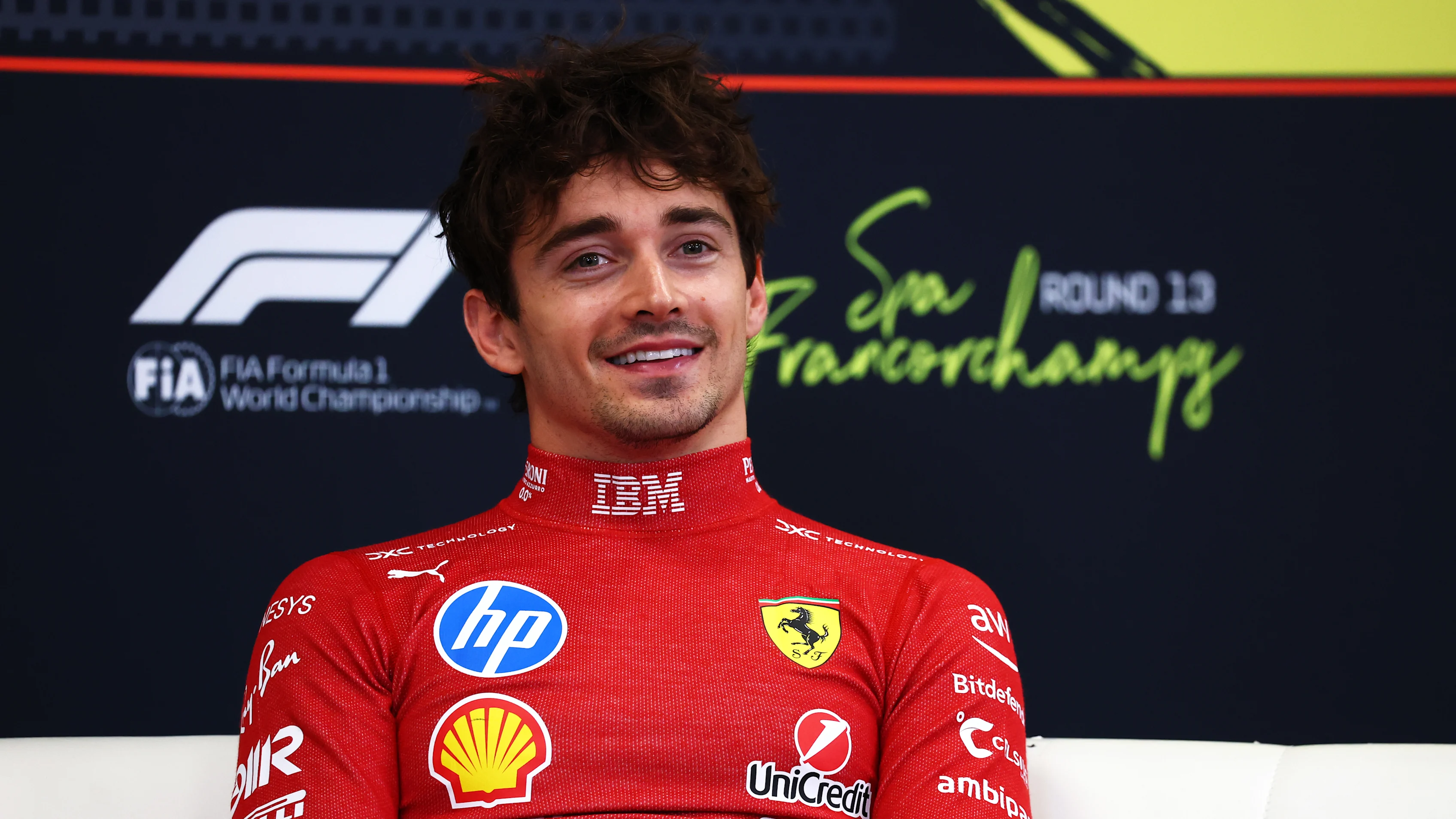
Most of what drivers think about the 2026 F1 cars they say in private. They tell engineers, they tell team principals, they grumble in driver briefings. What makes Liam Lawson's intervention notable is that he said it out loud, and he said it in plain English.
"We want a car that's playful to drive, and you can push hard, and it makes cool noises," Lawson said in Miami.
Three things in one sentence, and each one of them is a quiet criticism of the current generation. The 2026 cars, by widespread driver consensus, are not playful. The energy-management rules mean drivers cannot push hard for entire laps. And the noise – well, no F1 driver in the last decade has ever called the current power units "cool" on the record.
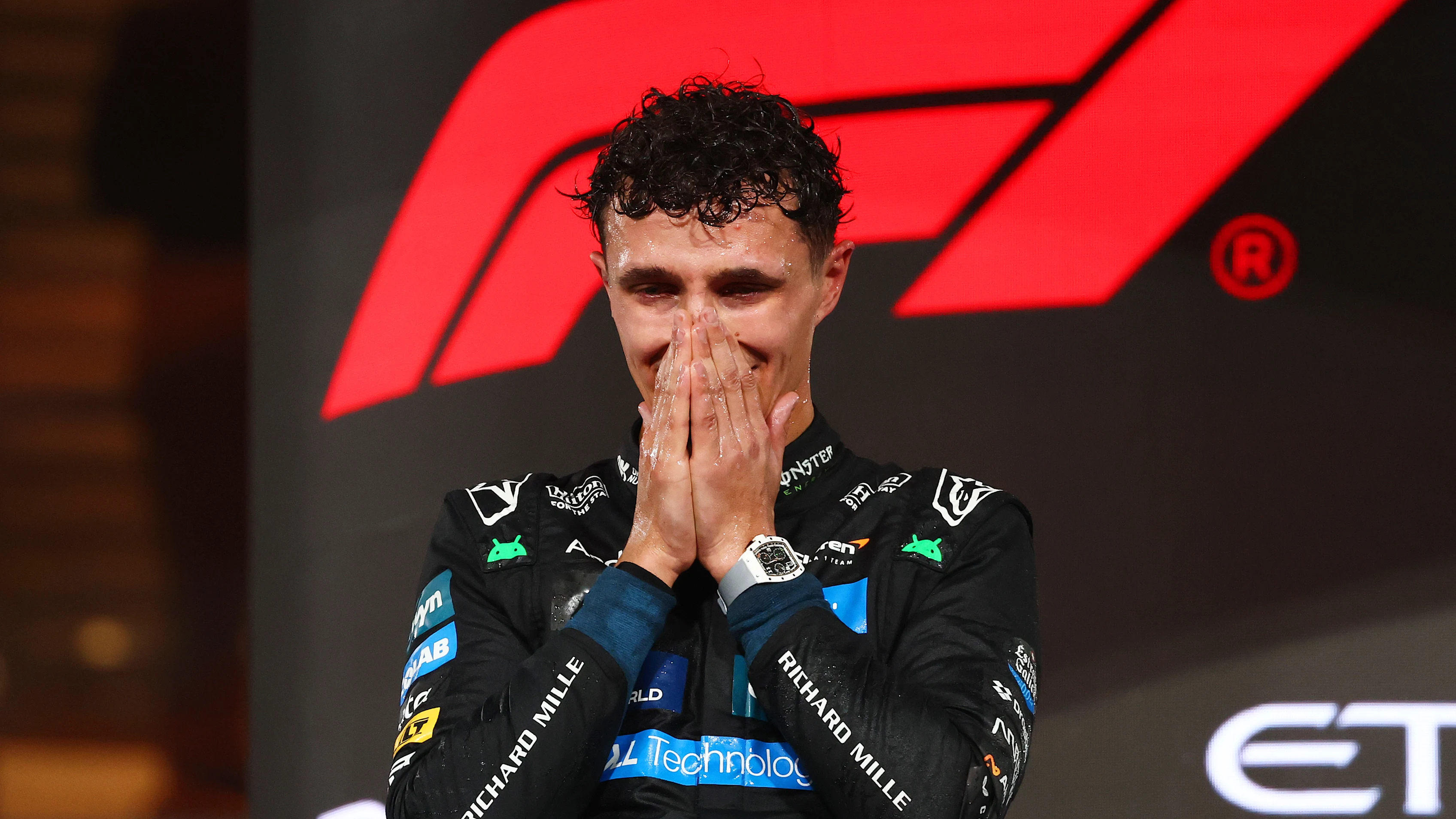
Lawson framed his complaint from the cockpit, not from a regulatory perspective.
"To be simple, from a driver's side, we want to get in the car, we want to drive as fast as we can," he said.
The carve-out for the 2025 cars, while a touch more sympathetic, is no kinder.
"Last year they were extremely fast, obviously, but even last year there were big limitations with the car, it was very low, very stiff, wasn't nice actually to drive sometimes," Lawson said.

For an active F1 driver to describe the cars of the previous generation as "not nice to drive sometimes" – and to do so on record, in a press session – is a meaningful statement. It is the kind of comment teams normally manage out of their drivers. Lawson said it cleanly and moved on.
Where the criticism becomes part of a wider story is in its overlap with what other drivers have said this week. Fernando Alonso has called the hybrid era a "lost decade" of pure racing. Max Verstappen has called the 2027 engine tweak the "minimum" he was hoping for. Carlos Sainz has warned about the safety implications of power clipping. None of these are rookies complaining about a hard week. They are some of the most experienced and most marketable drivers on the grid telling the regulators that something is structurally wrong.
The answer the sport is building is a longer one: a return to V8 power, with sustainable fuels and a simplified hybrid layer, no later than 2031. That is six years away. The 2027 tweak fills the gap with a band-aid – a different combustion-to-electrical split, more usable deployment, fewer clipping moments. But the drivers, increasingly, are telling the audience the band-aid is not the same thing as the fix.
Lawson also flagged Monaco as a particular flashpoint.

"I really hope so," he said when asked whether drivers would be able to genuinely push there. "It's a track that we should be able to push and not worry about any energy, and that's what we want to do."
That is the heart of the complaint. Monaco is the cathedral of attack F1. The idea that a driver might have to lift mid-corner in the principality because his battery is running short is, for many in the paddock, the clearest possible argument that the formula has wandered too far from its identity.
Lawson's voice is not the loudest one in this debate. Verstappen carries box office. Hamilton carries legacy. Alonso carries the institutional memory. But Lawson's contribution is doing two useful things at once. It is putting a contemporary, mid-grid voice behind the V8 lobby. And it is making explicit, in plain language, what most drivers are saying in private about the 2026 cars.
They are not what the people racing them want.
The regulators have a 2027 tweak. They have a 2031 reset. The drivers, more openly each week, are telling them the longer they wait, the more credibility they bleed.