
The landscape of Formula 1 will undergo notable changes in the 2025 season, with several new regulations that teams and fans alike should prepare for. While significant adjustments are projected for 2026, including new technical regulations and the introduction of an 11th team—Cadillac—2025 brings immediate shifts in the sport's rules.
"We are always striving for better safety measures and competitiveness, and these new rules reflect that focus," said F1 Technical Director, Pat Symonds.
"We are always striving for better safety measures and competitiveness, and these new rules reflect that focus,"
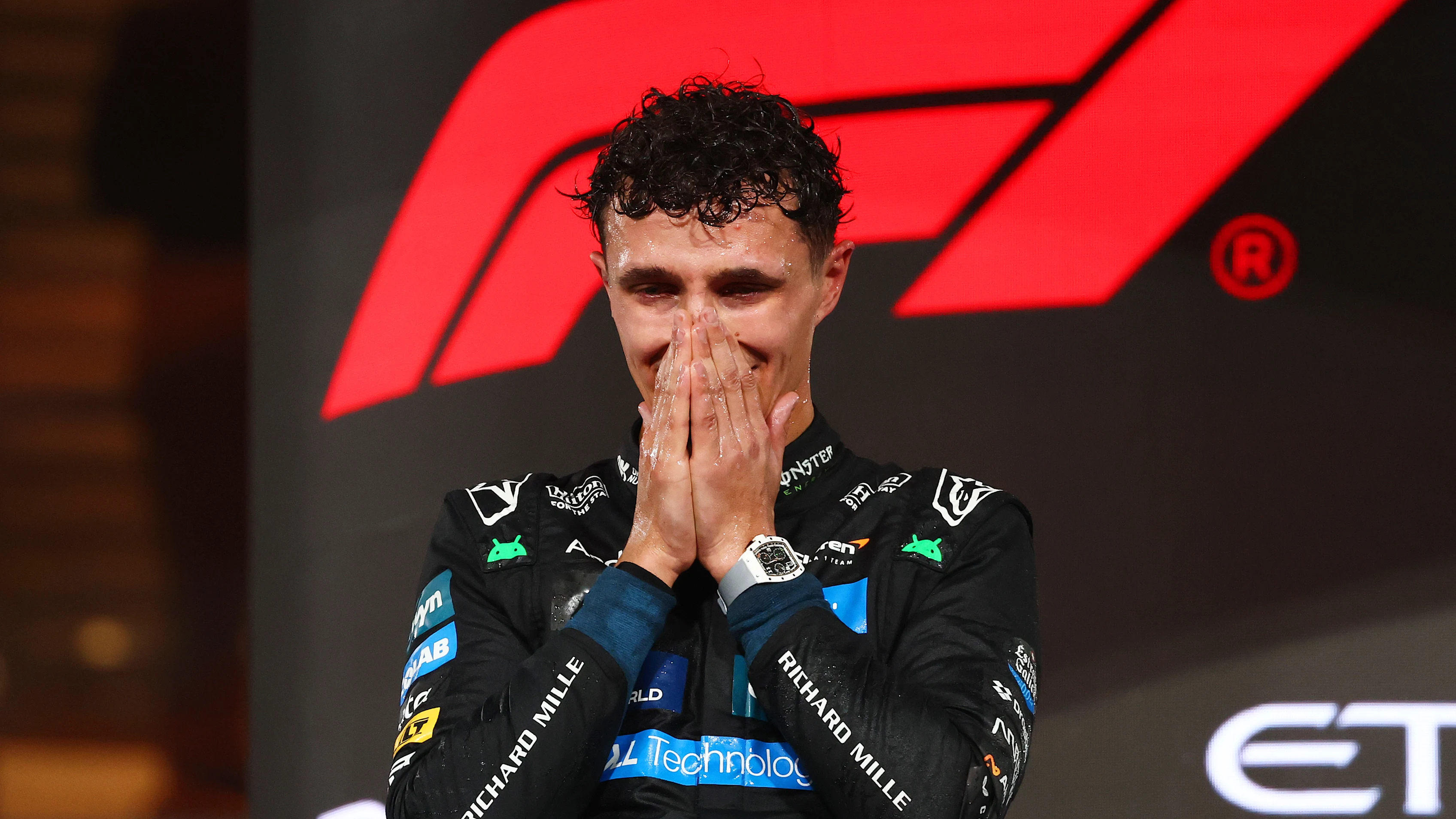
Among the foremost adjustments is an increase in the minimum weight of the cars. According to the updates made to Article 4.1 of the F1 Technical Regulations, the weight limit will rise from 798 kg to 800 kg. This change notably stems from a rise in the minimum driver weight from 80 kg to 82 kg, addressing the concerns regarding the health and safety of taller drivers. Charles Leclerc commented, "These enhancements are crucial for ensuring that all drivers can compete comfortably."
Current Season
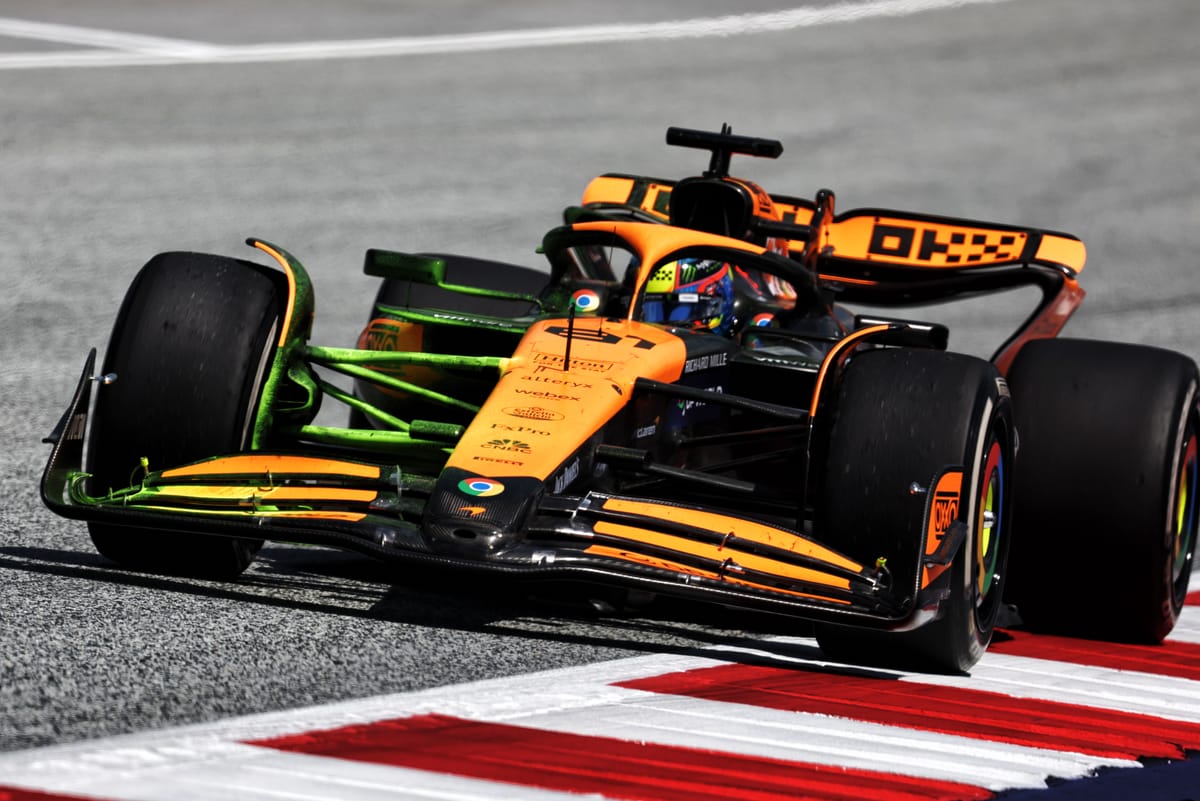
Another significant alteration is the tightening of rules surrounding the Drag Reduction System (DRS) and flex wings. Following design concerns highlighted during the 2024 season, the FIA has decided to implement stricter rules. The minimum gap requirement for the rear wing will decrease, changing from 10-15mm to 9.4-13mm. "We must ensure fairness and safety in our competition, and these changes are a step in that direction," remarked FIA Chief Technical Officer, Laurent Mekies.

"We must ensure fairness and safety in our competition, and these changes are a step in that direction,"
Team Dynamics
With these new regulations, teams must adapt their designs to comply with the updated specifications. Notably, the changes to DRS regulation will ensure that the two sections of the rear wing must maintain a minimum gap of 9.4mm to 85mm when deployed, further refining aerodynamic performance during races.
Impact and Legacy
The impact of extreme weather on drivers was starkly felt during the 2023 Qatar Grand Prix, which highlighted the physical challenges faced by competitors. To augment driver safety under harsh conditions, the FIA will mandate a driver cooling kit whenever temperatures exceed 30.5 degrees Celsius. "Last year was grueling; I didn’t think I would finish the race at points," said Esteban Ocon, who faced intense conditions.
"Last year was grueling; I didn’t think I would finish the race at points,"
This new cooling system is aimed at protecting drivers from the adverse effects of heat, a concern that underscores the FIA's commitment to driver welfare. Logan Sargeant, who experienced heatstroke during the Qatar event, articulated the necessity of such measures: "It was one of the most challenging races ever for us—and those conditions need to be managed better."
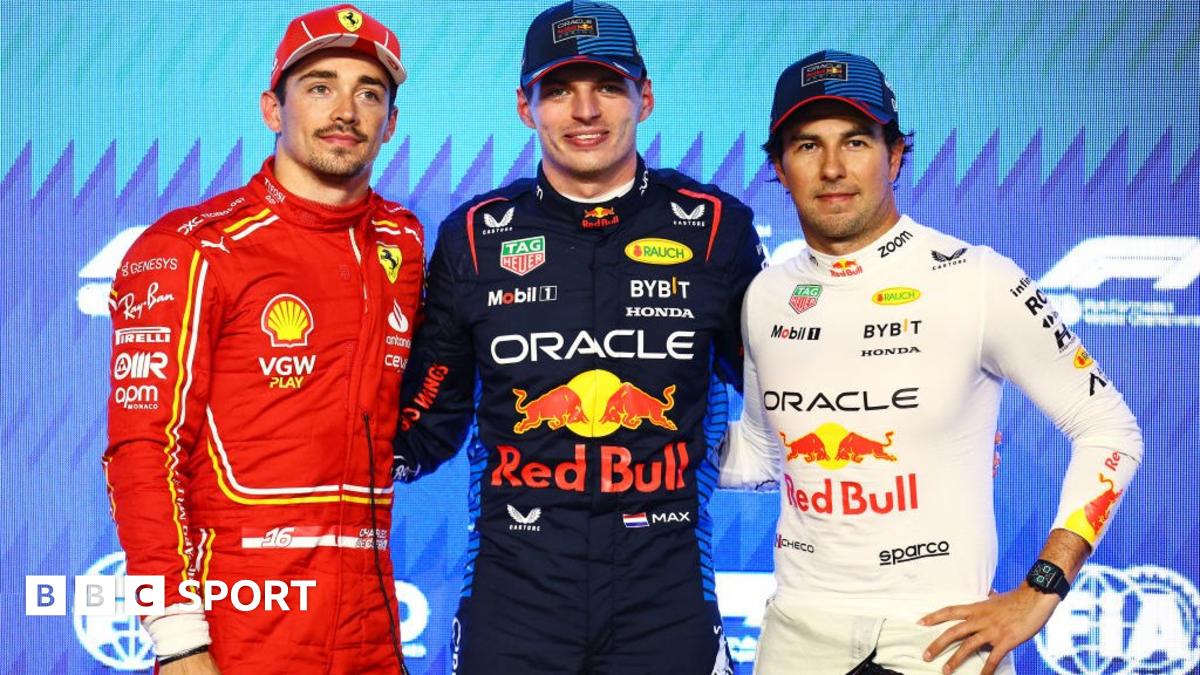
These rule adjustments demonstrate F1's proactive stance on the evolving nature of racing. As Andretti Global CEO Michael Andretti noted, "It's crucial that we stay ahead of the curve—adaptability is key in this relentless competition."
The introduction of these regulations signifies a transformative year for the sport. While the spotlight may be on driver movements and the exciting grid reshuffle, including Lewis Hamilton’s shift to Ferrari and Carlos Sainz Jr.'s new role at Williams, the underlying rule changes will significantly influence the technical landscape of the races.
As fans look forward to the upcoming season, there will be much to discuss, both on the track and within the technical parameters. With the multi-faceted array of changes, 2025 could very well set the stage for an exhilarating season, as teams, drivers, and fans adapt to these pivotal rules.