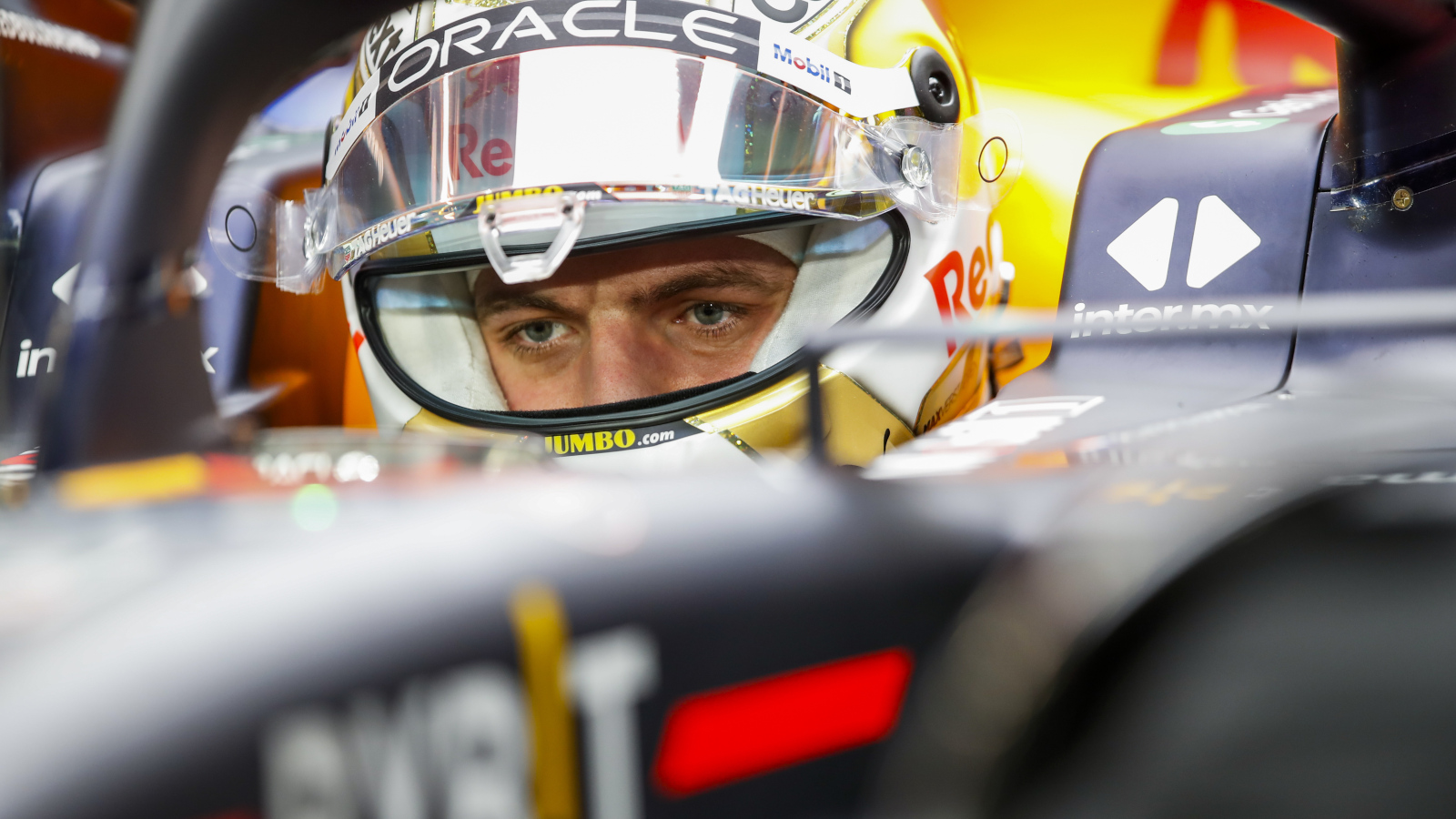
Red Bull Racing ran an unusually busy filming day at Silverstone this week, using their 200 km of on-track promotional running to roll out the biggest chassis upgrade the RB22 has seen so far in 2026.
The need for it is clear. Red Bull opted out of a traditional pre-season shakedown and have spent the opening three races doing chassis catch-up work. Silverstone was the first genuine opportunity to put a rebuilt front end, redesigned sidepods and a new DRS mechanism on the road — and to do it under the updated FIA energy management rules set to come into force at Miami.
The front wing is the most legible change from the leaked images. The nose is sharper than before, and Red Bull have finally fitted a footplate — an area they had left bare while most rivals ran their own version from early in the season. The flap package looks close to the Bahrain update carried through Japan, but the full assembly sits noticeably cleaner.
The mid-section change is where the real work has gone. Red Bull's Japan sidepod tweak was incremental; the Silverstone car moves to a more abrupt downwash, a visible bulge through the central section, and an engine cover with added downwash elements and a refined rear fin. The result is a tidier flow path to the rear end, and that is before you get to what is almost certainly a new floor hidden under the Milton Keynes security wrap.
The DRS mechanism is the headline straight-line item. The flap appears to open wider than previously, and Red Bull are hoping for a meaningful top-speed gain. It is not the team's answer to Ferrari's Macarena rear wing — that system rotates its upper element sideways through a much bigger arc — but it is their own attempt at solving the same drag equation.
Red Bull have also followed Ferrari onto the halo-winglet path. The pair of small additions to the halo area are an almost-direct borrow, and the carbon-fibre execution looks cleaner than the initial Ferrari iteration. Whether the halo itself becomes a real development frontier for the rest of the 2026 field will be one of the more interesting sub-plots of the season.
The rule-change context matters. Monday's FIA agreement raised peak super-clip power from 250 kW to 350 and cut qualifying energy harvest from 8 MJ to 7. Running the RB22 at Silverstone under those settings is arguably the most valuable thing Red Bull did all day. Flow viz was reportedly visible on the car, which says loudly that this was less a promotional shoot and more a real correlation exercise.

Between Red Bull's Silverstone day and Ferrari's own Monza filming session, the two teams who have been chasing Mercedes have effectively banked a head start on the new Miami rule set. Whether Red Bull's chassis upgrade delivers the redemption the RB22 has needed since pre-season will come down to Friday practice in Florida. It is, on paper, their biggest single upgrade in years.