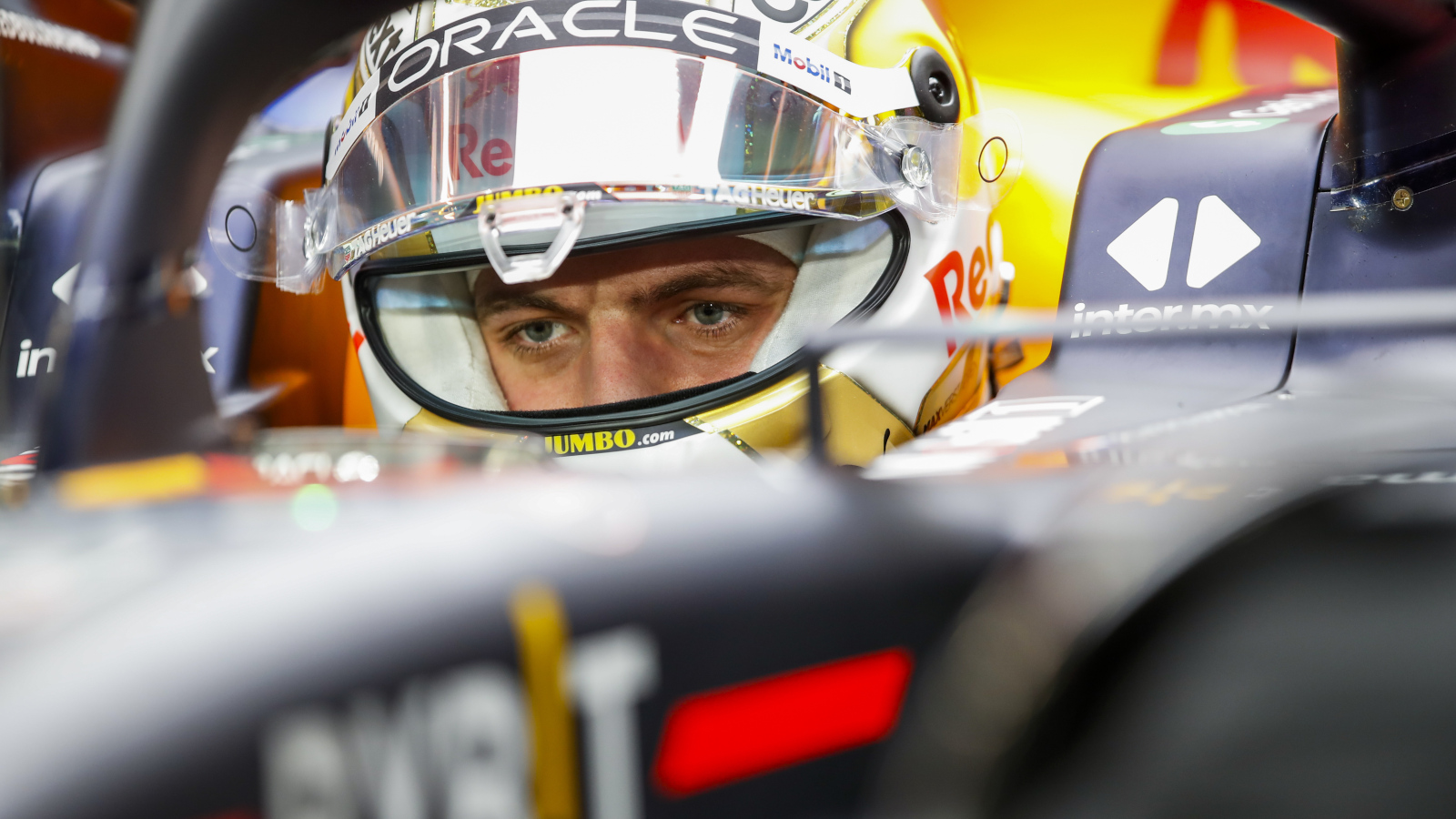
Max Verstappen's opening three races of 2026 have not just been a competitive dip. Read together, his radio calls and press answers form the clearest career warning the four-time champion has ever put on record.
The first salvo came in pre-season. "If anything I could tell you, it's probably like Formula E on steroids," Verstappen said in Bahrain when asked about the 2026 racing product. He had raised the same concerns in 2022 after running the regulations on the simulator — "To me, it looks pretty terrible" — and insisted at the time he was not exaggerating. Four seasons on, the Bahrain line made it unavoidable that he had been right.
Melbourne was where the frustration escaped the radio. A mechanical issue dropped Verstappen out of Q1, and he described it matter-of-factly: "The car just locked on the rear axle. I've never experienced something like that before in my career." A recovery drive from the back of the grid to P6 was reframed as an exercise in traffic management — "I'm also racing cars that are 2 seconds slower, you know."
By China the language had hardened. On the car: "It's incredibly tough to drive. There's no balance. I cannot lean on the car. Every lap is a fight." After a set of overnight changes made between sessions: "It's the same. We changed the whole car, and it makes zero difference." After sprint qualifying: "I have not a lot of words at the moment. Everything that could go wrong went wrong."
It was also in China that Verstappen began talking publicly about what he would do next. Asked about running in GT3: "I like racing other cars, as well. So this was basically the first time that, yeah, I could do it proper. I'm very excited." He was on a GT3 grid within a week.
Suzuka turned the temperature up again. Knocked out of Q3 by 18-year-old Arvid Lindblad, Verstappen told his engineer: "I think it's something with the car. Maybe it's completely undriveable. Suddenly in this qualifying." Red Bull team boss Laurent Mekies later conceded the car had taken a step backwards. In the race Verstappen's radio was unusually pointed — "You need to advise me faster. What can I do with the battery when I'm passing? Where am I going to lift? Are you happy?" — and he finished eighth.
The career signal followed on a podcast aired in the lead-up to the calendar's five-week break. "I would say, of course, the current regulations are not helping the longevity of my career in Formula 1," Verstappen said. Before leaving Suzuka he told reporters he had "some life decisions to make" and then offered the line that has stayed in the paddock's head since: "I'm very happy with my career, anyway, already in Formula 1. I can easily leave it behind."

Red Bull's response is operational. A substantial RB22 chassis package rolled out at the Silverstone filming day this week and will be fully introduced at Miami. Team principal Laurent Mekies and the Milton Keynes engineering group still believe Verstappen can be dragged back into title contention by the European summer.
None of that, though, answers the question Verstappen has now put on the record. It is no longer about whether he can beat Mercedes this year. It is whether, after a season of fighting a car he does not enjoy driving, he wants to keep doing this at all. Three races in, the man who has defined the last half-decade of Formula 1 is weighing the exit.