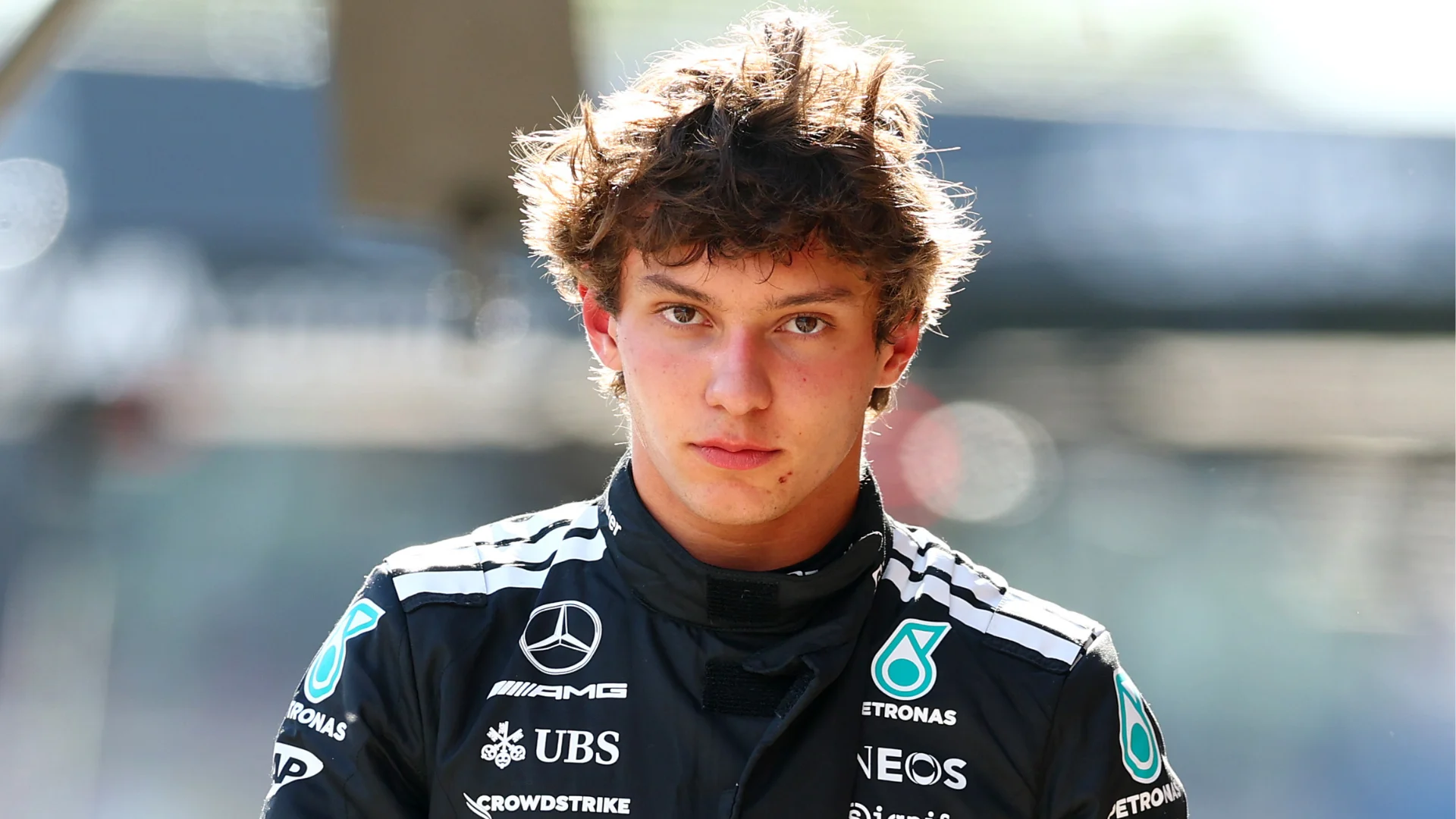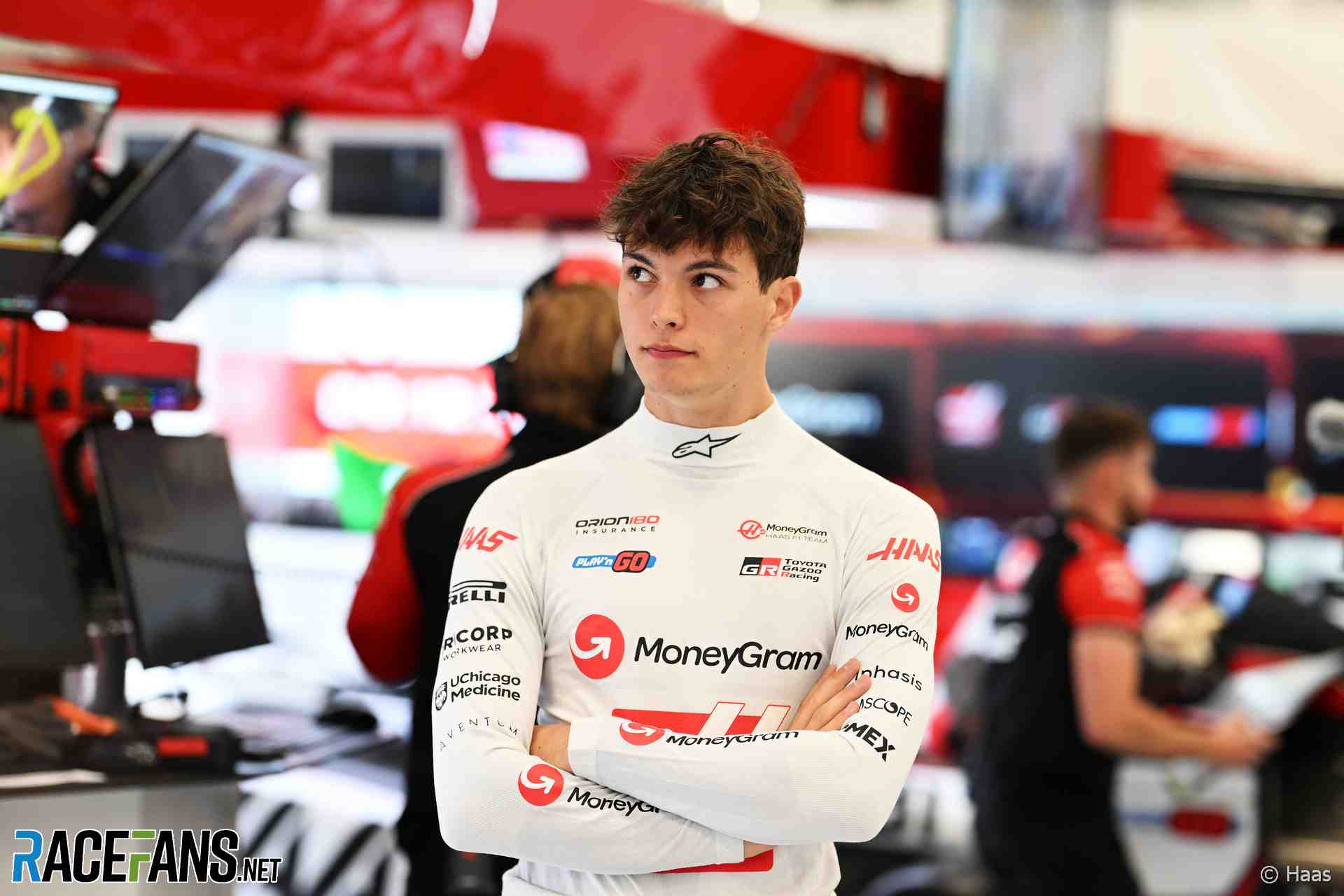
Formula 1's drivers are no longer suffering the 2026 closing-speed problem in private. Ollie Bearman's 50G Suzuka crash has given the grid the trigger it needed to push the FIA publicly, and the voices now demanding change include some of the most senior on the grid.
The incident itself was the outcome everyone had feared. Bearman closed on Franco Colapinto's Alpine — which was harvesting energy at reduced pace — at a delta significant enough to produce a 50G crash trace. On the P1 podcast, the analysis was blunt: calling a 50G impact a "lucky escape" is absurd, but, as the host put it, it was a lucky escape because the alternative was catastrophic.
Carlos Sainz has emerged as the most important voice in the aftermath. In comments picked up by THE RACE, the Williams driver framed the FIA's listening habits as the real problem. "That's the problem when you listen only to the teams," Sainz said. "They think the racing is okay because maybe they're having fun watching it on TV. The drivers have been extremely vocal — the problem is the racing too."
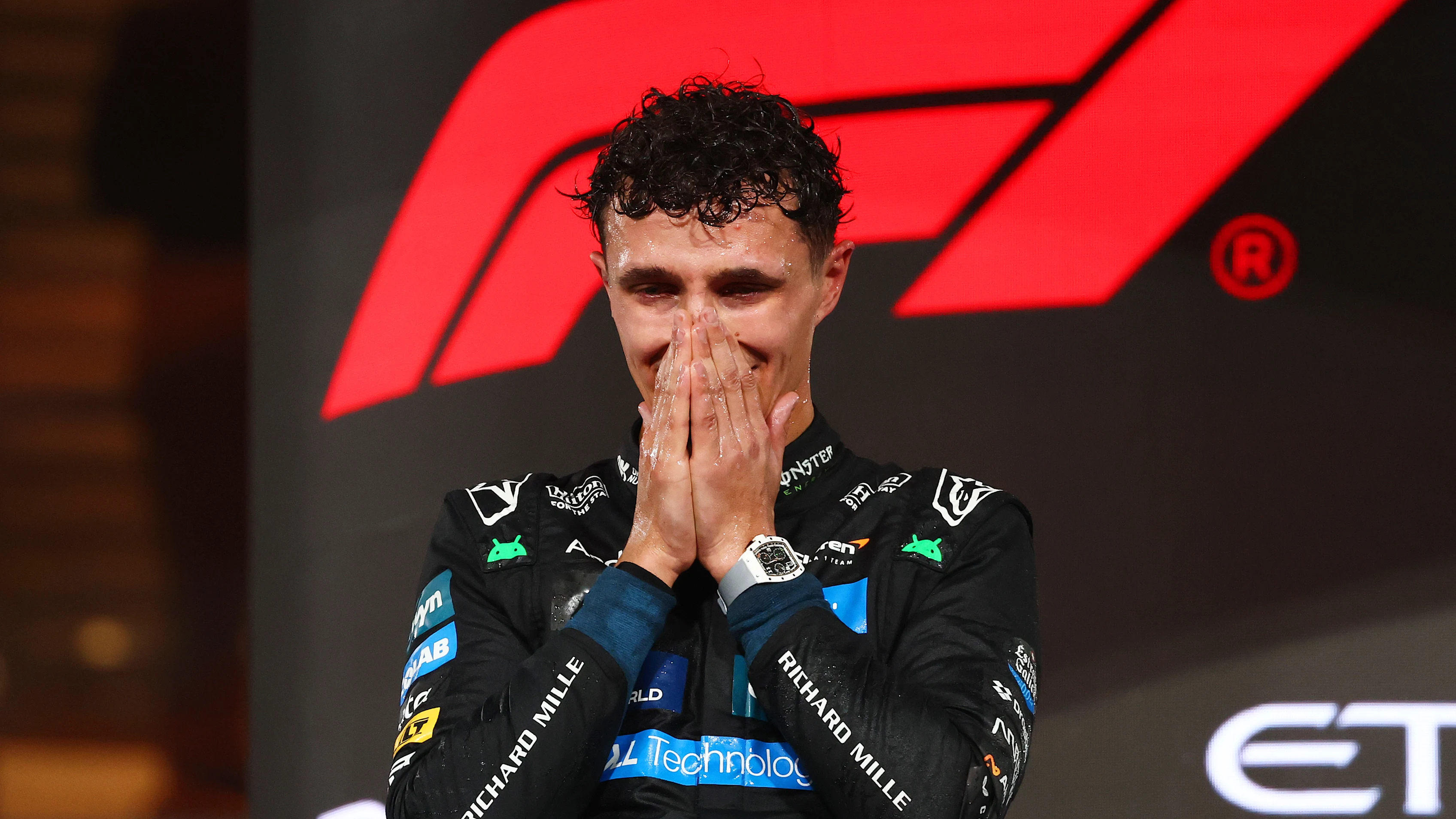
For Oscar Piastri, Bearman's crash merely confirmed a closing-speed pathology the McLaren driver had already lived through in practice. "I had a pretty close call in free practice with Nico, because he caught me about three times as quick as I expected on the straight and we were both at full throttle," Piastri said. "I think there's clearly an element of learning for us as drivers — where the accident happened, it's not a place where you expect someone to come from so far behind and have such a big speed difference. And whilst we're learning that, unfortunately things like this are probably going to happen, which is a shame."
The solutions Piastri sees are structural. "There's a lot of things we need to tweak, a lot of things we need to change," he said. "Especially on safety grounds, yes, there's some things that need to be looked into pretty quickly."
Kimi Antonelli, who took victory at Suzuka, acknowledged the FIA is responding — but also made clear the change will not be immediate. "Yeah, it's a big thing for sure," the Mercedes driver said. "FIA is already looking into how to improve for Miami, both in qualifying and race. Let's see what's going to happen, but it's very tricky to be fair."
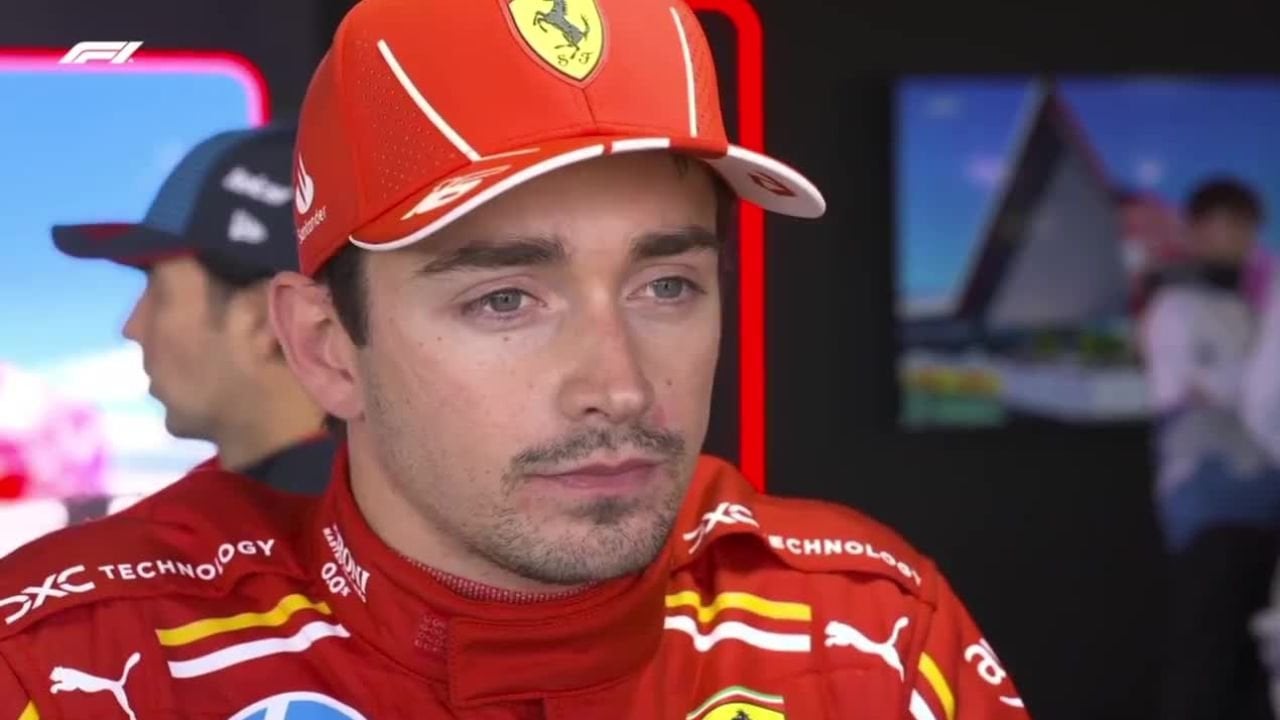
Charles Leclerc's position is subtler. The Ferrari driver is one of the few who has said, in public, that he is enjoying the 2026 car despite its obvious dangers — but even he concedes that the style of racing must adapt. "With this car, surely we need to race differently, and there's no doubt about that," Leclerc said. "Moving or changing direction whenever you are super clipping — that's what creates some quite dangerous scenarios. I don't know if I'm the only one, I don't think I'm the only one speaking with other drivers, but it might be half half. But I actually enjoy those cars for the racing bit."

Less conciliatory analysis has been heard on the pundit circuit. The P1 podcast's Matt went as far as to argue the 2026 package is beyond rescue — that the regulations are fundamentally flawed, that no incremental adjustment can fix them, and that the only viable safety path is to meaningfully reduce the importance of battery deployment in the power unit. That, the host argued, will inevitably make Formula 1 slower — but when the trade-off is driver safety, the answer is obvious.
The FIA's own stated priority is qualifying energy management, with rule tweaks expected before the Miami round. Whether those tweaks address the specific closing-speed conditions that caused Bearman's crash — or merely trim the edges of the performance envelope — is the question now dominating paddock conversations.
For the drivers who have been publicly warning about this scenario since testing, the answer matters more than it ever has.