
Charles Leclerc's Suzuka post-qualifying interview was not the emotional affair his post-China reflections had been. It was narrower, more technical, and — because of that — more revealing about the actual shape of Ferrari's 2026 problem.
The diagnosis, as Leclerc gave it, is this: Ferrari is not a car that is short of top-end engine power. It is a car that drops more lap time than a Mercedes-powered rival when the driver is extracting the absolute maximum from a Q3 lap. The difference is in how the two manufacturers' hybrid systems behave under peak load.
"The only thing that we struggle on our side for now is whenever we push in Q3," Leclerc said. "The optimization of the system is struggling a little bit, and then we lose times in the straight. So we lost a lot of lap time in the last run."
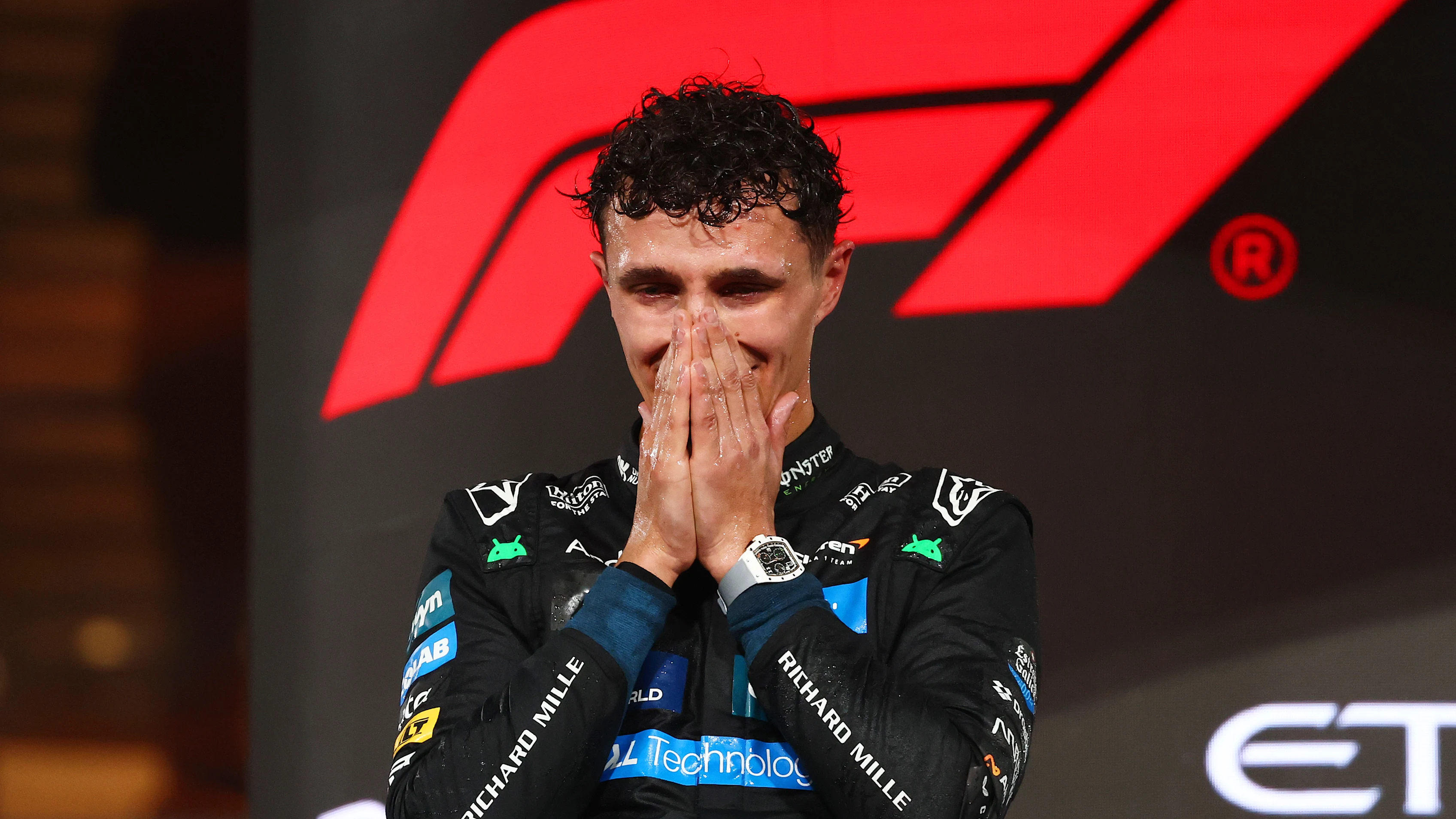
He was more direct when the comparison question followed. "I felt for some reason that we are a little bit more exposed to that compared to maybe the Mercedes engine, which is something that we need to look at."
That word — "exposed" — is the one Ferrari engineers will remember. Under the 2026 regulations, the internal combustion side of the power unit is effectively frozen for the season. What remains open, within narrow limits, is the way teams deploy, harvest, and manage electrical energy. Leclerc is arguing that Ferrari's deployment strategy — how and when the software chooses to release stored energy — behaves worse than Mercedes' when the driver is pushing hardest.
He was equally clear that help is not coming soon. "I think doing a step back on those first three races, there's a clear thing that we need to improve and this is surely the power unit. But we obviously cannot bring anything to Miami. But there's not only that, and in a year like this one, everything is very new. I think the rate of improvements of every team is massive. So there's a lot more than just the power unit. There's putting the tires in the right window. There's the aero, there's the chassis, and on that we'll work flat out in order to try and close the gap as much as possible to the Mercedes."
The Miami timeline matters. Several rival teams have been quietly briefing their first 2026 upgrade packages for the US leg of the calendar. Ferrari will not be among them. Anything meaningful on the power unit side, from Leclerc's framing, will not arrive until later in the season.

Leclerc also deflated the closeness narrative. "I don't think it's as close as what maybe people think," he said. "Obviously seeing the first few races, we see lots of fightings between the cars, which is actually quite nice. But as soon as you are a little bit suboptimal with these cars, you lose a lot of lap time. So our only chance to stay with them is to annoy them in the first few laps. But as soon as they get free air, they've shown their real pace in the last races. And I think there are still these four, five tenths that we've seen throughout these first two races."
Four to five tenths over an entire lap, consistently, against the benchmark car, is the kind of gap that turns a season-long championship fight into a mid-season catch-up project.
The follow-through matters. Leclerc's answer on what Ferrari can actually do in the short term — while the engine stays fixed — offers the most practical route forward the team has publicly sketched. "Surely they have — I mean the Mercedes have a big advantage over us at the moment," he said. "This is a focus, but we must not forget that there are huge gains in developing also the chassis, the aerodynamic, putting the tires in the right temp in the right window, and all of this makes the difference. So surely the engine we cannot change it for now anyway. In the meantime, we get there — we need to improve absolutely everything around the car."
"Everything around the car." That is the Ferrari project between Suzuka and mid-summer. Not a hero upgrade part. Not a single engine map tweak. A team-wide grind that tries to claw back four or five tenths out of a hundred small compromises, without being able to touch the biggest deficit: the power unit itself.
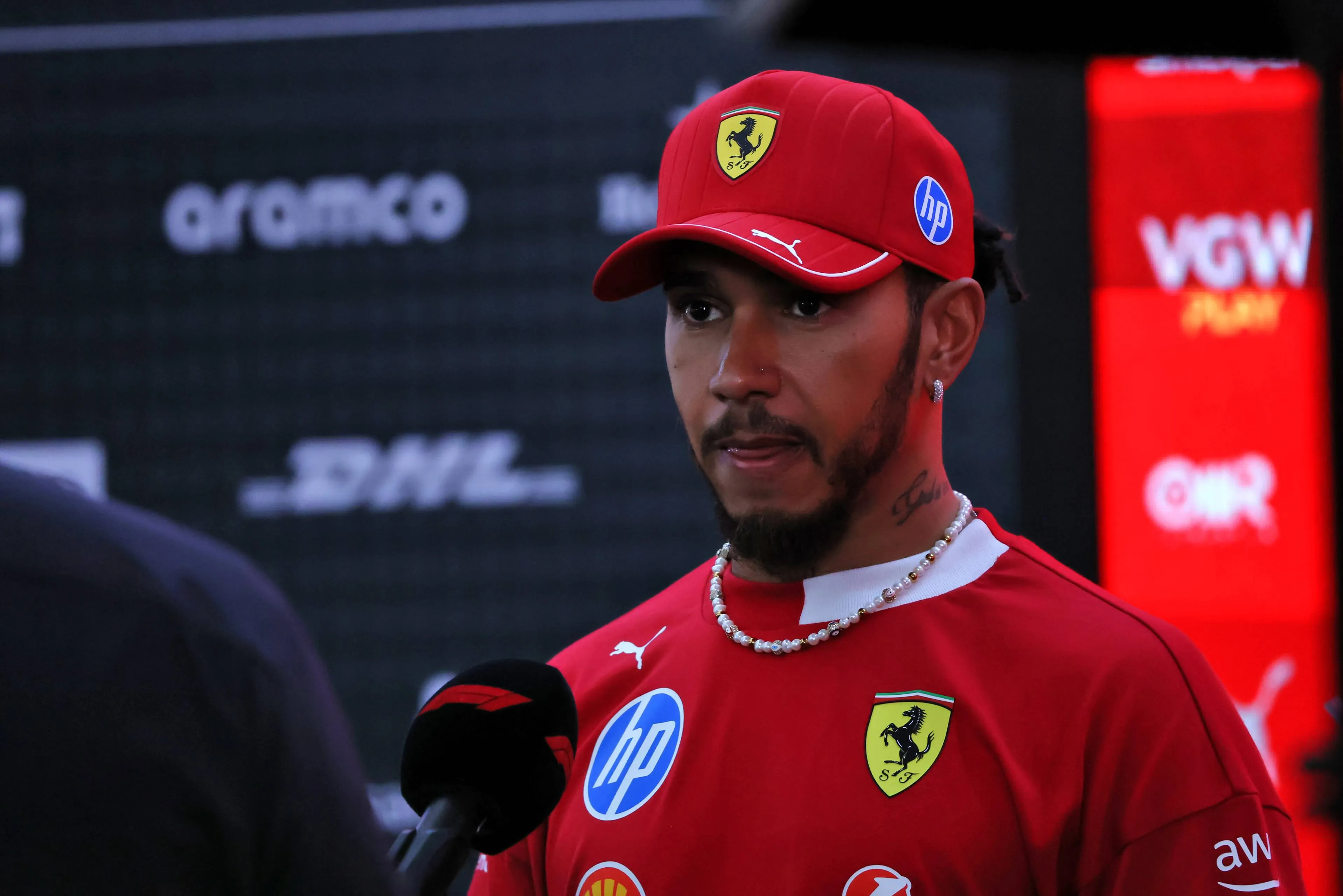
The most quietly significant line from Leclerc, in that sense, was the engineer's line. It wasn't a complaint about power; it was a diagnosis of a sensitivity. Ferrari 2026 knows what it is behind on — and it knows, for now, that it cannot fix it.