The 2026 Formula 1 season is barely three rounds old and the loudest conversation in the paddock has nothing to do with results. It is about what the drivers actually do anymore.
That question has been laid out most directly by the Grand Prix Unfiltered channel, whose Suzuka post-mortem argued that automation has crossed a line.
"If the car decides when to deploy power, if it dictates overtakes, if it even smooths out mistakes, what exactly is the driver doing? Is this still Formula 1 or is this just AI racing?"
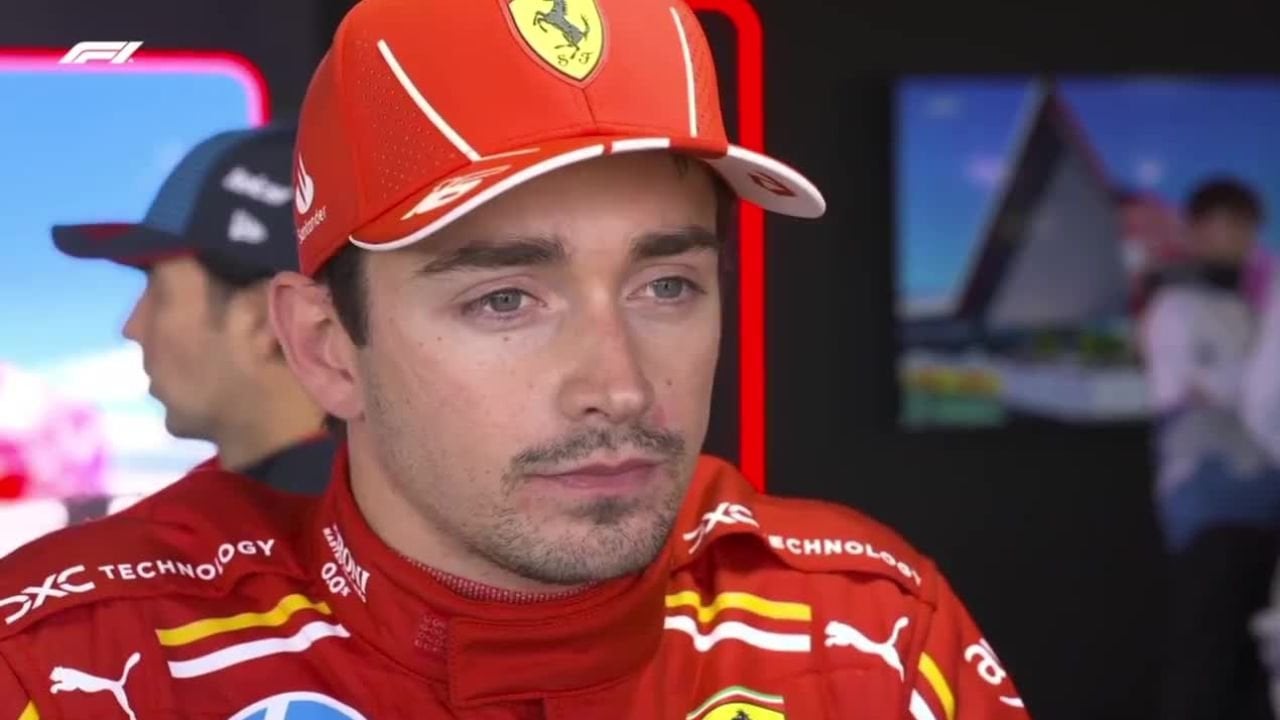
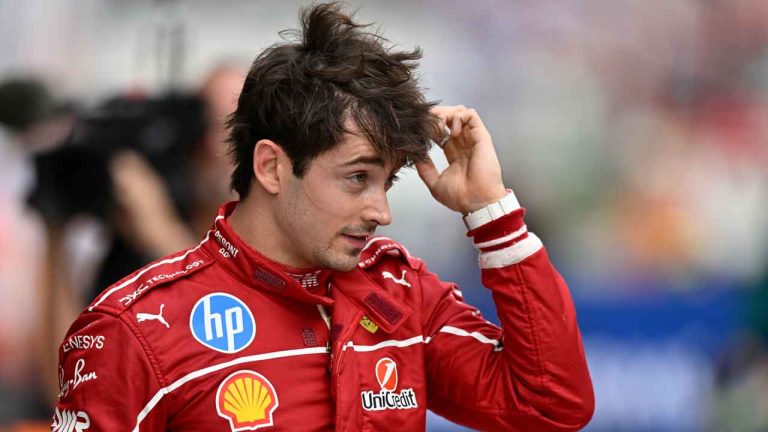
The provocation is earning traction because the evidence is coming from drivers themselves. Charles Leclerc, speaking after qualifying in China, acknowledged that a mistake he expected to cost him time on a hot lap simply did not, because the car's energy deployment logic absorbed the error. In the Ferrari driver's view, the software is covering for its pilot — and not in a way he is comfortable with.
Leclerc has separately described the 2026 deployment algorithms as "silly and confusing", noting that merely coming off throttle can push the car past a hidden threshold and start burning energy at the wrong point on the circuit. In other words, the driver's inputs are no longer the dominant variable; the algorithm is.
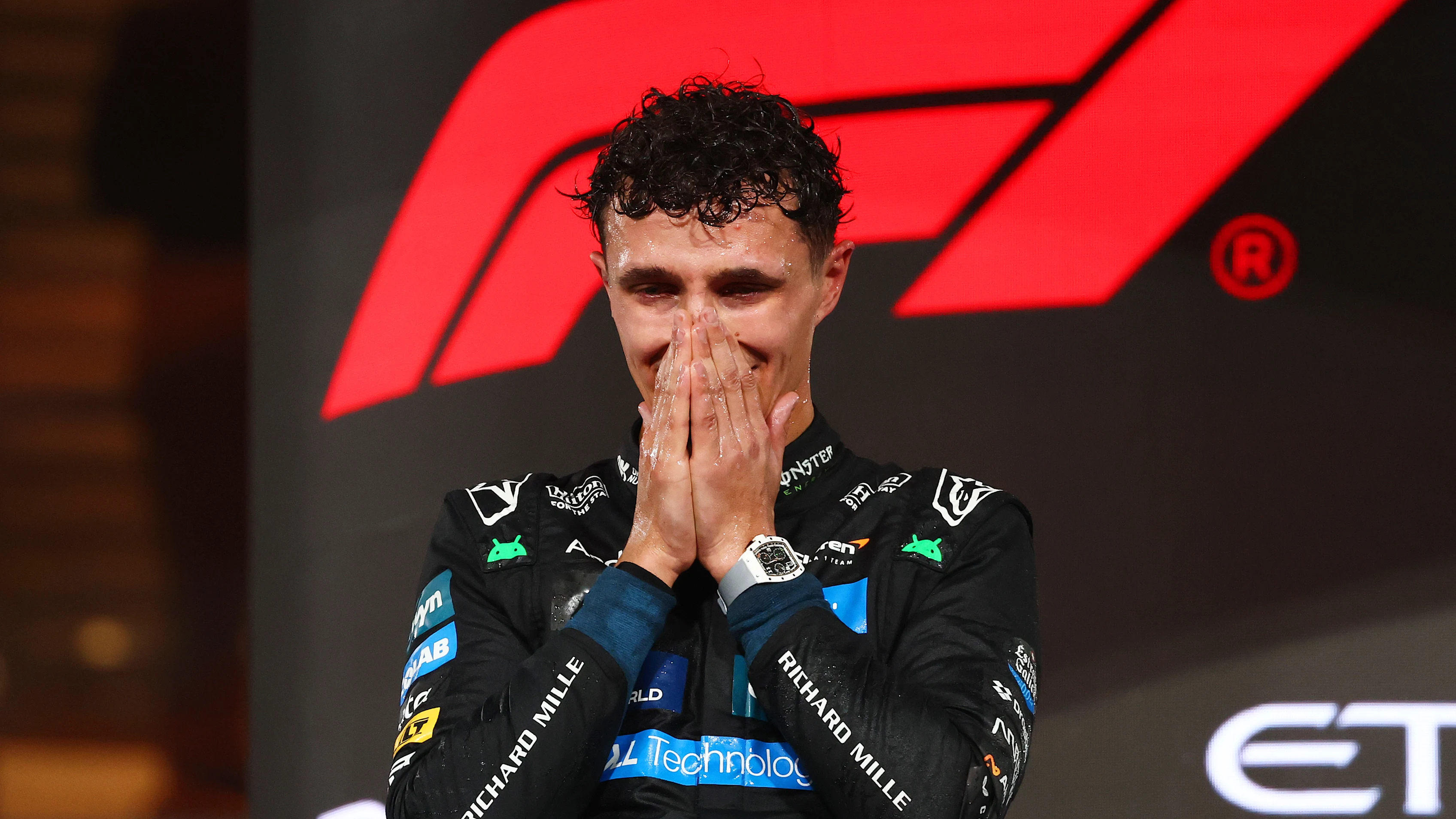
Lando Norris has framed the emotional consequence in characteristically direct language.
"It hurts your soul to hear the engine note die midstraight when the battery runs out."

It is a line about more than sound. It is about who is in charge of the car. In the last generation of F1, the driver on the throttle decided when the engine made its noise. In 2026, the battery-harvest calculation makes that call.
The 2026 package was sold to fans as the most driver-led set of rules in a decade: 50/50 power split, active aero, lighter cars, simpler tyres. Instead, the first month of racing has produced a different headline. Grand Prix Unfiltered argues the Suzuka weekend — in which cars on boost mode closed on energy-saving cars at differentials approaching 50km/h — exposed a reality the rulebook did not intend. Braking late and attacking the throttle on corner exit, the skills that define a Formula 1 driver, are now being arbitrated by code.
The counter-argument exists. Every hybrid category, including F1 since 2014, has used software-managed energy. Fans and drivers lived with it. What has changed in 2026 is not the code — it is how visibly the code now authors the storyline.
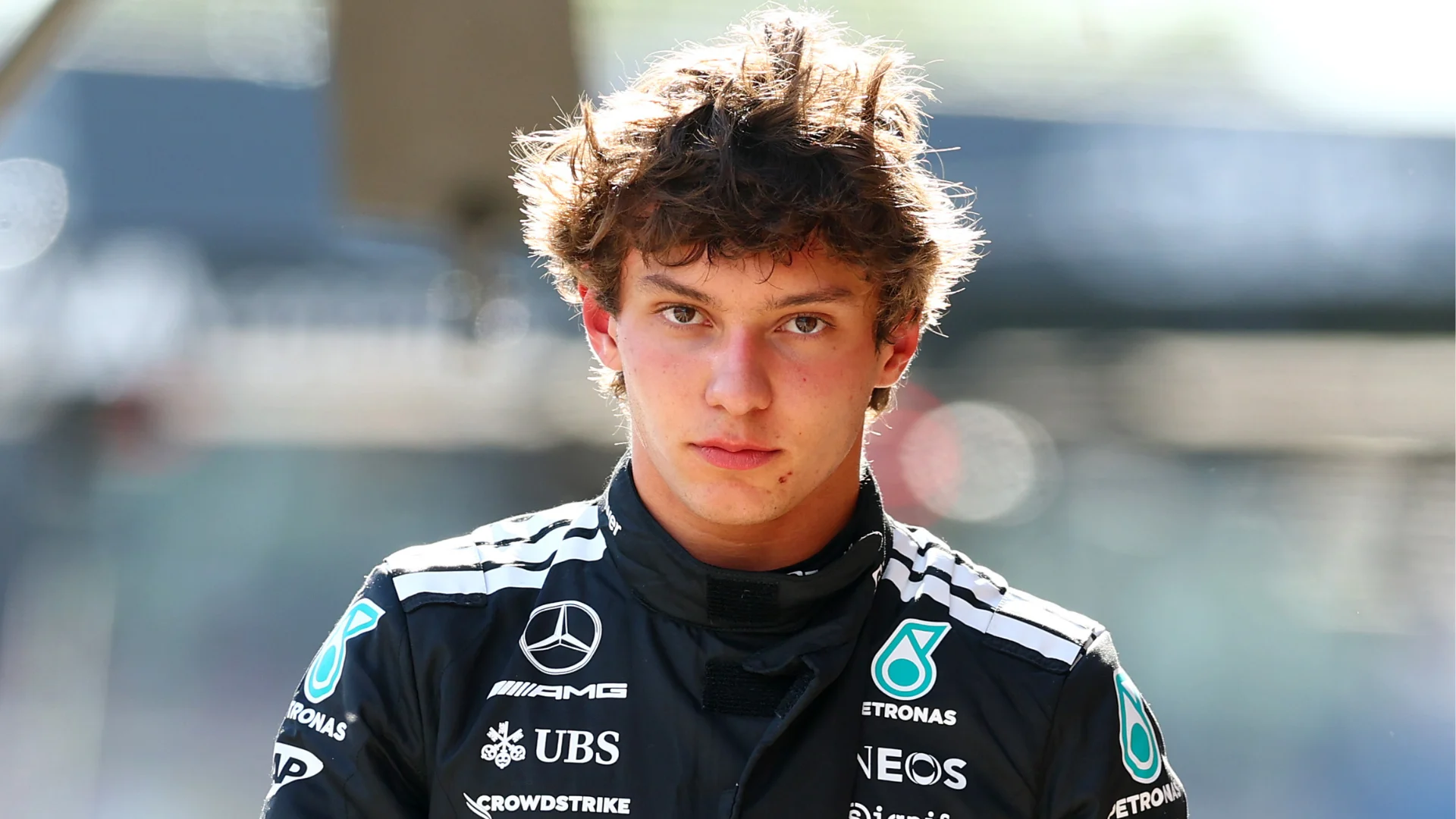
And that visibility is the entire problem. A 19-year-old rookie is leading the championship. A four-time champion has been knocked out in Q2. Drivers say their mistakes are not punished. When the audience can see the algorithm writing the race, the sport's marketing problem is the size of the grid.
Formula 1 has always traded on the notion that the human in the cockpit is the protagonist. The Grand Prix Unfiltered thesis is, in the end, a warning to Liberty Media and the FIA: if spectators conclude the computer is the hero, the product has a credibility issue that no closer racing can paper over.
The FIA's 2026 regulation tweaks, due for a vote before the Miami round, can adjust deployment maps and reduce clipping. Whether they can quiet the 'AI racing' question is a different problem entirely.