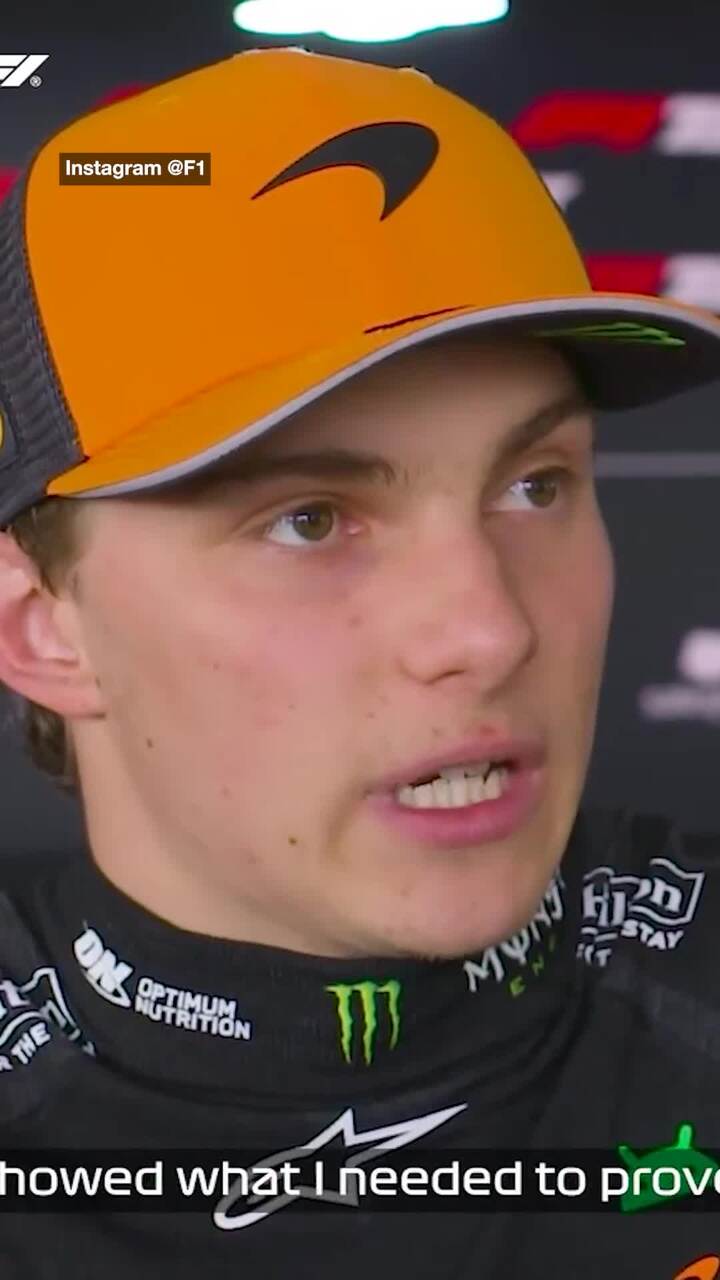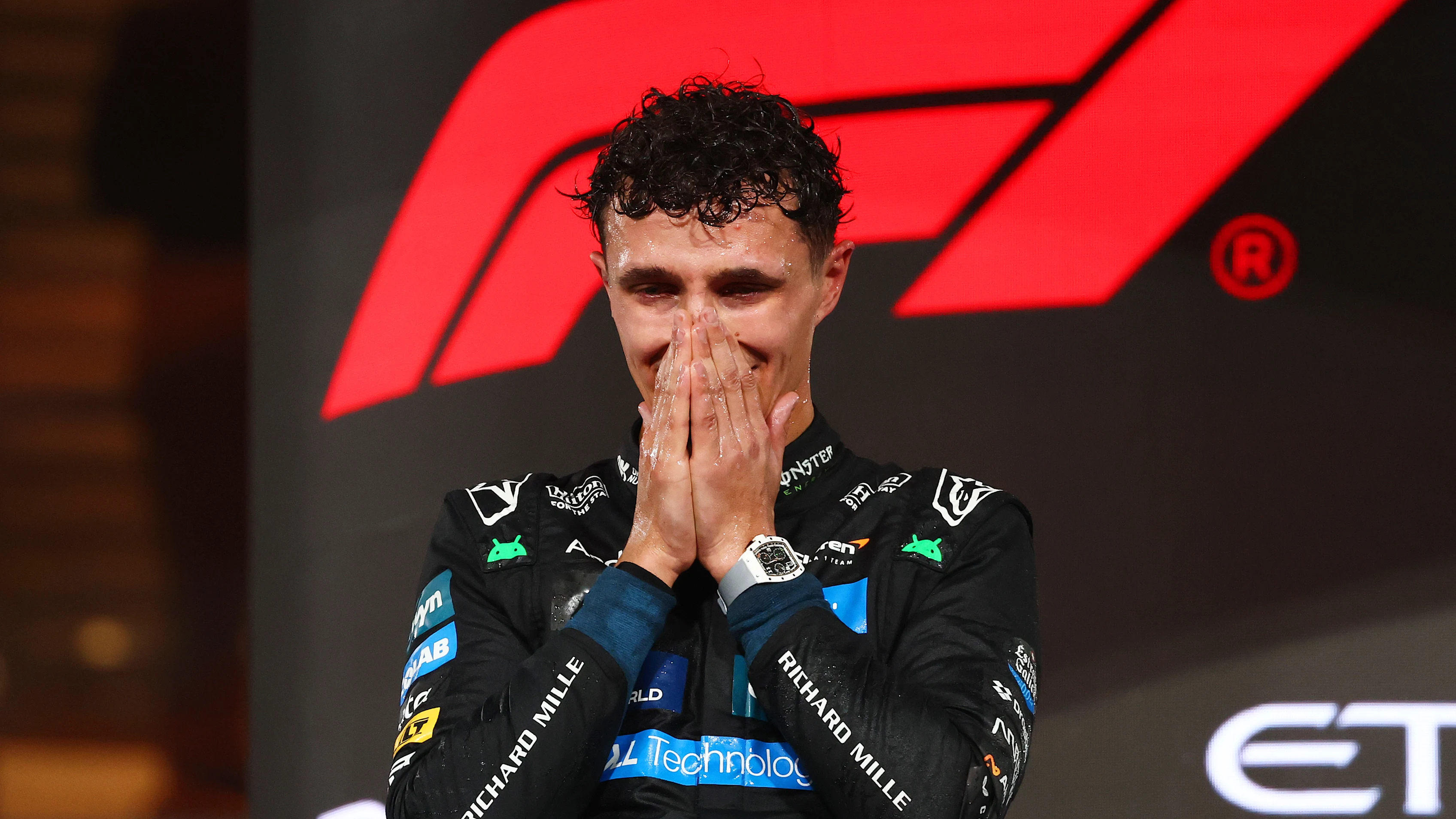
Lando Norris has largely spent 2026 dodging the political commentary that comes with being the defending world champion. Max Verstappen has been the one dominating the headlines. The Williams, Mercedes and Audi drivers have done most of the early-season rule complaining. Norris has, for the most part, been quietly collecting points and letting his car do the talking.
That quietly shifted this week. Speaking after the Japanese Grand Prix, the McLaren driver joined the growing list of grid names publicly unhappy with how the 2026 power unit regulations are producing on-track racing — and he did so in unusually pointed language.
The summary of his position, relayed by Sportskeeda's coverage, was blunt: the 2026 power unit regulations are producing racing that is unsatisfying and a car that the driver does not feel fully in control of. Norris cited a specific incident from the Suzuka race as proof — he overtook Lewis Hamilton without meaning to.
That single example, more than any paddock pundit monologue, captures why the 2026 regulations are increasingly uncomfortable for the sport's public-facing stars. Overtakes are meant to be earned. They are meant to be choices. A McLaren driver passing a Ferrari driver unintentionally, because of how the battery is automatically bleeding power into the rear wheels, is the kind of outcome that would have been unthinkable in any previous era of Formula 1.
The defending champion described the quality of racing under the new regulations as "yo-yoing" — a striking word from a driver who has, until now, largely sidestepped the FIA debate. The implication is clear: cars surge past each other, fall back, and surge past again, not because of drivers attacking or defending, but because of energy-deployment windows opening and closing automatically.
Crucially, Norris's intervention carries different weight to the earlier complaints. George Russell has been critical of the regulations. Max Verstappen has been openly hostile to them since 2023. Those positions can be framed, fairly or unfairly, as teams or drivers speaking their book. Norris, by contrast, is the champion. His McLaren is one of the cars benefiting from the new rule set. If he thinks the racing has been hollowed out, that is not a political position. That is a product verdict.
It also lands on top of reporting that the FIA is privately acknowledging the 50/50 combustion-electric split was the wrong direction. A growing chorus of voices — Stefano Domenicali, senior engineers, team principals — are quietly conceding that small fixes are already needed to the package that was locked in years ago. Those fixes include raising the super-clipping power limit from 250kW to 350kW, adjusting qualifying deployment and softening the clipping behaviour on slow-speed exits.

For McLaren, Norris's comments are an uncomfortable double act. On one hand, the team is winning. On the other, its driver is openly arguing the reason he is winning is not entirely connected to his own ability in the cockpit. The Hamilton overtake moment is particularly sensitive — it is precisely the sort of incident that neutral fans, tuning in from home, would assume reflected racecraft.
What matters next is whether Norris's criticism shifts the political calculation inside the FIA. The governing body can ignore Max Verstappen. It can frame George Russell's comments as Mercedes politicking. It cannot easily wave away the world champion describing its racing product as "yo-yoing" two rounds into the new era.
If the small-fix package being discussed ahead of the Miami Grand Prix does not materialise, expect Norris's remark — and the detail that he passed Hamilton without intending to — to become one of the defining quotes of F1's 2026 political season.