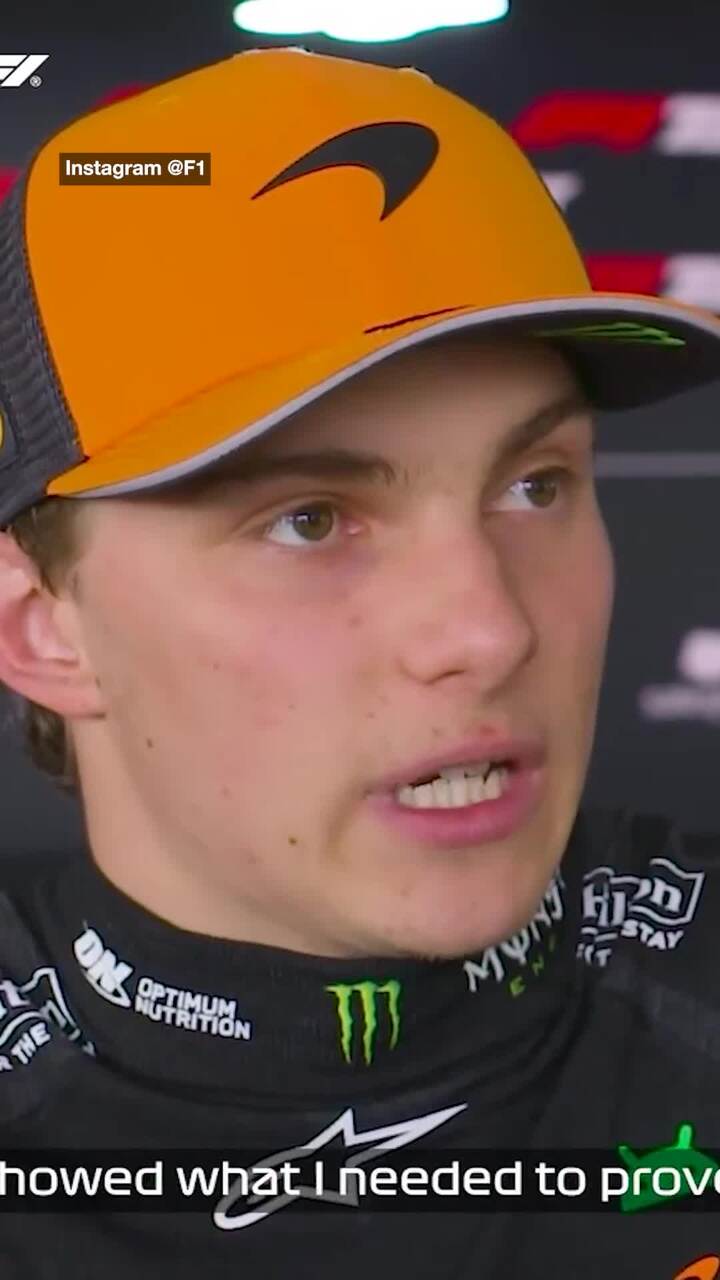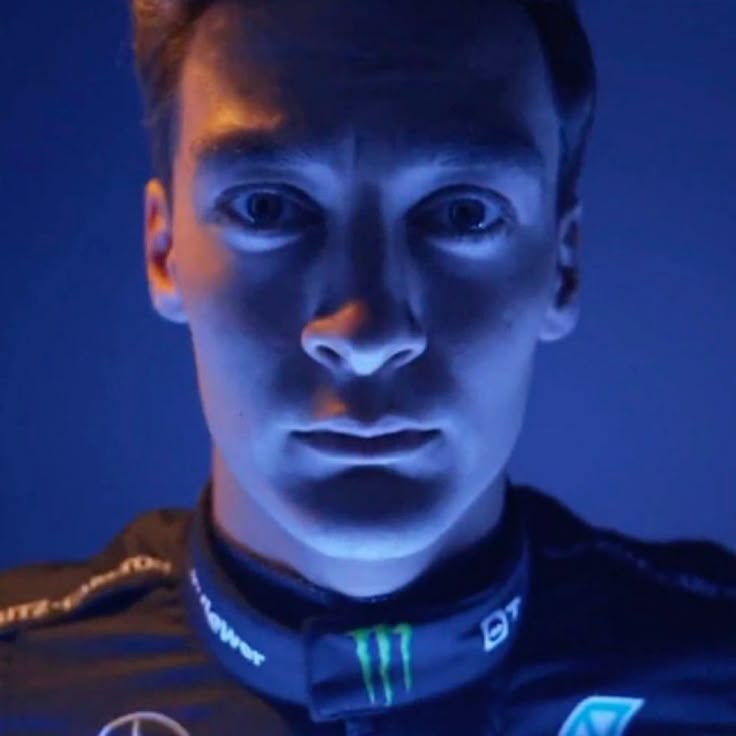
Second on the grid. That is what the Sunday morning newspapers printed next to George Russell's name at Suzuka. What the scoreboard did not show was the hour of panic that Russell — and a very good slice of the Mercedes engineering team — went through in Q1, all because of a rear-of-car adjustment everyone involved had believed would be "transparent."
The story is Russell's, and he told it in plain language.
"It was really odd to be honest," he said. "We made a setup adjust going into qualifying and the car just did not feel the same as it has in the whole weekend. And you saw my first laps in Q1 — I was down in P7, P8. And we had to make a massive adjust during qualifying with the front wing to adapt. So yeah, the team have already had a lot. We don't know whether something incorrect was done or what happened."
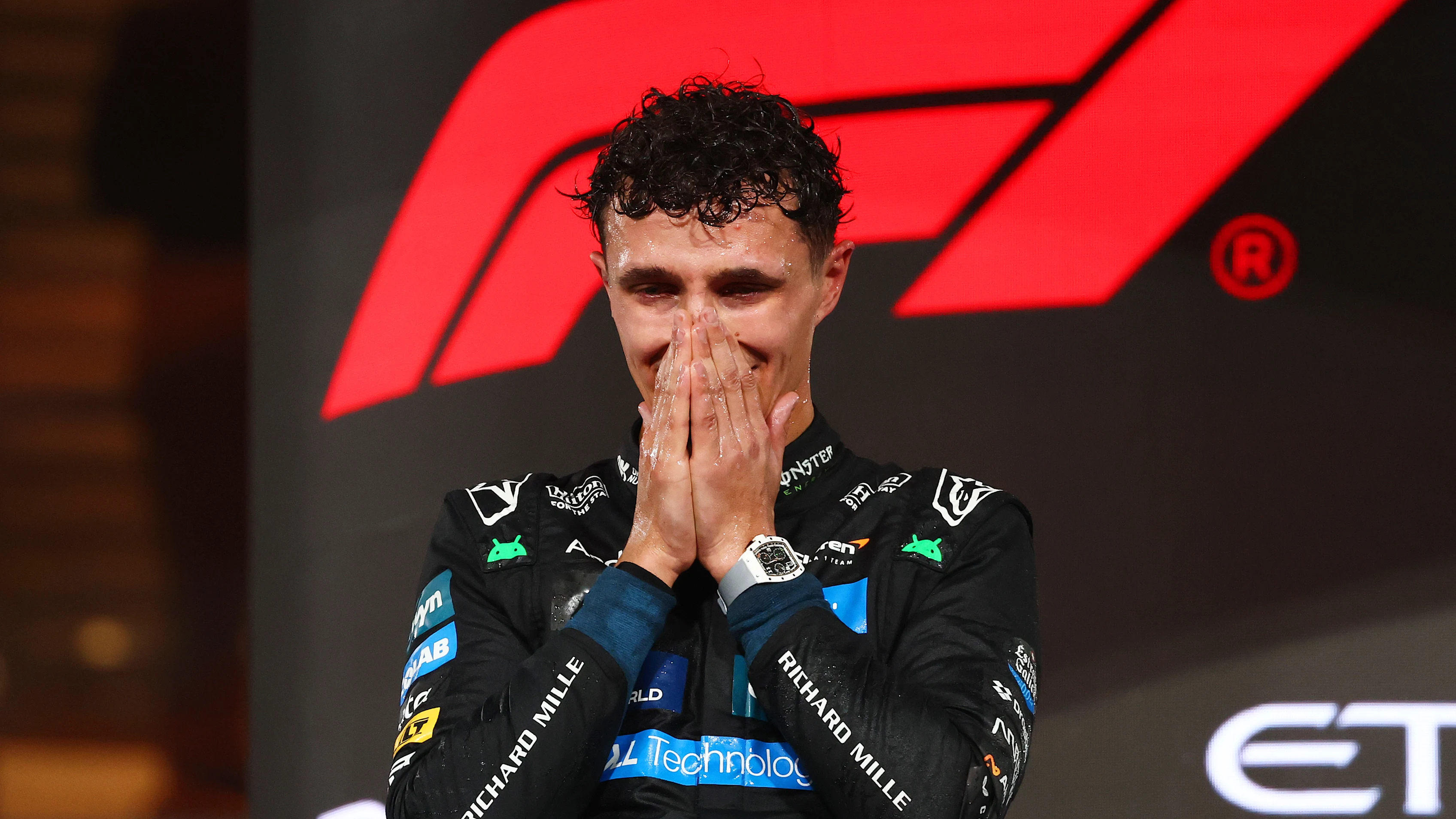
Separately, he went into more detail on exactly how bad the car felt.
"We made an adjustment on the rear of the car in qualifying, but it was like tiny. It was meant to be transparent and I went out and it felt it was so bad," Russell said. "It felt like something simple was broken on the rear. It didn't improve. I just had to adjust my driving style a lot. I had to remove a huge amount of front wing to compensate. It was almost — I was spinning off on the entries of the corner and the last corner I couldn't get round."
The technical framing is important. Russell and his engineer pinpointed the pain to Suzuka's Sector 1 S-curves, a stretch of high-speed direction changes that define a qualifying lap at this circuit.
"We made a mechanical issue to the car on the rear end and it was just mainly through the S's," Russell said. "I couldn't attack any of the corners. The rear was trying to step out on me throughout." He then described, step by step, the workaround.

"No, I just got used to it. I just got used to it. I drove around it," he said. "I could then adjust the front wing to compensate, but the car was just totally out of balance from the entry of the corners to the mid-corner because the rear was moving around on the entry. So I had to drop loads of front wing, then I was getting understeer."
That is a driver describing the process of manufacturing a qualifying lap by driving-style substitution mid-session — a process most drivers will admit, in private, is where the biggest time-loss lives. Russell's front-row start, against that backdrop, looks less like a comfortable Mercedes procession and more like a salvage job.
The admission also has a longer-term implication. Mercedes has been the dominant car of the opening three races of 2026 — two wins, a pole-pole streak for Kimi Antonelli, and a reputation for being almost plug-and-play in its performance envelope. Russell's experience tells a different story about the W17. A tiny rear change flipped its behaviour severely enough that two engineering groups — Russell's own and the wider Brackley team — could not explain in real time what had gone wrong. In 2026, with teams still writing the rulebook on setup sensitivities for the new ground-effect and hybrid package, that level of car volatility is an unwelcome discovery.
Russell, for his part, did not hide his relief at having landed where he did.
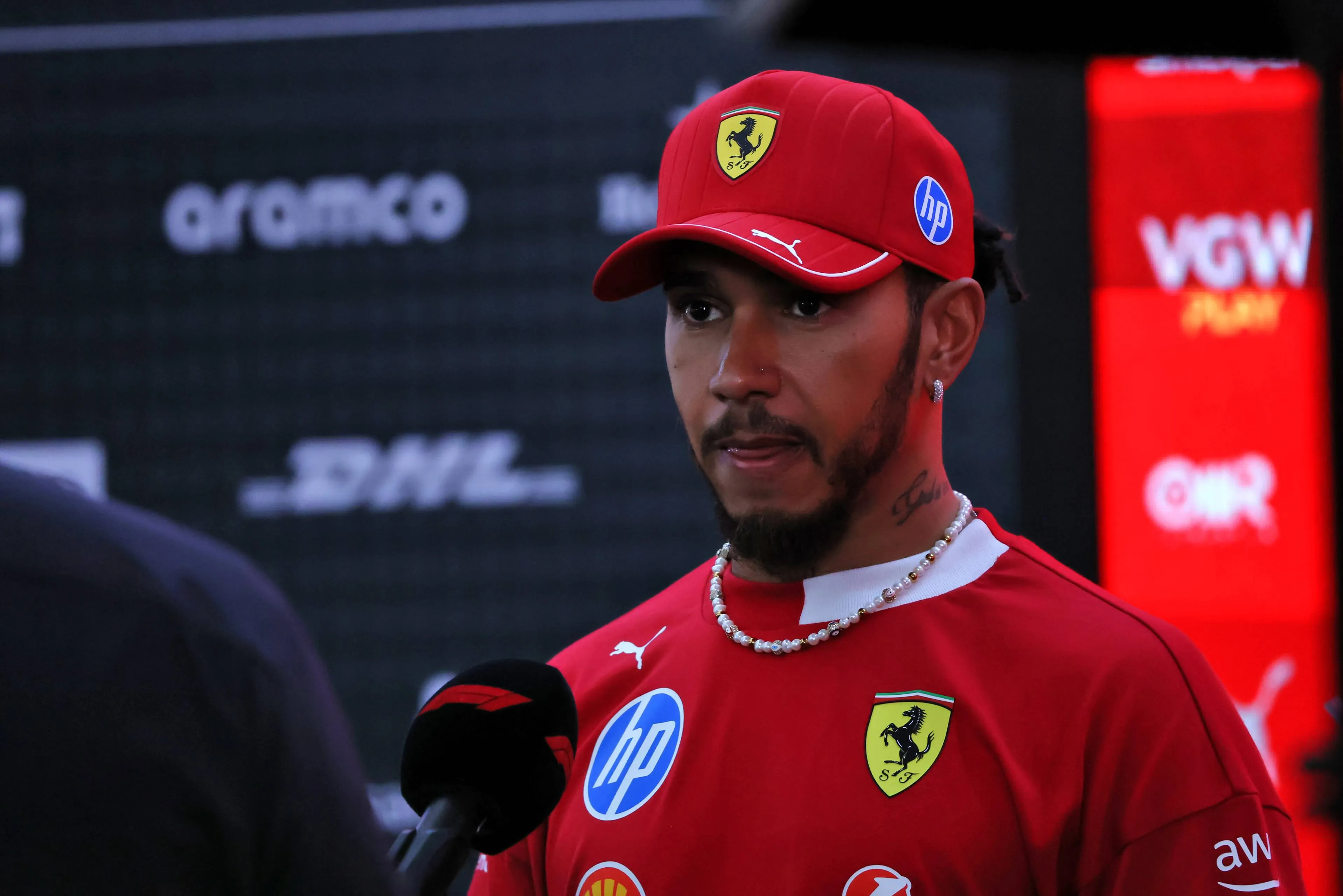
"I'm kind of glad again to be in this position," he said. "Because after Q1 I was like, I'm not sure where we'll end up."
Mercedes will want to know what "something incorrect was done" actually means before Miami. A five-week break helps. In the meantime, the story of Russell's Suzuka weekend is going to be remembered less for the P2 on the grid sheet and more for the Q1 lap he spent staring down an out-of-balance rear end and improvising his way out of it.
The most useful thing he said, for the rest of the pit lane, was the technical plural: "We don't know." In 2026 that phrase, repeated by the driver of the fastest car on the grid, is worth listening to.